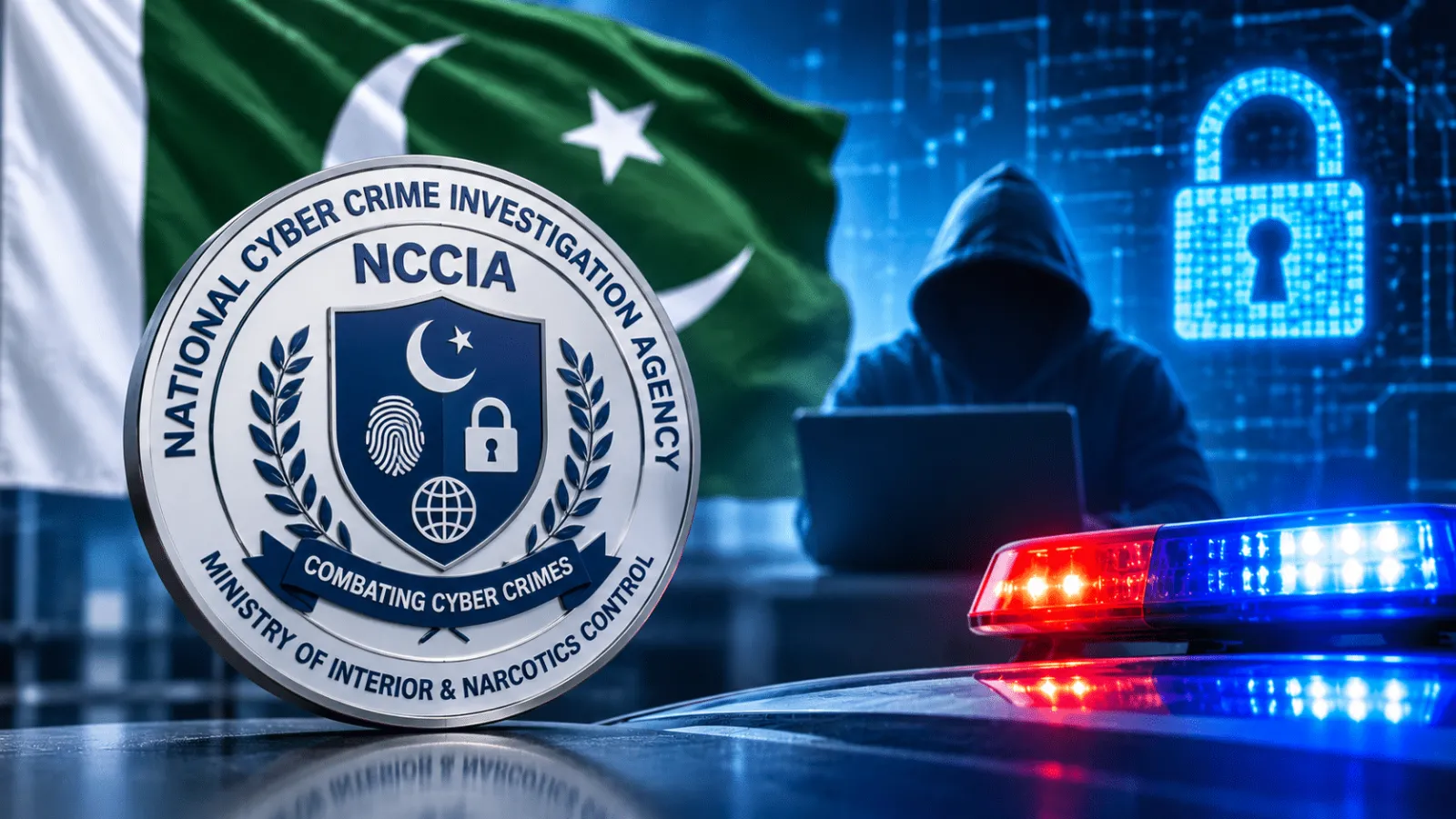
Pakistan Cyber Police Proposal and the Future of NCCIA
The federal government is considering transforming the National Cyber Crime Investigation Agency into a new force called Pakistan Cyber Police. This major structural change aims to upgrade how authorities handle digital offenses across the country. Officials discussed the proposal during a high-level meeting chaired by the prime minister on November 25 to review the performance, administrative structure, and future plans of the agency.
Prime Minister Shehbaz Sharif has formed a special committee to review the proposal thoroughly. When enacted, Pakistan Cyber Police would recruit qualified professionals through a merit-based process to strengthen the country cybercrime investigation capabilities. The potential rebranding marks a serious effort to elevate the status and reach of digital law enforcement.
Background on National Cyber Crime Investigation Agency
Digital security and cybercrime enforcement have evolved rapidly over recent years in response to rising online threats. The National Cyber Crime Investigation Agency operates as a specialized body tasked with tackling digital fraud, online harassment, and electronic crimes. Authorities established dedicated national security systems for cybercrime matters, which have recently become operational as part of broader institutional upgrades.
Despite these steps, managing the volume of digital offenses requires continuous adaptation. Officials have worked on improving the handling of cybercrime cases to ensure swift justice and better protection for citizens and businesses. Transforming the existing framework into a dedicated police force represents the next phase in this ongoing institutional evolution.
Prime Minister Directives on Modernization and Technology
During the November 25 review meeting, Prime Minister Shehbaz Sharif issued clear instructions to accelerate institutional changes. He directed officials to modernize the agency investigation and prevention systems and speed up its restructuring. These upgrades are seen as necessary to keep pace with sophisticated digital criminal networks operating locally and internationally.
The prime minister also ordered the appointment of qualified IT and artificial intelligence specialists at the agency and its subordinate offices. Furthermore, he called for greater use of artificial intelligence and modern technology to improve investigations and address the backlog of pending cases. Bringing in technical experts is intended to bridge skill gaps in complex digital investigations.
Special Committee Members and Deadlines
To evaluate the restructuring proposals, the government formed a special committee tasked with submitting final recommendations. The committee must deliver its report to the prime minister by the end of this week. The rapid timeline indicates a strong sense of urgency within the administration regarding digital security reforms.
The committee includes key federal ministers who bring diverse administrative and legal expertise to the review process. The members are:
- Interior Minister Mohsin Naqvi
- Law Minister Azam Nazeer Tarar
- Finance Minister Muhammad Aurangzeb
- IT Minister Shaza Fatima Khawaja
These ministers will examine the administrative, financial, and legal aspects of renaming and reorganizing the agency into a specialized police force.
What Pakistan Cyber Police Means for National Security
Creating a specialized police force for cyber threats addresses long-standing concerns about resource constraints in digital investigations. Citizens and businesses often face delays due to pending case backlogs and limited technical personnel. A merit-based recruitment process for IT professionals will help build a more capable workforce.
As the special committee finalizes its review, the public and legal sectors await the official recommendations. The transition from the current investigative agency to a structured police force will likely introduce new protocols for reporting and investigating digital crimes across Pakistan.