Lahore Traffic Police Intensify Crackdown on Underage Drivers
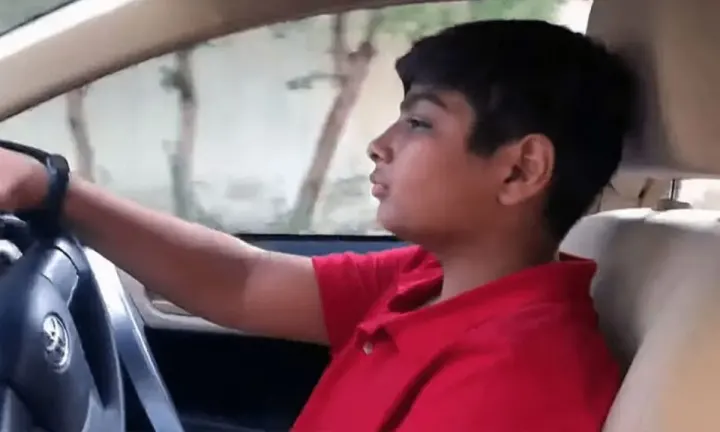
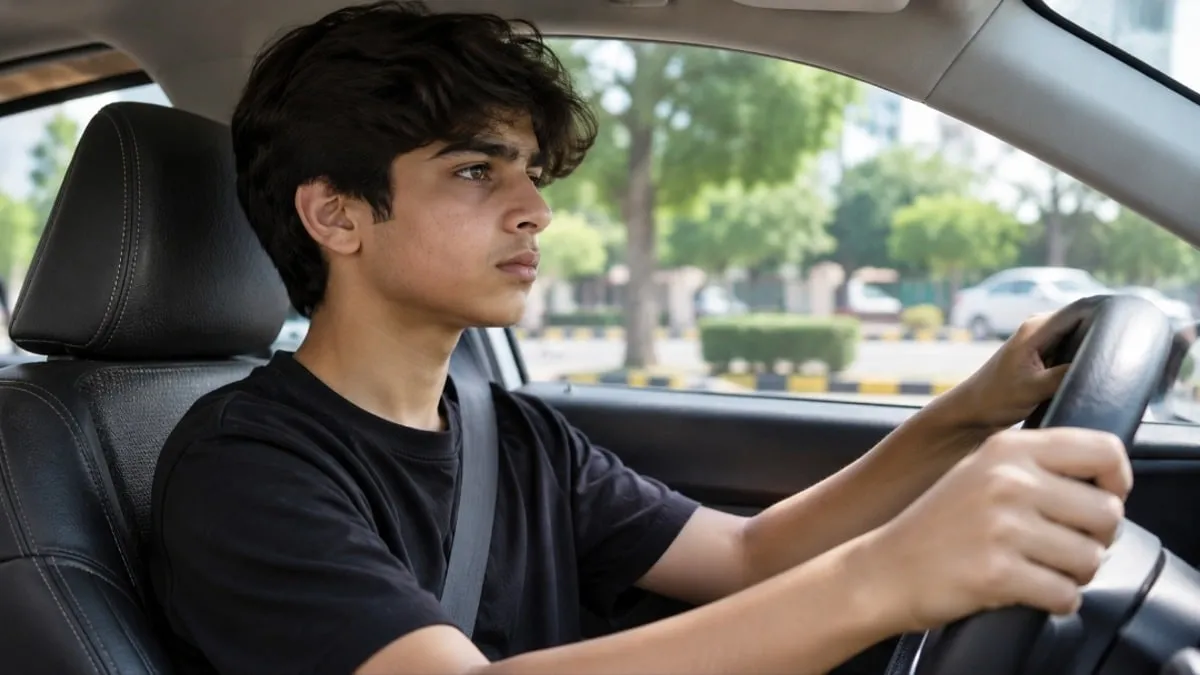
The Lahore traffic police has decided to intensify its crackdown on underage drivers, ordering the impoundment of cars, motorcycles and rickshaws driven by people under the age of 18. This decisive policy shift comes as authorities attempt to curb mounting safety concerns on metropolitan roadways, targeting a persistent demographic of unlicensed operators who frequently navigate busy urban corridors without formal training.
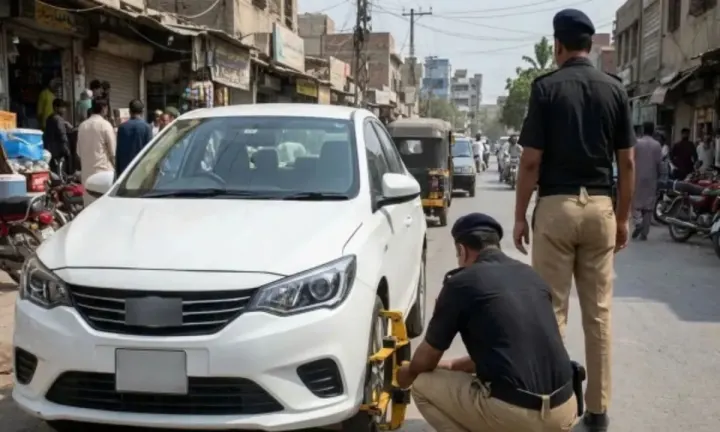
Chief Traffic Officer (CTO) Lahore Syed Abdul Raheem Shirazi has directed traffic officials to set up special checkpoints across the city and conduct strict checks to identify underage drivers. These tactical checkpoints will operate during peak commuting hours and weekend surges to intercept juvenile operators before they can cause collisions or disrupt public order.
What Happens When Underage Drivers Are Caught in Lahore
Under the new instructions, any vehicle driven by someone under 18 will be impounded at the relevant police station. Authorities will release the vehicle only after the driver's parents submit a surety bond, ensuring that guardians assume direct financial and legal responsibility for future compliance.
Both the underage driver and the vehicle owner will also face heavy fines, while repeat offenders will face criminal cases, according to the CTO. This dual penalty structure aims to hold vehicle owners accountable for handing over keys to minors, thereby discouraging parents and employers from letting adolescents use family cars, motorcycles, or commercial rickshaws.
Enforcement Statistics and Juvenile Driving Permits
Shirazi said the traffic police issued 23,440 tickets to underage drivers during the current year. This staggering volume highlights the widespread nature of juvenile driving across Lahore, where teenagers frequently operate motorbikes and automobiles without legal authorization or basic knowledge of road signs.
Meanwhile, authorities have issued 12,219 juvenile driving permits to young people aged 16 to 18. These permits offer a legal pathway for older adolescents to learn proper driving techniques under controlled conditions, bridging the gap between youthful mobility demands and strict adherence to traffic laws.
Background on Road Safety and Licensing in Punjab
Urban traffic management in major metropolitan centers like Lahore faces continuous challenges regarding driver licensing and road discipline. Historically, enforcement campaigns ebbed and flowed, but recent spikes in traffic violations prompted provincial authorities to reevaluate standard operating procedures for juvenile operators. The distinction between unlicensed minor drivers and permitted young adults forms the backbone of current municipal safety frameworks.
Traffic authorities across the region routinely run awareness campaigns in schools and colleges to educate teenagers about the legal age limits for operating motor vehicles. Despite these educational efforts, many minors take to the streets daily, relying on the leniency of their families. The latest directive seeks to remove that leniency by imposing immediate impoundment and mandatory parental bonds.
Understanding the Surety Bond and Penalties Process
The requirement of a surety bond introduces a formal legal guarantee that parents must sign before reclaiming an impounded vehicle. If a minor commits a secondary violation after the bond is posted, legal complications escalate rapidly for the household. This mechanism creates a powerful deterrent within domestic environments, forcing parents to monitor the keys and behavior of their teenage children much more closely.
Fines issued to owners and underage operators scale according to the vehicle type, with commercial rickshaws and cars drawing intense scrutiny at checkpoints. Because rickshaws often carry passengers, the danger posed by an underage driver multiplies, making public transport vehicles a primary focus for the newly established checkpoints across Lahore.
Impact on Families and Commercial Vehicle Owners
Families residing in Lahore must now adjust daily commuting habits, ensuring that teenagers do not take unsupervised trips to school, markets, or social gatherings. Parents who previously relied on underage children to run errands or transport younger siblings must find alternative transport solutions or wait until the driver reaches the legal age of 18 or secures a valid juvenile permit.
Commercial owners of rickshaws and motorcycles face severe business risks if they employ or allow minors to operate their livelihood assets. Because vehicles are impounded immediately upon detection, owners face downtime, financial losses from unpaid fares, and heavy penalties before they can retrieve their property from police custody.
Next Steps and Enforcement Outlook for Lahore Traffic
Traffic police leadership plans to maintain these special checkpoints indefinitely until illegal driving among minors drops significantly. Officers assigned to these checkpoints have clear instructions to check identity documents rigorously, particularly for young-looking motorists operating motorcycles or compact cars.
Citizens wishing to avoid fines and impoundments are encouraged to visit designated licensing centers to secure proper documentation for eligible youths aged 16 to 18. As the crackdown continues, the municipal administration aims to foster a safer environment for pedestrians and law-abiding motorists throughout Lahore.