Lahore Traffic Police Crack Down on Underage Drivers
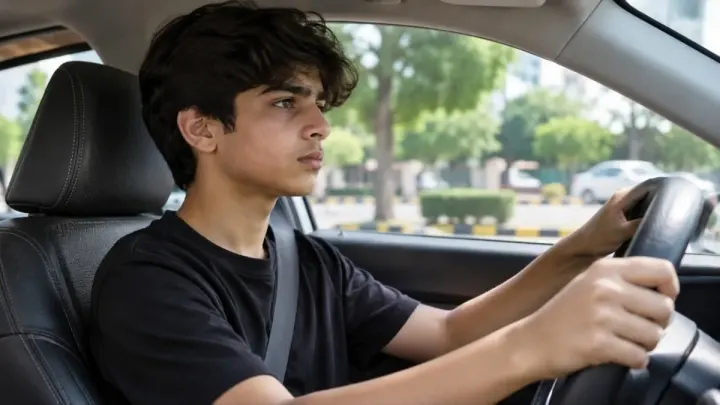
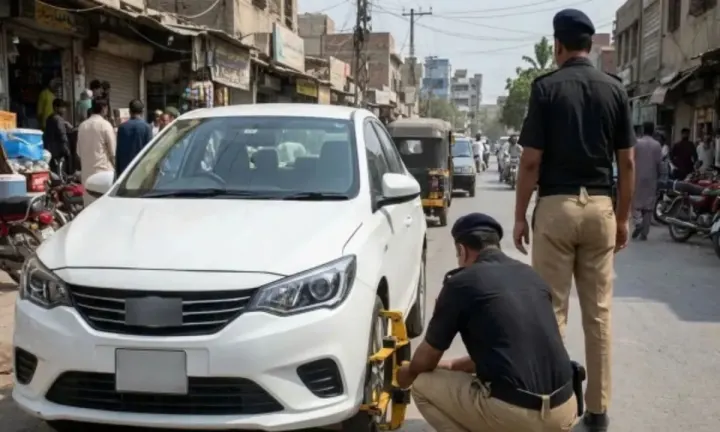
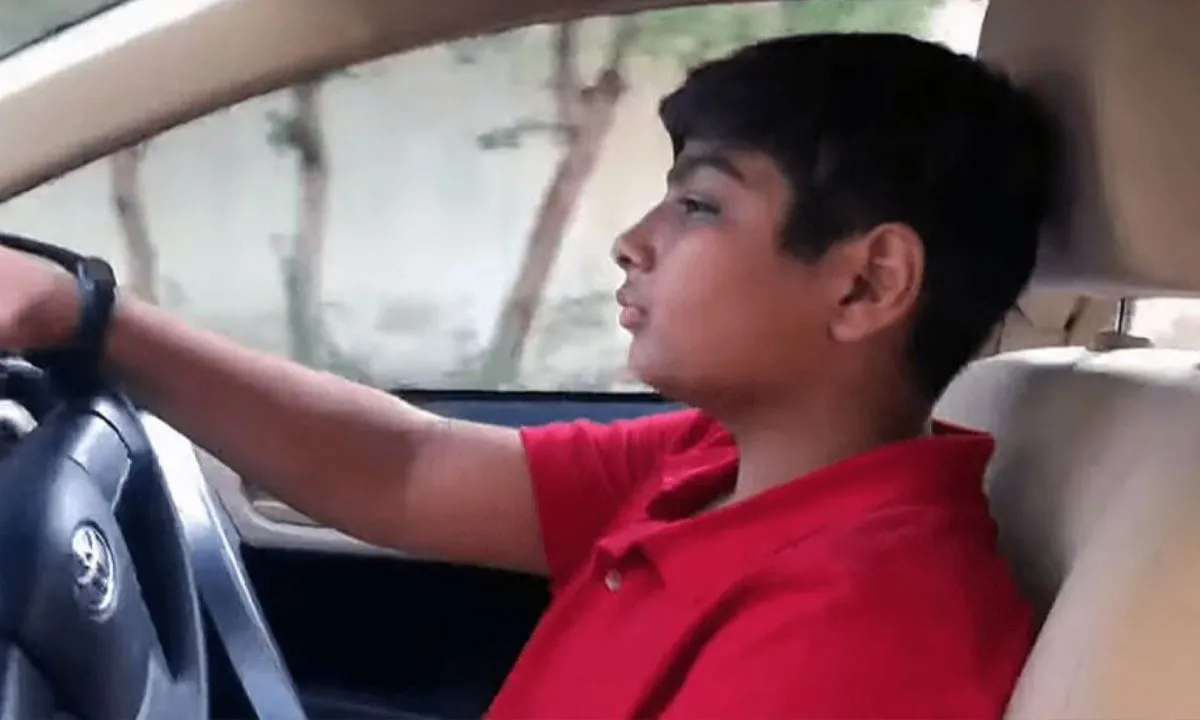
Lahore Traffic Police have begun impounding cars, motorcycles and rickshaws driven by underage drivers across the city, with 23,440 challans issued to minors since the start of the year. The enforcement drive targets a growing public safety concern involving unlicensed youth operating motor vehicles on busy urban roads. Authorities intend to curb reckless driving habits before collisions occur, placing responsibility directly on households and legal guardians.
Chief Traffic Officer Lahore said impounded vehicles will be released only after the parents of the underage driver submit a surety bond. Both the minor and the vehicle owner will face heavy fines for violating traffic regulations. This policy aims to make guardians accountable for the actions of juveniles who take vehicles onto public streets without legal authorization or proper training.
Underage drivers caught repeating the offence will face a criminal case, the CTO said. He urged parents not to allow their children to drive cars or motorcycles, citing road safety and the need to prevent accidents. Law enforcement agencies stress that letting minors behind the wheel endangers not only the drivers themselves but also pedestrians and other motorists sharing the roadway.
Tragic Precedent Behind the New Traffic Rules
Last year, an underage driver lost control of a car in Shahdara area in Lahore and ran over three motorcycles, killing one person and injuring three others. Police reported that reckless driving caused the collision. The violent crash highlighted the lethal consequences of allowing untrained youth to operate high-speed motor vehicles in congested neighborhoods.
The driver, identified as Hashir, was arrested and charged following the fatal collision. The case was registered on the complaint of Muhammad Amin, 30, the brother of the deceased. Legal proceedings in that matter underscored the severe risks posed by juvenile drivers and initiated wider public scrutiny regarding parental negligence.
Punjab Inspector General of Police Dr. Usman Anwar took notice of the incident and expressed strong disapproval of traffic violations by underage drivers. His intervention prompted provincial law enforcement to step up monitoring and adopt stricter measures against those who permit minors to drive. Police units across the city received directives to halt youth driving and enforce existing traffic laws without exception.
Understanding the Surety Bond Requirement
A surety bond functions as a financial guarantee provided by parents or guardians to ensure compliance with legal standards and future adherence to traffic laws. When police impound a vehicle operated by a minor, the owner cannot simply pay a standard fee to retrieve it. The inclusion of a surety bond adds a legal deterrent, as guardians formally commit to preventing further violations by the minor.
Failsafes of this nature are designed to enforce parental oversight in a jurisdiction where juvenile driving has historically caused severe accidents. By tying the release of property to a formal legal document, authorities hope to deter families from handing over keys to teenagers. The dual penalty of heavy fines for both the minor and the vehicle owner reinforces this deterrent.
The process requires parents to visit designated traffic offices, complete documentation, and settle outstanding fines before the impounded transport is returned. Repeat offenses escalate the legal consequences significantly, transforming administrative traffic penalties into criminal charges. This structured approach separates first-time infractions from habitual dangerous driving.
Broader Road Safety Initiatives in Lahore
The crackdown on youth driving forms part of a wider administrative effort to regulate traffic discipline in Lahore. City roads frequently experience heavy congestion, making adherence to lane discipline, speed limits, and licensing requirements essential for public security. Unlicensed drivers typically lack the hazard perception skills needed to navigate dense traffic safely.
Traffic police checkpoints have increased across major thoroughfares to spot check operators and verify driver documentation. Officers look specifically for teenage drivers who display erratic behavior or attempt to bypass checkpoints. Public awareness campaigns run alongside these enforcement actions to educate communities about the legal age limits for obtaining a driving license.
Community leaders and educational institutions often support these police measures by warning students against unauthorized driving. Law enforcement officials maintain that long-term reduction in road fatalities depends heavily on changing domestic attitudes toward youth driving privileges. Police divisions continue to compile data on stopped vehicles to measure the ongoing impact of the surety bond policy.
Legal Penalties and Enforcement Procedures
Operating a motor vehicle without a valid license is a direct violation of provincial motor vehicle ordinances. When traffic personnel intercept an underage driver, officers issue a formal challan and arrange for the towing or driving of the vehicle to a designated police station. The administrative impoundment remains in effect until all release conditions are fully satisfied.
Vehicle owners who lend their cars or motorcycles to minors share legal liability alongside the underage operator. This rule prevents adults from evading responsibility by claiming the minor took the vehicle without explicit permission. Fines are calculated based on the specific traffic violations recorded during the stop, such as speeding, reckless maneuvers, or running signals.
Courts and police stations coordinate to process surety bonds efficiently while ensuring all background checks on the impounded property are clear. If a minor commits a secondary infraction after the initial release of the vehicle, prosecutors initiate formal criminal proceedings against the offender. This escalates the matter from a minor traffic infraction to a criminal court case with potential judicial sentencing.