Why Nvidia Reportedly Canceled the 24 GB GeForce RTX 5080
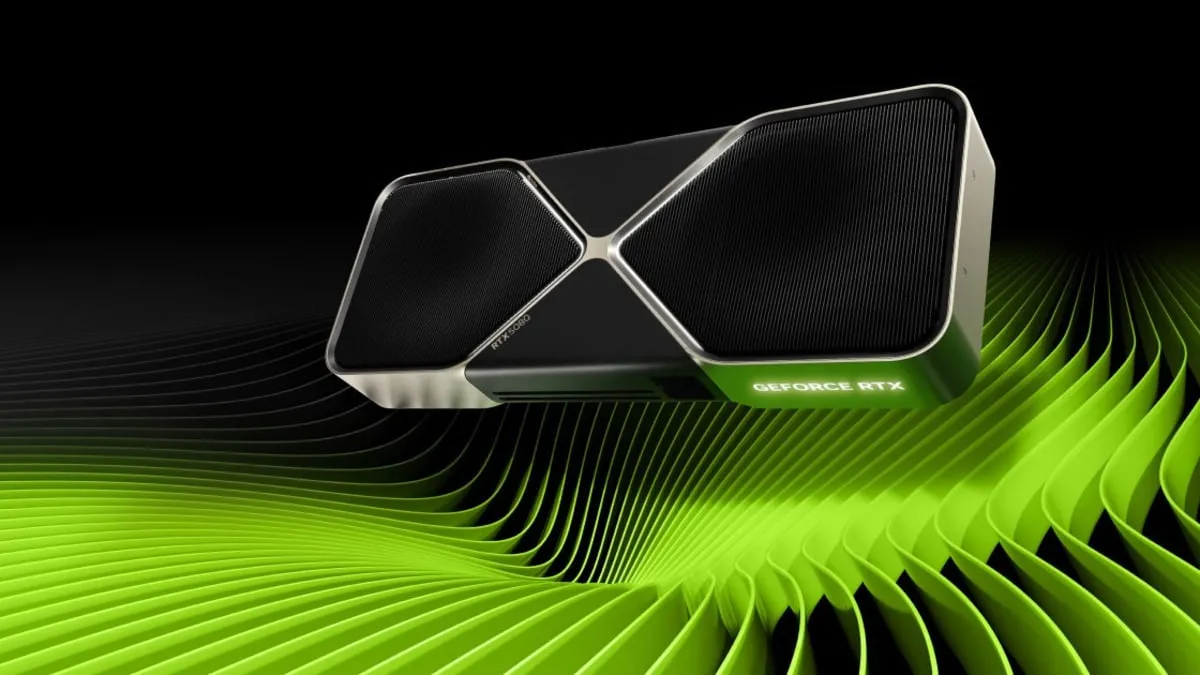
Nvidia has reportedly canceled the January 2027 launch of its 24 GB GeForce RTX 5080 in China because the memory chips were too expensive. The company is expected to keep producing the existing 16 GB model, which the new card was rumored to replace. Industry analysts and supply chain observers have closely monitored component pricing as next-generation hardware development intersects with rising manufacturing costs. The graphics card market relies heavily on a delicate balance between semiconductor availability, memory module production yields, and end-user pricing thresholds. When component costs rise disproportionately, hardware designers face difficult choices regarding product viability, profit margins, and market positioning.
The hardware sector often experiences friction when adopting new memory standards. In this case, the transition to high-capacity GDDR7 modules presented unforeseen financial hurdles that altered product roadmaps. While enthusiasts eagerly anticipate larger frame buffers and higher memory bandwidth, economic realities occasionally force manufacturers to halt production plans before components reach consumers. Understanding the background of these decisions requires examining how memory chip capacities directly influence the final retail price of high-end graphics processors.
What Killed the Upgrade and Drove Up Memory Costs?
The 24 GB card would have used the same graphics processor as the existing RTX 5080, with eight 3 GB GDDR7 memory chips in place of eight 2 GB chips. Gazlog reported that each 3 GB chip costs about three times as much as a 2 GB chip. This massive disparity in component cost stems from the manufacturing complexity involved in producing denser memory dies with high data transfer rates. Yield rates for newer, higher-capacity semiconductor components are traditionally lower during early production cycles, which drives up the price per individual unit.
Gizmochina cited an estimate that put the 24 GB model at around $2,000, roughly double the 16 GB Founders Edition's $999 US launch price. Nvidia never announced a price for the 24 GB card officially, leaving market watchers to rely on supply chain leaks and cost estimations. Doubling the retail price for a capacity upgrade while retaining the core graphics processor would have positioned the product in an awkward pricing tier, competing directly with much more powerful hardware flagships.
How the China Launch Fell Apart Behind the Scenes
Earlier reports pointed to a China launch as soon as December 2026. Gazlog said Nvidia's board partners were due to receive the documents they needed to design and test their own circuit boards and cooling systems in October, but the material had yet to arrive by the end of the month. Board partners rely heavily on these preliminary technical specifications to engineer custom cooling solutions, power delivery networks, and physical dimensions for their retail graphics cards.
Chinese supply-chain forum Board Channels later reported that Nvidia told its partners it had dropped the January launch plan and gave them no new date. The report concerns the China launch, and Nvidia has yet to publicly confirm the cancellation. Without official documentation or engineering blueprints, third-party manufacturers halted their preparation efforts, signaling a clear retreat from the initial deployment schedule.
Market Impact and Existing 16 GB Inventory Realities
Nvidia's US marketplace shows the $999 Founders Edition as out of stock, while partner versions are listed at roughly $1,800 to $2,500. The 16 GB card remains in Nvidia's lineup and is expected to stay in production despite the turbulence surrounding the larger memory variant. Consumers seeking high-end graphics performance must contend with persistent inventory shortages and inflated pricing from third-party vendors who adjust rates based on local demand and import expenses.
The reliance on the 16 GB configuration ensures that manufacturing lines will not go idle, preserving a steady supply of current-generation hardware for regional markets. However, the absence of a mid-cycle refresh with higher memory capacity leaves a noticeable gap for professional users and gamers who require larger frame buffers for local rendering workloads, video editing, and complex simulation tasks.
Could Existing RTX 5080 Cards Reach $3,000 at Retail?
Separately, MSI reportedly plans to raise distributor prices for some RTX 5080 cards in China by 1,300 to 8,000 yuan, or about $195 to $1,200. Wccftech estimates that some RTX 5080 cards could reach $3,000 at retail. That figure is a projection based on the reported increases, reflecting broader economic pressures within regional distribution channels and rising shipping expenses.
Distributors passing down price adjustments to regional retailers create a cascading effect that ultimately reaches the end consumer. As component shortages and high production overhead affect the wider semiconductor ecosystem, graphics card pricing remains volatile. Buyers navigating the retail space face a complex pricing environment where advertised MSRP figures often bear little resemblance to actual storefront availability.