Punjab Allocates Rs. 5.57 Billion for Hospital and Road Infrastructure in Murree
Murree is a key beneficiary of Punjab's new development package, receiving Rs. 5.57 billion for two projects.
A 50-bed hospital in Bhurban has been approved at Rs. 1.507 billion, while Rs. 4.063 billion has been allocated for improving Jhika Gali Chowk in Murree.
The twin projects aim to strengthen both healthcare and road infrastructure in the hill station, a major tourist destination, ahead of peak travel seasons.
Background on Murree Development Initiatives
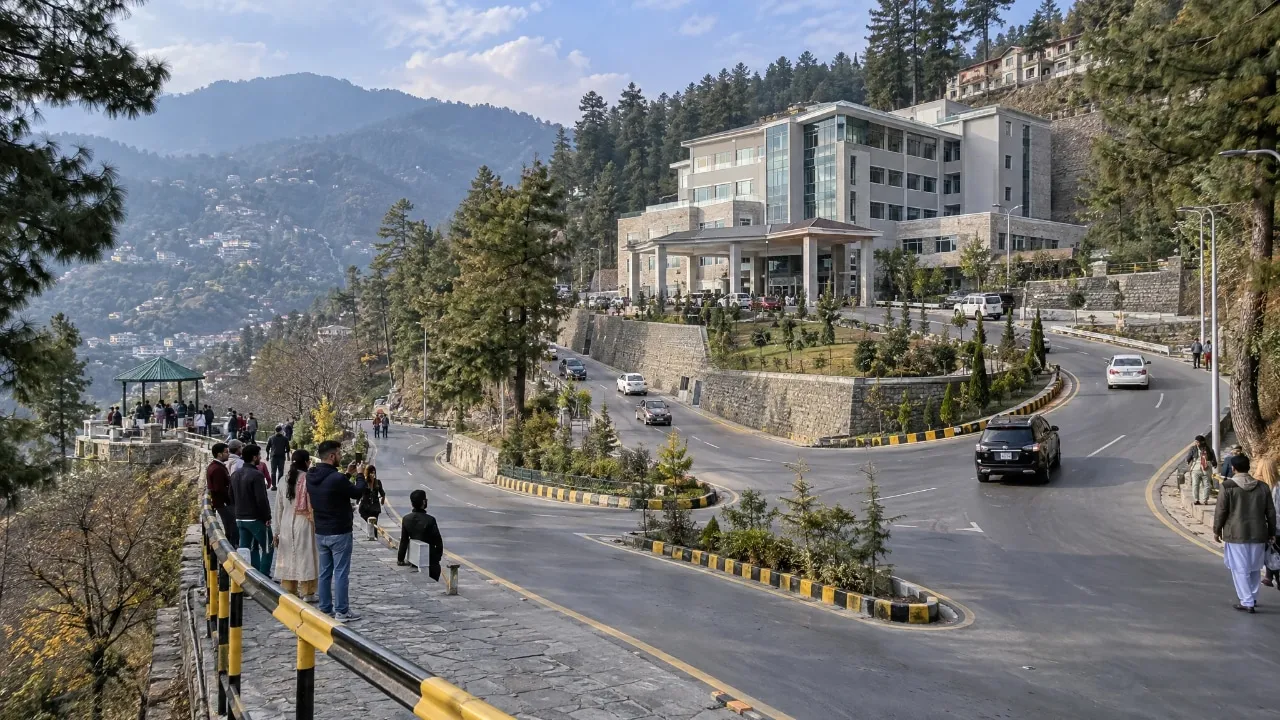
The hill station of Murree serves as one of the most visited tourist hubs in Pakistan, drawing millions of visitors annually from across the country. Local infrastructure historically faces immense strain during peak travel seasons, leading to heavy traffic congestion and stretched public services. Provincial authorities have repeatedly sought ways to upgrade the region's capacity to handle both residents and tourists safely and efficiently. Previous administrative changes and tourism policies have highlighted the urgent need for better connectivity and emergency medical facilities in the mountainous terrain. This new financial allocation represents a direct response to these long-standing infrastructural challenges.
Details of the Bhurban Hospital Project
Healthcare access in remote and hilly areas often suffers due to geographical barriers and long distances to major urban medical centers. The approved 50-bed hospital in Bhurban addresses this gap by bringing essential medical services directly to the local community and visiting travelers. With a budget of Rs. 1.507 billion, the facility will provide emergency care, routine treatments, and inpatient services. Medical professionals and local residents have long advocated for a dedicated healthcare facility in Bhurban to reduce travel times during medical emergencies. The hospital construction is expected to ease the patient load on existing medical facilities in central Murree.
Upgrading Jhika Gali Chowk
Traffic management remains a primary concern for local administrators, particularly at major transit nodes like Jhika Gali Chowk. The allocation of Rs. 4.063 billion for improving Jhika Gali Chowk targets severe bottlenecks that frequently paralyze traffic flow in the area. Upgrades to this junction will involve structural redesigns, road widening, and modern traffic management systems to handle higher vehicle volumes. Improved traffic flow at Jhika Gali Chowk will directly benefit tourists traveling toward deeper resort areas and local residents commuting daily. Better road infrastructure reduces travel times and minimizes the risk of accidents caused by severe congestion on steep slopes.
Impact on Local Tourism and Regional Economy
Tourism forms the backbone of the regional economy in Murree, supporting thousands of local businesses, hoteliers, and transport operators. Inadequate infrastructure often discourages visitors during peak travel seasons, resulting in lost revenue for the community. By investing heavily in road networks and healthcare, the provincial government aims to create a more reliable and welcoming environment for travelers. Business owners in Murree anticipate that smoother transit routes and better emergency services will encourage longer tourist stays throughout the year. The economic benefits will extend to surrounding areas that rely on steady visitor inflows for their livelihoods.
What Comes Next for the Projects
Following the formal financial allocation, the projects will move into the procurement and engineering phases. Local administrative bodies will oversee contractor selection, architectural finalization, and timeline adherence for both the Bhurban hospital and the Jhika Gali Chowk expansion. Residents and visitors should monitor official updates regarding construction schedules and temporary traffic diversions around Jhika Gali Chowk. Provincial monitors will track expenditure transparency and construction milestones to ensure timely completion ahead of upcoming tourist surges. Further announcements from provincial departments will clarify operational launch dates once physical construction begins.





