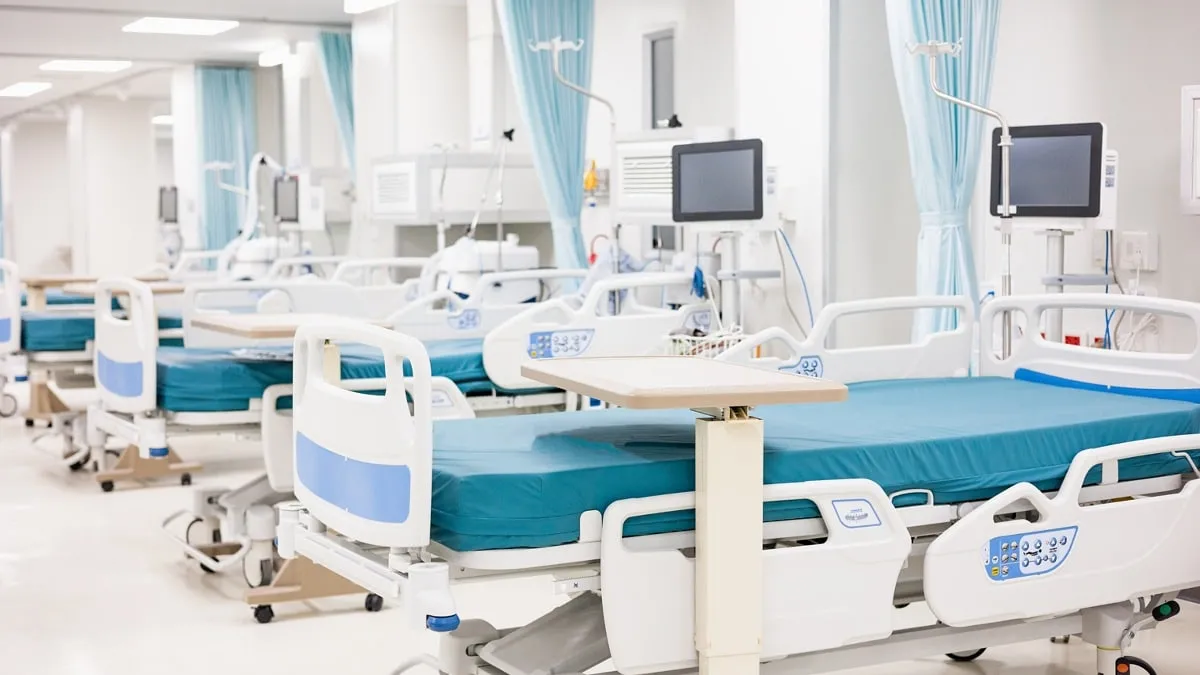
Sindh province has approved a combined investment of Rs 18.5 billion for two flagship health projects: a Rs 5 billion oncology complex at the Mehrunisa Medical Centre of the Sindh Institute of Urology and Transplantation (SIUT) in Karachi, and a Rs 13.501 billion, 200-bed Urology and Nephrology Hospital in Larkana.
The cabinet's decision, announced in early 2024, marks the largest single-year health-sector outlay in the province's recent history and signals a strategic push to expand specialised care outside the capital.
What the New Oncology Complex Includes
The Rs 5 billion oncology complex will be built within the existing Mehrunisa Medical Centre campus in Karachi. The main building is already completed; the next phase focuses on interior finishing and the installation of advanced radiotherapy equipment.
Key pieces of specialist equipment include a MR LINAC (magnetic resonance linear accelerator) and a conventional LINAC machine. Both technologies enable high-precision radiation treatment for cancer patients, reducing damage to surrounding healthy tissue.
How the Funding Is Structured
Under a 70:30 cost-sharing arrangement with SIUT, the Sindh government will contribute Rs 3.5 billion toward the oncology complex, while SIUT will cover the remaining 30 percent. This model mirrors previous collaborations between the province and SIUT, where the institute has leveraged its own fundraising and donor networks to supplement government funding.
Details of the Larkana Urology and Nephrology Hospital
The second project is a 200-bed specialist hospital in Larkana focused on urology and nephrology. The contract value is Rs 13.501 billion, spread over three fiscal years:
- Rs 1.5 billion for the 2026-27 budget
- Rs 5 billion for the 2027-28 budget
- Rs 3.5 billion for the 2028-29 budget
The province expects the facility to be completed and commissioned within 24 months of the start of construction, providing a dedicated centre for kidney disease, dialysis, and urinary-tract surgery in the southern Sindh region.
Why These Projects Matter for Sindh's Health Landscape
Both Karachi and Larkana have historically faced gaps in specialised medical services. Karachi, while home to several private oncology centres, still relies heavily on public hospitals for low-income patients. The new complex will expand capacity, reduce waiting times, and bring state-of-the-art radiotherapy to a broader population.
Larkana, located about 400 km north of Karachi, has limited access to advanced urology and nephrology care. Residents often travel to Karachi or Lahore for treatment, incurring high costs and delays. A 200-bed hospital in the city will localise care, create jobs, and potentially reduce the province's long-term dialysis expenditures.
Implementation Timeline and Oversight
The oncology complex's construction phase is already underway, with equipment installation slated for the second half of 2024. The provincial health department will monitor progress through monthly reports submitted to the cabinet committee on health infrastructure.
The Larkana hospital's contract was awarded to a consortium of local construction firms with experience in large-scale health projects. Groundbreaking is scheduled for early 2025, after the first tranche of funding (Rs 1.5 billion) is released. The 24-month completion window aligns with the fiscal allocations for 2026-27 through 2028-29, ensuring that each year's budget supports a defined construction milestone.
Potential Challenges and Mitigation Measures
Large capital projects in Pakistan often encounter delays due to procurement bottlenecks, land acquisition issues, and fluctuating material costs. To mitigate these risks, the Sindh government has mandated transparent tendering processes and set up a dedicated project management office within the health department.
For the oncology complex, the presence of an already-completed main building reduces the risk of major structural setbacks. The primary focus now is on equipment procurement, which the province is handling through direct negotiations with internationally recognised manufacturers.
In Larkana, the phased funding schedule is intended to keep cash flow aligned with construction progress, reducing the likelihood of work stoppages caused by budgetary shortfalls.
What Residents Should Expect
Patients in Karachi can anticipate shorter appointment queues for radiotherapy once the MR LINAC and LINAC machines become operational. The province has promised that treatment fees will remain subsidised for low-income families, consistent with SIUT's existing fee-waiver policy.
In Larkana, the new hospital will initially offer inpatient and outpatient services for kidney disease, dialysis, and urological surgeries. Over time, the facility is expected to expand into research and training, partnering with SIUT and other academic institutions.
Next Steps and How to Follow Progress
The health ministry will release quarterly updates on both projects via its official website and press briefings. Stakeholders, including patient advocacy groups and medical professionals, are encouraged to attend the scheduled public hearings, which will be announced in the provincial gazette.
Future milestones to watch include:
- Installation of MR LINAC and LINAC machines (expected Q4 2024)
- Groundbreaking ceremony for the Larkana hospital (expected Q1 2025)
- First patient admissions at the oncology complex (expected early 2025)
- Commissioning of the Larkana hospital (expected late 2026)
These dates will provide clear checkpoints for accountability and allow the public to gauge whether the projects stay on schedule and within budget.





