How Two Mothers Uncovered the Sodium Valproate Crisis
A school teacher and mother of six named Emma Murphy experienced deep confusion when her son failed to reach standard developmental milestones, only to face misplaced blame from medical professionals. When she voiced her worries, experts brushed Emma's worst fears aside and dismissed her as a bored, hysterical housewife. Decades earlier, when she was just 12 years old, Emma from Ashton under Lyme had been prescribed a ground breaking new drug called Sodium Valproate to manage her epilepsy. What she did not know then was that the scientists creating it were acutely aware that it had devastating side effects in pregnant women. But it would be years before a small but determined group of furious mums would discover this horrifying fact for themselves.
Emma, now 45, had no idea that all but one of her children were among more than 20,000 born in the UK with a crippling string of severe physical and developmental disabilities, including cerebral palsy, spina bifida, heart problems, autism, cleft palate, limb defects, and reduced IQ. Every mother should have been warned not to take the medication during pregnancy, but the boxes and leaflets did not mention any risks. Emma recalled that a health visitor came round and said she needed to go on a parenting course, which felt like the biggest insult and made her feel as though she was failing as a mum.
The Accidental Partnership That Sparked a National Investigation
At the same time, Emma received a phone call from her sister, who said a woman was on television talking about her medicine. Watching that broadcast, Emma knew immediately that her children had been affected. Her sister had seen 62-year-old Janet Williams from Bury, Lancashire, on the local news appealing for other women who had taken sodium valproate to come forward, and the pair joined forces. That night, in 2009, Emma and Janet Williams forged an incredible life-changing partnership which has led the dogged pair to unearth a devastating health scandal which could be even bigger than Thalidomide. In the 1950s and 1960s, the drug Thalidomide was prescribed to pregnant women for morning sickness, resulting in thousands of babies born with severe defects such as shortened limbs and organ damage.
Janet and Emma refused to be silenced, with Janet noting that authorities wanted to keep the two housewives quiet for as long as possible, calling it the government's dirty little secret. As these two mums are set to make history with their relentless fight for justice, their astonishing battle against Big Pharma is the subject of a hard-hitting new BBC documentary produced by the award-winning team behind The Post Office Scandal, which exposed the most widespread miscarriage of justice in British legal history. Janet and her husband, bus driver Steve, have two sons, Lee and Phil, who are in their thirties and still live at home battling Asperger syndrome and ADHD.
Medical Dismissal and the Shared Symptoms Among Children
Janet had been taking valproate since being diagnosed with epilepsy at 16, noting that Lee was a very sleepy baby from birth, though the GP told her the boy was simply a late developer. Many of the sodium valproate children share remarkably similar facial features, and in the nineties, doctors and neurologists started spotting children with unusual symptoms such as overlapping toes, small lips, and nostrils facing forwards. While many were not reaching their developmental milestones, some children had major malformations and a variety of limb defects including very bendy joints. Mums like Janet and Emma repeatedly had their concerns dismissed by professionals who blamed the parents rather than the medication.
Janet explained that the similarities in their children were matched by similarities in how medical professionals treated the mothers. Every single mother blames herself, suffering from deep depression and common panic attacks while feeling they have failed their children. Together, the women formed In Fact, the Independent Fetal Anti Convulsant Trust, and created an all-party parliamentary group to raise awareness in government. They contacted a medical negligence lawyer and launched a clinical case against the NHS, and although the case collapsed when their legal aid funding was withdrawn, the mums refused to give up, subsequently filing a lawsuit against Sanofi that also collapsed in 2010.
The National Archives Breakthrough That Changed Everything
Continuing to demand meetings with senior health ministers, the pair even travelled to Geneva to get foetal valproate spectrum disorder included in the World Health Organisation's International Classification of Diseases. Janet explained that after the second litigation collapsed, they questioned why this happened if neither the NHS nor the drug company was at fault. The thalidomide campaign team gave them advice and suggested visiting the National Archives in Kew to look for meeting notes from the Committee on Safety of Medicines when the drug came on the market. The Committee on Safety of Medicines had been established three years earlier in response to the thalidomide scandal.
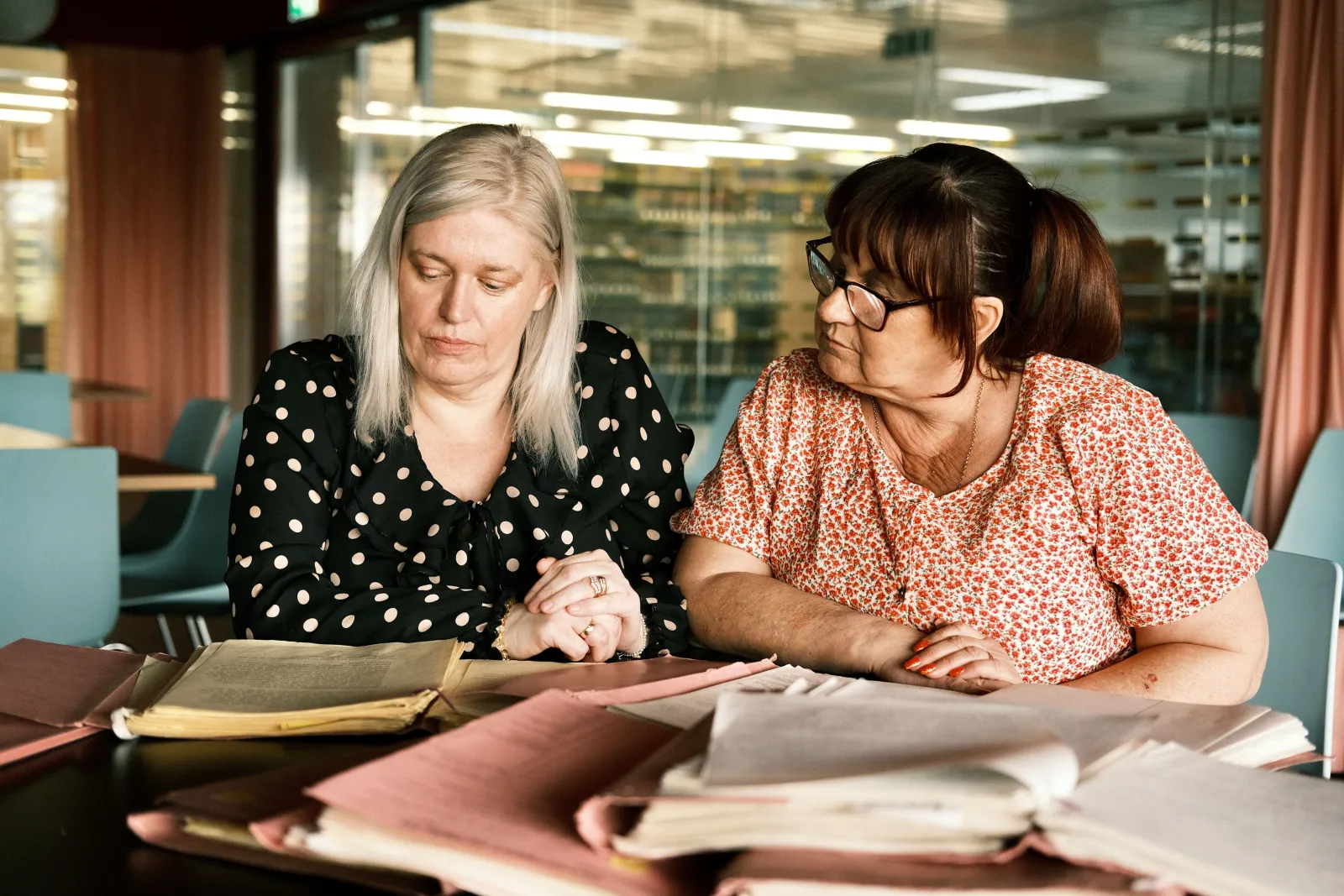
The crucial breakthrough came in 2015 when the pair uncovered medical papers dating back to the early 1970s which revealed key decisions informing how the drug would be prescribed. They found notes from Sanofi stating that valproate could be teratogenic, meaning harmful to foetuses, alongside a response from the Committee on Safety of Medicines concluding that patients should not be informed in order to avoid fruitless anxiety. It was decided then that the packaging should contain no warnings, leading Janet to declare that they found documents proving it was a regulatory state failure which left mothers in the dark.
The Fight for Government Accountability and Compensation
In 2018, following an emotionally charged meeting with David Cameron, whose son had severe epilepsy, the Medicines and Healthcare Products Regulatory Agency established a valproate pregnancy prevention plan, and former health secretary Jeremy Hunt announced an independent review into complaints around valproate. However, the resulting review, titled First Do No Harm, was rejected by the government. Emma described her nervousness when walking into Westminster rooms filled with well-educated people, where some meetings left her unable to talk, and participants were exposed to sexist attitudes where they were referred to as bored, hysterical housewives.
Eventually, in 2024, a report was published by Dr Henrietta Hughes recommending a compensation scheme for families of children harmed by valproate taken in pregnancy, suggesting initial payments of £100,000 and describing the damage as a bigger scandal than thalidomide. More than two years on from the recommendations for compensation, none of the families have received a penny, leaving mothers to feel that the authorities simply do not care while the enduring guilt remains with every single mother affected.