Pakistan Agriculture Sector Dominates Prime Minister Youth Loan Scheme
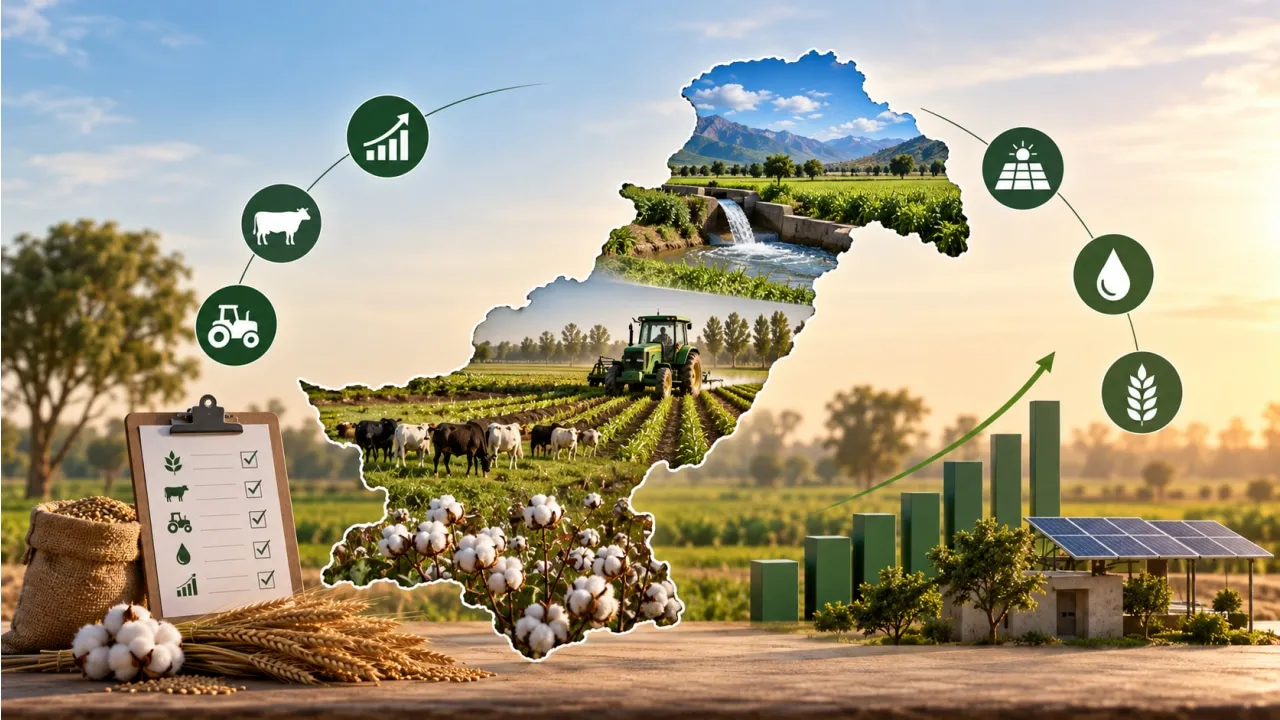
Pakistan's agriculture sector has emerged as the largest beneficiary of the Prime Minister's Youth Business and Agriculture Loan Scheme, receiving Rs. 102 billion out of Rs. 288 billion disbursed between 2023 and June 2026. This massive financial injection reflects the heavy reliance of the national economy on farming, livestock, and rural productivity. Official statistics show that the government provided loans to 570,290 beneficiaries during the period, with 59 percent belonging to the agriculture sector. The figures highlight the sector's dominant share in the subsidized lending program, although a relatively small number of borrowers received a substantial portion of the financing.
The program was structured to provide financial assistance to various segments of the population, but the farming community captured a massive portion of the available funds. While hundreds of thousands of people accessed microcredit or smaller amounts, the capital-intensive nature of modern farming drew larger capital allocations. Financial experts note that agriculture requires significant upfront costs for machinery, irrigation, and seeds, which explains why large sums flowed into this sector. The distribution patterns under the initiative reveal how state-backed credit programs intersect with traditional economic pillars in Pakistan.
Concentration of Funds Among Agricultural Borrowers
However, the financing was concentrated among 3,957 agricultural borrowers, who accounted for more than 35 percent of the total loans distributed under the program. This high concentration means that a select group of operators secured very substantial sums compared to the hundreds of thousands of micro-borrowers in the broader pool. Official records indicate that the 3,957 agricultural borrowers received loans ranging from Rs. 1.5 million to Rs. 7.5 million at a fixed interest rate of 7 percent. This highly favorable interest rate provided significant relief against prevailing market rates, reducing the cost of capital for those who qualified.
The stark difference between the total number of beneficiaries and the small count of large agricultural recipients points to a tiered distribution model. While grassroots participants accessed smaller tranches of credit, individuals with larger landholdings or corporate farming setups absorbed the heavy capital tier. Observers point out that while this approach drives high-value modernization in rural areas, it also raises questions about wealth distribution and equitable access to state subsidies for smallholders who lack collateral or formal banking connections.
Business Sector Loans and Combined Disaggregations
Meanwhile, businesses received another Rs. 92 billion through loans in the same financing category, benefiting 20,405 borrowers. Combined, agricultural borrowers and businesses received Rs. 193 billion, accounting for 24,362 beneficiaries. These parallel streams illustrate the dual focus of the national policy on stimulating both rural production and urban or semi-urban commercial enterprises. Small and medium enterprises have long struggled with high borrowing costs in Pakistan, making subsidized credit a vital lifeline for commercial growth.
The commercial recipients used these funds for various operational needs, ranging from retail expansion to manufacturing upgrades. By pairing business loans with agricultural credit under the same administrative umbrella, the government sought to balance economic stimulus across different sectors. The joint tally of Rs. 193 billion directed toward these two groups demonstrates that the bulk of the overall Rs. 288 billion pool went toward productive commercial and agricultural ventures rather than consumer consumption.
Background and Evolution of the Youth Loan Program
The Prime Minister's Youth Business and Agriculture Loan Scheme was initially approved in January 2023 and provides subsidized financing to Pakistani citizens aged 18 to 45 with entrepreneurial potential. The initiative was designed to address youth unemployment and underemployment by encouraging self-employment and private enterprise. By lowering financial barriers through subsidized interest rates and state backing, the program aimed to unlock the potential of a young demographic eager to launch or scale up ventures.
Over the years of its operation, the scheme underwent various administrative adjustments to improve reach and efficiency. Commercial banks partner with the government to disburse the funds, evaluating applicants based on business viability and creditworthiness. The program represents one of several state interventions aimed at stabilizing the domestic economy by supporting grassroots entrepreneurship and modernizing traditional economic sectors.
Future Expansion and Upcoming Targets for FY27
The government has now expanded the program by introducing a new financing category for loans of up to Rs. 25 million, while setting a disbursement target of Rs. 292 billion for FY27. The new category is intended to support larger businesses and encourage enterprise expansion and employment generation. By raising the loan ceiling to Rs. 25 million, authorities hope to attract larger commercial players who can scale operations and create substantial job opportunities.
This upcoming fiscal year target of Rs. 292 billion signals continued government commitment to subsidized credit despite broader fiscal challenges. Stakeholders across the agricultural and commercial sectors are watching closely to see how the new higher-tier loans will be distributed and whether smaller applicants will continue to find space alongside larger corporate borrowers. As the program enters its next phase, transparency in loan allocation and strict adherence to repayment monitoring remain critical factors for long-term sustainability.





