Peshawar Tests Automated E-Challan System
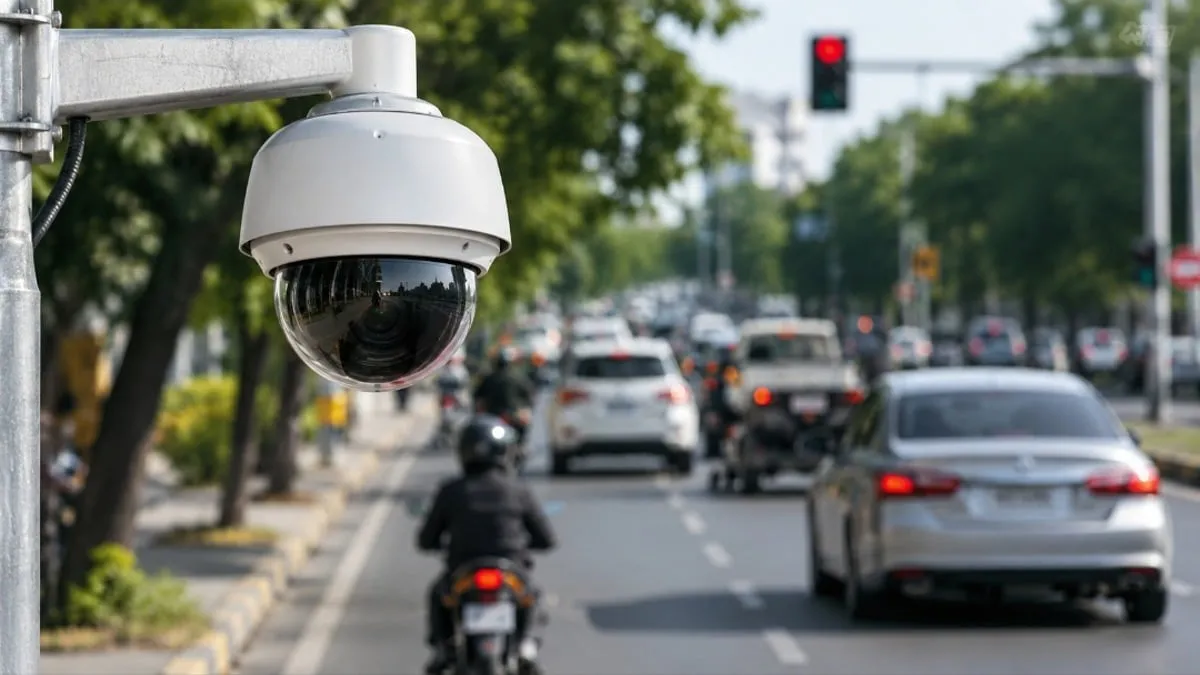
Peshawar has started testing an automated e-challan system on an experimental basis, using Safe City cameras to monitor traffic violations and identify motorists breaking traffic rules. This technological shift marks a major upgrade for urban traffic management in the region. Authorities aim to modernize the enforcement of road regulations through digital oversight rather than manual intervention by traffic wardens on the streets.
Under the system, cameras detect violations and identify vehicle owners for the issuance of online challans. Police officials say the digital system will ensure that recommendations and personal influence cannot help violators escape fines. By removing human discretion from the ticketing process, the administration hopes to create a fair environment where every motorist is held accountable for breaking the law.
The transition to digital enforcement aligns Peshawar with global urban centers that rely on automated infrastructure to manage congestion and safety. Municipal authorities have studied similar deployments internationally to understand best practices in automated traffic management. The integration of high-resolution cameras and automated database queries forms the backbone of this new operational capability.
What Traffic Violations Does the E-Challan System Detect?
The monitoring system covers violations such as driving without a seat belt, traveling on the wrong side of the road, running red lights and riding motorcycles without helmets. These specific infractions represent some of the most common and dangerous behaviors observed on local roads. Catching these actions automatically reduces the risk of accidents caused by distracted driving and blatant disregard for safety signs.
Police officials said more than 15 million violations involving two types of traffic offences had been recorded during the experimental phase. However, authorities have not issued any challans so far. This testing period allows the department to calibrate equipment, verify database accuracy, and ensure the technology functions reliably under real-world conditions before financial penalties begin.
Motorists should use this testing window to correct driving habits and familiarize themselves with the automated oversight. The technology records high-definition imagery of vehicles, capturing license plates and driver compartments to establish clear evidence of each infraction. This visual record prevents disputes when notices reach vehicle owners.
How Safe City Cameras Identify Motorists
DIG IT Khyber Pakhtunkhwa Ijaz Ahmed said Safe City cameras and modern technology would enable authorities to automatically monitor traffic violations and identify offenders. SSP Traffic Peshawar Dr. Zahid Rafiq said the system would help detect motorists violating traffic rules. The infrastructure relies on a centralized network of optical sensors placed at strategic intersections and major roadways.
When a vehicle crosses a monitored threshold while committing an infraction, the camera captures the license plate number. Software cross-references this plate with vehicle registration databases to retrieve the owner details and current address. The generated ticket links directly to this profile for electronic delivery or mail distribution once formal operations start.
This technical setup eliminates the need for police officers to pursue speeding or reckless drivers through heavy traffic, which often creates additional hazards. Officers stationed at monitoring consoles oversee the automated alerts and verify that the data matches the recorded incident before any administrative action proceeds.
When Will Formal E-Challans Begin in Peshawar?
Police officials said that the formal issuance of automated e-challans for six types of traffic violations would begin in the initial phase once the system receives approval. Administrative bodies are currently reviewing the trial data to establish the final protocols for fine collection and appeal procedures. Once final clearance is granted, the transition from testing to active enforcement will begin.
The rollout will start with a core set of infractions before expanding to cover a broader range of regulatory breaches. Public awareness campaigns will accompany the launch to inform citizens about the payment methods and dispute mechanisms available if they receive an electronic ticket. Clear timelines for payment and penalties for late settlements will be published by the traffic department.
Drivers caught during the initial phase receive warnings rather than monetary penalties, giving the public time to adjust. City planners expect that visible enforcement will gradually alter driver behavior, leading to smoother traffic flow and fewer collisions across major commercial and residential corridors.
International Models Behind the Digital Traffic Overhaul
The system is being introduced along the lines of similar systems in the United Kingdom, Dubai and other developed countries to improve traffic law enforcement and promote awareness of road safety rules. Urban centers across the globe use automated camera networks to maintain order without requiring massive deployments of traffic police on every corner. These international examples demonstrate how technology can foster a culture of compliance.
Implementing a framework inspired by global standards involves robust data security measures to protect citizen information stored in government databases. The software restricts access to authorized personnel only, ensuring that personal data remains secure while processing tickets efficiently. Authorities plan to scale the network over time to cover more neighborhoods and thoroughfares.
As the digital transformation of traffic policing continues, citizens must adapt to a landscape where cameras record every movement on the road. The ultimate goal remains the reduction of fatalities and injuries resulting from careless driving habits. Through consistent application of the rules, the administration seeks to build a safer travel environment for all road users.