Pakistan and Sudan Sign Visa-Free Travel Pact
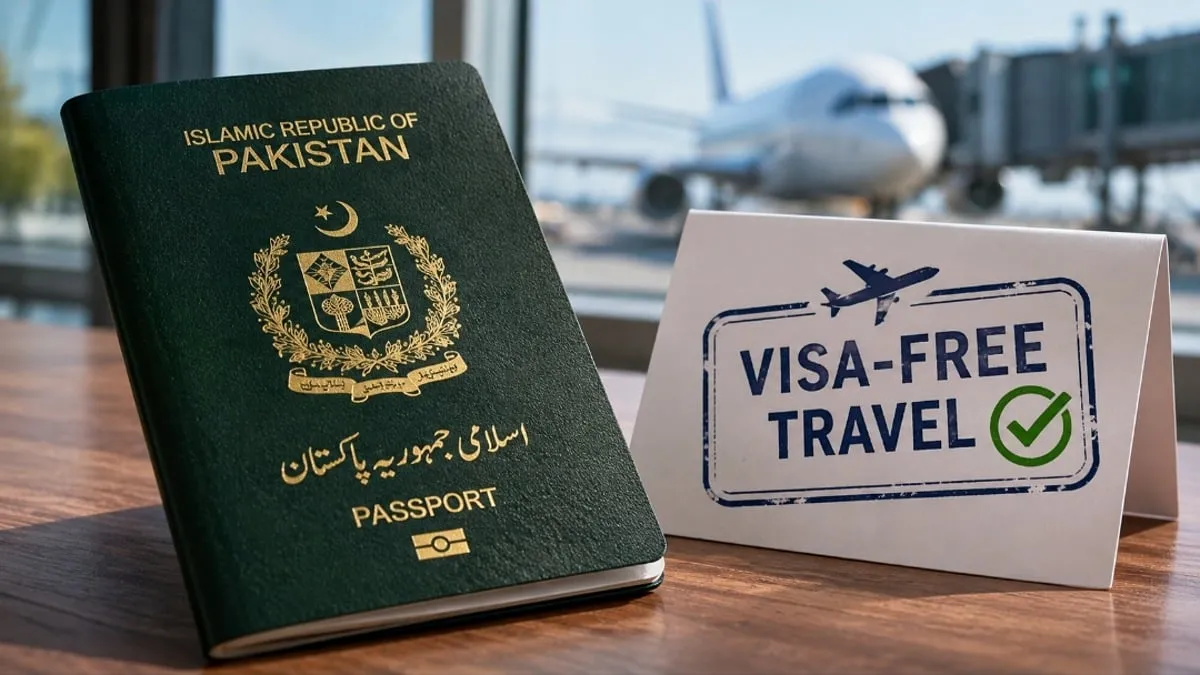
Pakistan and Sudan have signed an agreement allowing holders of official and diplomatic passports from both countries to travel without visas. Interior Minister Mohsin Naqvi and Sudanese Interior Minister Lieutenant General Babiker Samra Mustafa Ali signed the agreement during a formal meeting.
The new arrangement applies strictly to individuals holding valid official or diplomatic passports issued by either government. Citizens traveling with standard ordinary passports must still follow the traditional visa application procedures established by both nations.
Government officials expect the measure to streamline movement for diplomats and state functionaries. By removing administrative barriers, the two governments hope to encourage more frequent state-level interactions and consultations.
Details of the Official Passport Agreement
The two ministers welcomed the agreement, describing it as an important step toward strengthening bilateral relations and facilitating high-level exchanges between the countries. Under the agreement, Pakistani and Sudanese citizens holding valid official or diplomatic passports will receive visa-free entry when traveling between the two countries.
Diplomatic and official passports are typically issued to government representatives, cabinet ministers, diplomats, and administrative personnel traveling on official state business. Exempting these specific travelers from visa requirements reduces processing delays and administrative costs for both foreign ministries.
The policy applies equally in both directions, granting Pakistani officials entry into Sudan and Sudanese officials entry into Pakistan under the same conditions. Both governments maintain sovereign control over their borders and retain the right to deny entry to any individual according to national laws and security protocols.
Impact on Government Delegations and Institutional Cooperation
The arrangement will make official visits and the exchange of government delegations easier while creating new opportunities for institutional cooperation. State institutions often require rapid deployment of representatives for bilateral talks, trade negotiations, and technical assistance programs.
With visa requirements removed for diplomatic and official passport holders, ministries can schedule meetings and send delegations with minimal notice. This flexibility supports ongoing diplomatic engagements and allows both capitals to respond quickly to emerging areas of mutual interest.
Institutional cooperation spans various sectors of public administration, security, and economic planning. Simplifying travel for authorized personnel helps remove logistical hurdles that often slow down international partnerships between developing nations.
Broader Bilateral Relations Between Pakistan and Sudan
Sudan's interior minister said the agreement would further strengthen friendly relations and cooperation between the two countries. Both ministers reaffirmed their commitment to expanding bilateral ties and strengthening cooperation between Pakistan and Sudan.
Bilateral relations between Islamabad and Khartoum have historically involved diplomatic cooperation through international forums such as the United Nations and the Organisation of Islamic Cooperation. Both countries share common perspectives on various regional and global issues, maintaining regular diplomatic channels for political dialogue.
Economic ties and trade also form part of the relationship between the two nations, though official travel arrangements focus primarily on government-to-government interaction. Expanding the network of visa-abrogation pacts for official documents remains a common diplomatic practice for enhancing international partnerships.
Understanding Official and Diplomatic Passports
Diplomatic and official passports differ significantly from standard passports issued to the general public. Governments issue these specialized travel documents to individuals representing the state in an official capacity, granting certain courtesies recognized under international diplomatic norms.
While standard passport holders must apply for visas through embassies or online portals, holders of official passports often enjoy expedited processing or visa exemptions based on bilateral treaties. The agreement signed by Mohsin Naqvi and Lieutenant General Babiker Samra Mustafa Ali falls into this category of specialized travel facilitation.
Such agreements reflect a mutual desire to maintain open communication channels at the highest administrative levels. By easing movement for key personnel, Pakistan and Sudan are laying the groundwork for more sustained institutional collaboration in the future.