Prime Minister Shehbaz Sharif has officially approved the final draft of Pakistan's new auto policy. The federal government aims to massively increase market competition and heavily encourage electric vehicle (EV) manufacturing. Consequently, the state hopes to drastically reduce Pakistan's crippling dependence on imported petroleum products.
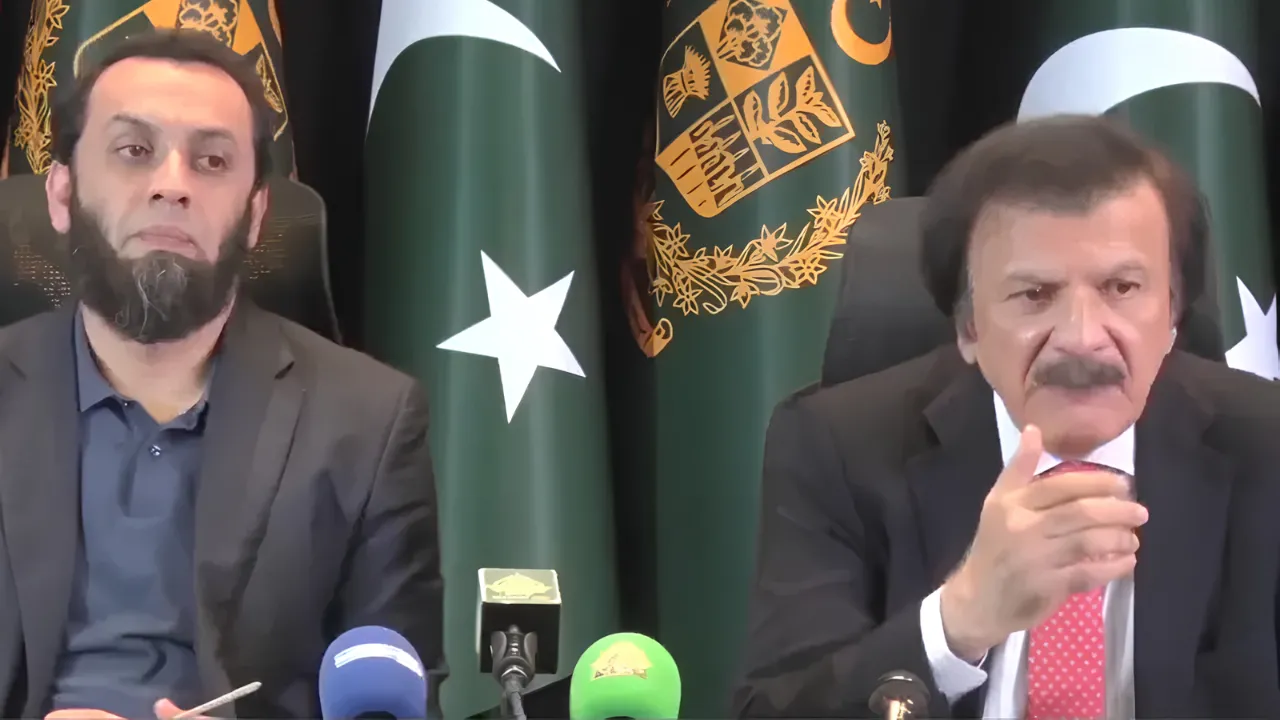
Federal Minister for Information and Broadcasting Attaullah Tarar announced the development at a joint press conference with the Prime Minister's Adviser on Industries, Haroon Akhtar. The approved draft will now be submitted directly to the Federal Cabinet for final consideration.
What Are the Core Directives of the New Auto Policy?
The policy is organized around five key focus areas, each with specific directives and incentives:
| Policy Focus | Key Directives & Incentives |
| Market Competition | Ends decades of local protectionism to encourage new automakers. |
| EV Infrastructure | Exempts EV charging stations from customs duties. Reduces sales tax. |
| Small Vehicles | Preserves existing incentives for petrol-powered cars up to 800cc. |
| Economic Strategy | Targets massive reduction in Pakistan's petroleum import bill. |
| Security Measures | Mandates registration of non-custom-paid (NCP) vehicles in KP. |
Why Does the Policy Target Market Competition?
For decades, Pakistan's domestic automobile sector operated under extremely high tariff protection. Successive governments imposed import duties that were intended to nurture local manufacturers, improve vehicle quality and accelerate technology transfer. In practice, the protectionist regime stifled competition, kept prices high and failed to deliver affordable, modern cars to consumers.
The new framework reverses that approach. By lowering barriers, the government hopes to attract regional and global manufacturers that can offer a broader range of models at competitive prices. Minister Tarar emphasized that middle-income households will benefit from more choices and lower ownership costs.
Stakeholder consultations included representatives from the Pakistan Automotive Manufacturers Association, foreign investors, consumer groups and the Ministry of Finance. Comparative assessments of auto policies in Thailand, Malaysia and Brazil informed the draft, highlighting how liberalised markets have spurred growth and job creation.
How Is the Policy Designed to Spark an Electric Vehicle Revolution?
The EV component is the most aggressive element of the draft. It exempts the import of equipment for EV charging stations from all customs duties and reduces the applicable sales tax, creating a clear financial incentive for private investors and state-run entities to build a nationwide charging network.
Tarar pointed out that Pakistan's geography - a compact country with major urban corridors - makes it well suited for rapid EV deployment. He noted a surge in demand for electric motorcycles and scooters, especially among women and university students who seek low-cost, low-maintenance transport.
Beyond infrastructure, the policy promises tax holidays for manufacturers that set up assembly lines for batteries and EVs, encouraging the development of a domestic supply chain. The government envisions a future where Pakistan not only meets local demand but also exports EVs to neighboring markets such as Afghanistan, Bangladesh and the Gulf states.
What Economic Impact Is Expected From Reducing Petroleum Imports?
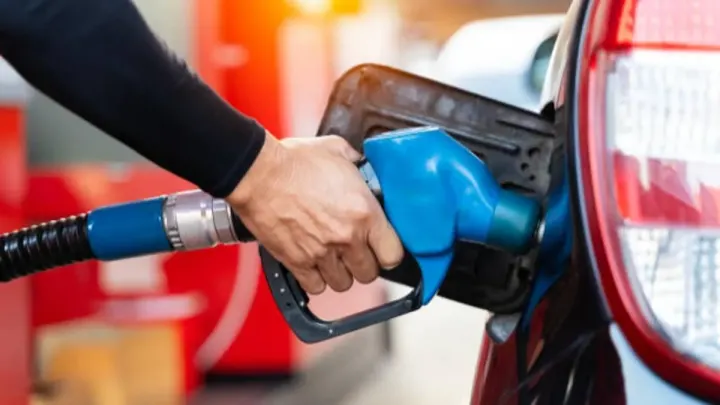
Pakistan's petroleum import bill has consistently exceeded US$10 billion annually, creating a persistent drain on foreign exchange reserves. Volatile global oil prices translate directly into higher inflation and increased household transport costs.
By shifting a significant share of passenger and light-commercial traffic to electric power, the policy aims to cut petroleum consumption by an estimated 30 percent within the next decade. Savings from reduced imports could be redirected to critical sectors such as health, education and road infrastructure, according to the Ministry of Finance.
Economists caution that the transition will require coordinated fiscal measures, including subsidies for low-income buyers and incentives for local parts manufacturers, to ensure that the benefits are broadly shared.
How Does the Policy Address Security Concerns Over Non-Custom-Paid Vehicles?
Non-custom-paid (NCP) vehicles, cars and motorcycles that enter the country without proper customs clearance, have been a security headache, particularly in Khyber Pakhtunkhwa (KP). Unregistered vehicles have been linked to illicit activities and terrorist attacks.
The new policy mandates a formal registration process for all NCP vehicles through the Customs and Excise Department in collaboration with the KP police. This measure is intended to tighten vehicle tracking, improve tax compliance and reduce the risk of criminal misuse.
Implementation will involve a digital registration platform, roadside verification units and a public awareness campaign to encourage owners to regularise their vehicles.
What Are the Next Steps for the Auto Policy?
After Prime Minister Sharif's approval, the draft will be presented to the Federal Cabinet for final endorsement. Once approved, the Ministry of Industries will issue detailed guidelines, including timelines for tariff reductions, tax incentives and the registration framework for NCP vehicles.
Key milestones include:
- Cabinet approval expected within the next two weeks.
- Publication of implementation rules within 30 days of cabinet sign-off.
- First round of EV charging station licences to be awarded within 60 days.
- Registration drive for NCP vehicles to begin in KP within 45 days.
Industry observers will watch for the Cabinet's final decision, the speed at which incentives are rolled out, and the response of foreign automakers to the newly opened market.
Practical Takeaways for Consumers and Businesses
Consumers can anticipate a broader selection of affordable cars, including electric two-wheelers, as new manufacturers enter the market. Those interested in purchasing an EV should monitor upcoming tax reductions and the rollout of charging stations in major cities such as Karachi, Lahore and Islamabad.
Businesses in the automotive supply chain, battery producers, component manufacturers and service providers, should prepare for increased demand by aligning with the incentive schedule and exploring joint ventures with foreign investors.
Vehicle owners in KP with unregistered cars must register them through the new digital portal to avoid penalties and contribute to national security objectives.