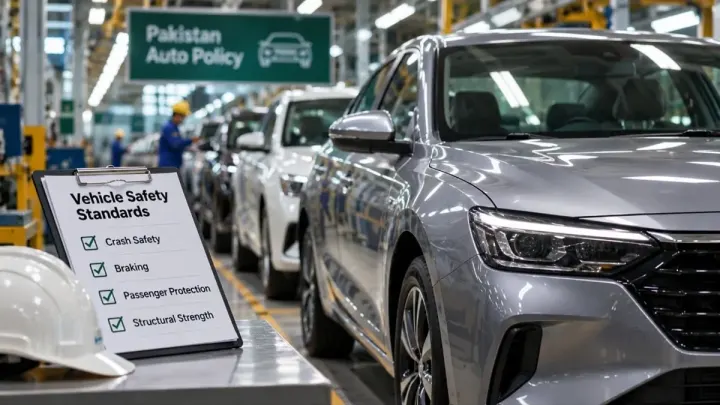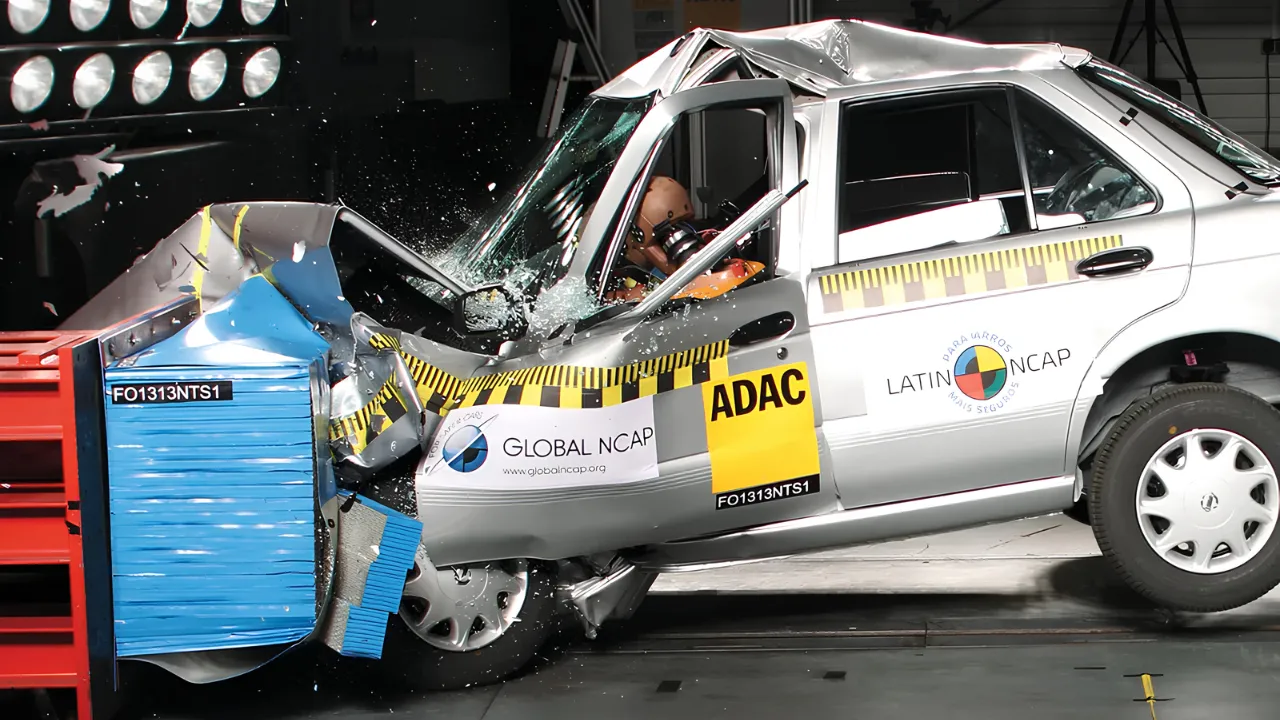
The government of Pakistan has introduced 45 new UN-backed safety standards for cars, a key element of its newly unveiled auto policy. Adviser to the Prime Minister for Industries and Production Haroon Akhtar Khan announced the standards on Saturday in Islamabad, alongside Information Minister Attaullah Tarar.
The announcement marks a decisive shift toward aligning Pakistan's vehicle regulations with the United Nations' WP.29 code, a globally recognised framework for automotive safety and environmental performance. Under the new rules, both newly manufactured and imported vehicles will have to comply with the added standards before they can be sold or registered.
Why the Safety Standards Matter
Pakistan's automotive market has traditionally relied on legacy regulations that lag behind many of its trading partners. According to the International Transport Forum, the country's average vehicle fatality rate is higher than the global average, a gap partly attributed to weaker safety requirements. By adopting the 45 UN-backed standards, the government intends to lower crash-related injuries and deaths, improve occupant protection, and bring Pakistani cars into line with the safety levels of Europe, North America and parts of Asia.
What the 45 Standards Cover
The WP.29 code includes a range of technical specifications, from crash-test performance to restraint systems and electronic stability controls. While the press release did not list each item, the standards typically address:
- Front and side impact protection
- Seat-belt pre-tensioners and load limiters
- Airbag deployment thresholds
- Pedestrian safety measures
- Electronic braking systems (EBS)
- Vehicle crash-worthiness ratings
Manufacturers will need to certify compliance through approved testing centres, a process overseen by the Pakistan Standards and Quality Control Authority (PSQCA). Failure to meet the standards could result in denial of registration, fines or recall orders.
Six Pillars of the New Auto Policy
Vehicle safety is only one of six pillars that shape the broader policy framework. The other five pillars address affordability, export growth, localisation, electric-vehicle (EV) adoption and industry transparency.
Pillar 1 - Safety Requirements
The new safety standards are the cornerstone of Pillar 1. Haroon Akhtar Khan said, "When our vehicles will go through these safety codes, they will be considered the world's safest vehicles, both manufactured and used." The statement reflects the government's ambition to position Pakistani cars as benchmark-level products on the global stage.
Pillar 2 - Affordability
To make cars cheaper for consumers, the policy proposes tax reductions on chassis-built vehicles, lower customs duties on parts, and incentives for local assembly. The goal is to narrow the price gap between imported and domestically produced models, which has historically driven consumers toward used imports.
Pillar 3 - Export Promotion
Pakistan aims to increase auto-parts exports by 30 % over the next five years. The policy encourages manufacturers to obtain international certifications such as ISO 9001 and to participate in regional trade fairs. Export-focused incentives include duty-free access to selected markets under the South Asian Free Trade Area (SAFTA).
Pillar 4 - Localization
Local content requirements will rise from the current 40 % to 60 % for critical components like engines, transmissions and safety systems. The government plans to establish a "Auto-Parts Development Fund" to support small and medium-size enterprises (SMEs) that supply to major OEMs.
Pillar 5 - Electric Vehicle Adoption
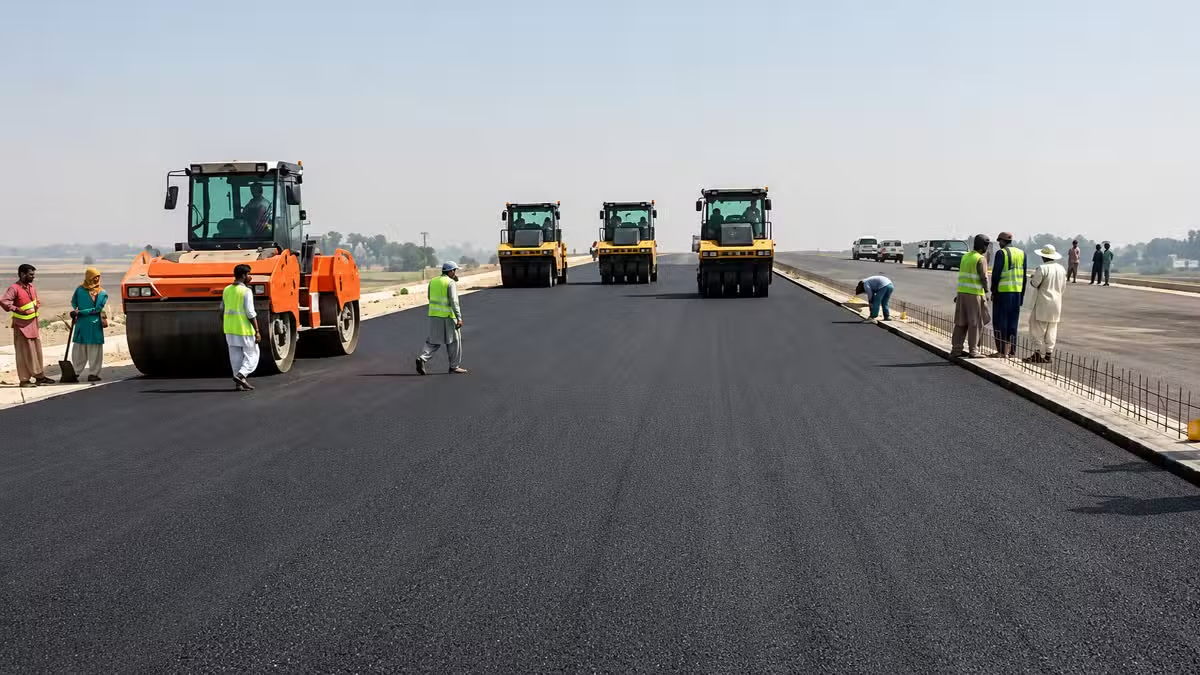
The policy sets a target of 30 % EV sales by 2030. It includes subsidies for EV manufacturers, tax exemptions on batteries, and a rollout of public charging stations along the Motorway network. A separate regulatory body will oversee EV standards to ensure safety and performance.
Pillar 6 - Transparency
All auto-industry data, including production volumes, import/export figures and compliance reports, will be published quarterly on a dedicated portal. This move is intended to curb corruption and give investors clearer insight into market dynamics.
Implementation Timeline and Next Steps
The safety standards will become effective on 1 January 2025. Manufacturers have a twelve-month window to redesign models, secure testing approvals and update production lines. The PSQCA will issue detailed implementation guidelines by the end of November 2024, and a series of stakeholder workshops are scheduled in major automotive hubs such as Karachi, Lahore and Faisalabad.
Beyond the safety standards, the full auto policy will be rolled out in phases. Affordability measures are expected to begin in Q2 2025, while EV incentives will be operational by Q4 2025, contingent on the establishment of the charging network.
Impact on Consumers, Industry and the Economy
Consumers stand to benefit from safer vehicles, though initial purchase prices may rise as manufacturers absorb compliance costs. Over time, the government expects a net reduction in insurance premiums and medical expenses linked to road accidents.
The auto sector, which contributes roughly 3 % to Pakistan's GDP, could see a short-term slowdown as firms adjust to new requirements. However, analysts project that the long-term effect will be a more competitive industry capable of exporting higher-value products.
For the broader economy, the policy aligns with Pakistan's Vision 2025 goals of industrial diversification and reduced reliance on imported finished goods. By boosting local content and encouraging EV technology, the government hopes to create thousands of skilled jobs and lower the nation's carbon footprint.
Challenges and Criticisms
Industry groups have warned that the rapid introduction of 45 standards could strain smaller manufacturers lacking the capital for re-tooling. Some importers fear that stricter regulations may reduce the availability of affordable used cars, a segment that serves low-income families.
Consumer advocacy organisations have called for a phased implementation that includes subsidies for low-cost safety equipment, such as seat-belt reminders and child-restraint systems, to avoid widening the affordability gap.
What to Watch For
Key indicators to monitor include:
- Release of the PSQCA implementation handbook (expected November 2024).
- Number of vehicles certified under the new standards by mid-2025.
- Progress on the EV charging network, measured by kilometers of public chargers installed.
- Changes in vehicle import tariffs and their effect on market prices.
Stakeholders are advised to stay updated through the official auto-policy portal and to attend the upcoming industry briefings.
In summary, Pakistan's introduction of 45 UN-backed safety standards signals a major regulatory overhaul aimed at improving road safety, fostering industry growth and positioning the country as a future hub for electric mobility.