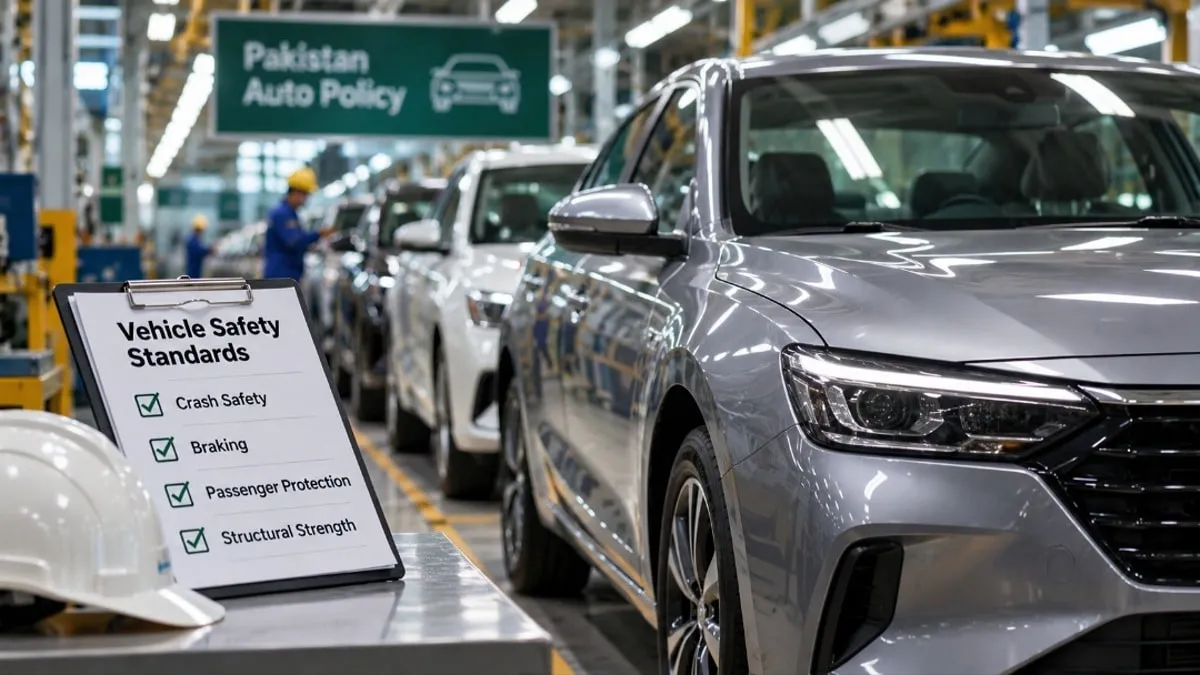
Pakistan Implements 45 New Car Safety Standards
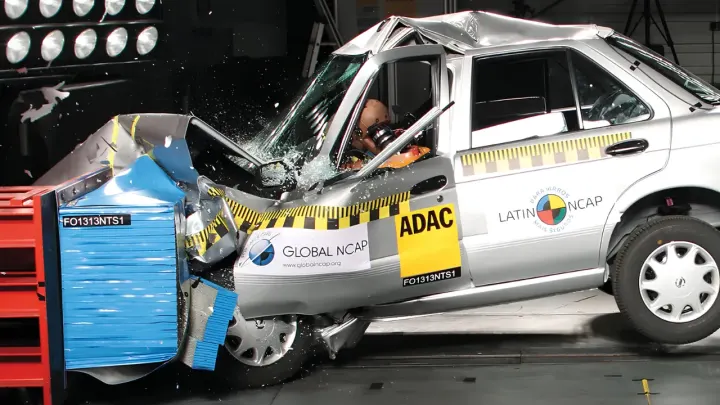
Pakistan has officially moved to overhaul its automotive sector by introducing 45 new vehicle safety standards. These new regulations align directly with the United Nations WP.29 code. The overarching goal of this regulatory shift is to bring both locally manufactured vehicles and used cars in line with stringent international safety requirements.
Adviser to the Prime Minister for Industries and Production Haroon Akhtar Khan detailed the new measures during a press conference in Islamabad on Saturday. He appeared alongside Information Minister Attaullah Tarar to unveil the comprehensive update to the national automotive framework.
The integration of these safety provisions marks a major change in how vehicles are evaluated and produced within the country. Industry observers note that past policies often lagged behind global benchmarks regarding passenger protection and structural integrity. By adopting internationally recognized frameworks, policymakers hope to bridge this gap.
Understanding the UN WP.29 Safety Code
The United Nations WP.29 code, formally known as the World Forum for Harmonization of Vehicle Regulations, operates under the United Nations Economic Commission for Europe. It serves as a worldwide regulatory framework for motor vehicles and motor vehicle equipment. Countries that adopt these codes commit to standardized testing and safety protocols.
Compliance with the WP.29 code covers a vast array of components, ranging from braking systems and lighting to crash test durability and seatbelt anchorages. When a nation incorporates these standards into its domestic legislation, vehicles sold in that market must meet rigorous verification procedures.
Haroon Akhtar Khan emphasized the transformative potential of these regulations during his briefing. When our vehicles will go through these safety codes, they will be considered the world's safest vehicles, both manufactured and used, he said.
Core Pillars of the New Auto Policy
The introduction of the 45 safety standards is not an isolated initiative. Instead, it forms one of the six key pillars of the new auto policy introduced by the government. This broad policy framework seeks to modernize the entire domestic manufacturing ecosystem.
Aside from passenger protection, the policy targets five other strategic areas:
- Making vehicles more affordable for the general public
- Promoting vehicle exports to international markets
- Increasing the local manufacturing of parts and components
- Encouraging the adoption of electric vehicles
- Ensuring complete transparency across the sector
By addressing affordability alongside safety, the administration attempts to balance consumer financial relief with regulatory compliance. Past discussions in the sector often centered on high vehicle prices relative to average incomes, making this dual focus necessary.
Impact on Local Manufacturers and Used Car Markets
Automobile manufacturers operating within Pakistan must now adapt their production lines to meet the 45 new safety benchmarks. This requirement demands investments in testing facilities, engineering upgrades, and quality control procedures. Companies that fail to comply risk losing their market authorization once enforcement mechanisms take full effect.
At the same time, the used car market faces new scrutiny. Imported and secondhand vehicles must also demonstrate adherence to these specifications. This ensures that vehicles entering the secondary market do not compromise overall road safety standards.
Businesses dealing in automotive components will also feel the effects of the policy. The push for increased localization means domestic vendors must elevate their output quality to meet the stringent demands dictated by the WP.29 compliance guidelines.
Broader Economic and Export Goals
A major motivation behind aligning with international safety codes is the ambition to export Pakistani-built vehicles abroad. For decades, local production largely served domestic demand, with minimal presence in foreign markets. Meeting global safety criteria removes a major barrier to international trade.
When vehicles carry certification under recognized international codes, foreign buyers gain confidence in their reliability. The government strategy hinges on transforming the domestic industry from a protected local market into a competitive exporter capable of generating foreign exchange.
Transparency and electric vehicle adoption form the remaining pillars designed to future-proof the industry. As global markets transition toward sustainable transport, encouraging electric mobility ensures that local manufacturers do not fall behind technological trends.
Official Announcements and Government Coordination
The rollout of the policy was handled jointly by senior government officials in the capital. Haroon Akhtar Khan and Attaullah Tarar presented the details to media representatives, highlighting the collaborative approach of the administration in reshaping industrial policy.
The press conference served as the official launchpad for public dissemination of the auto policy details. Stakeholders across the manufacturing, supply chain, and consumer advocacy sectors are now reviewing the specific implications of the 45 safety standards as implementation planning moves forward.