Pakistan Railways Sets Target for Freight Trains by January 2027
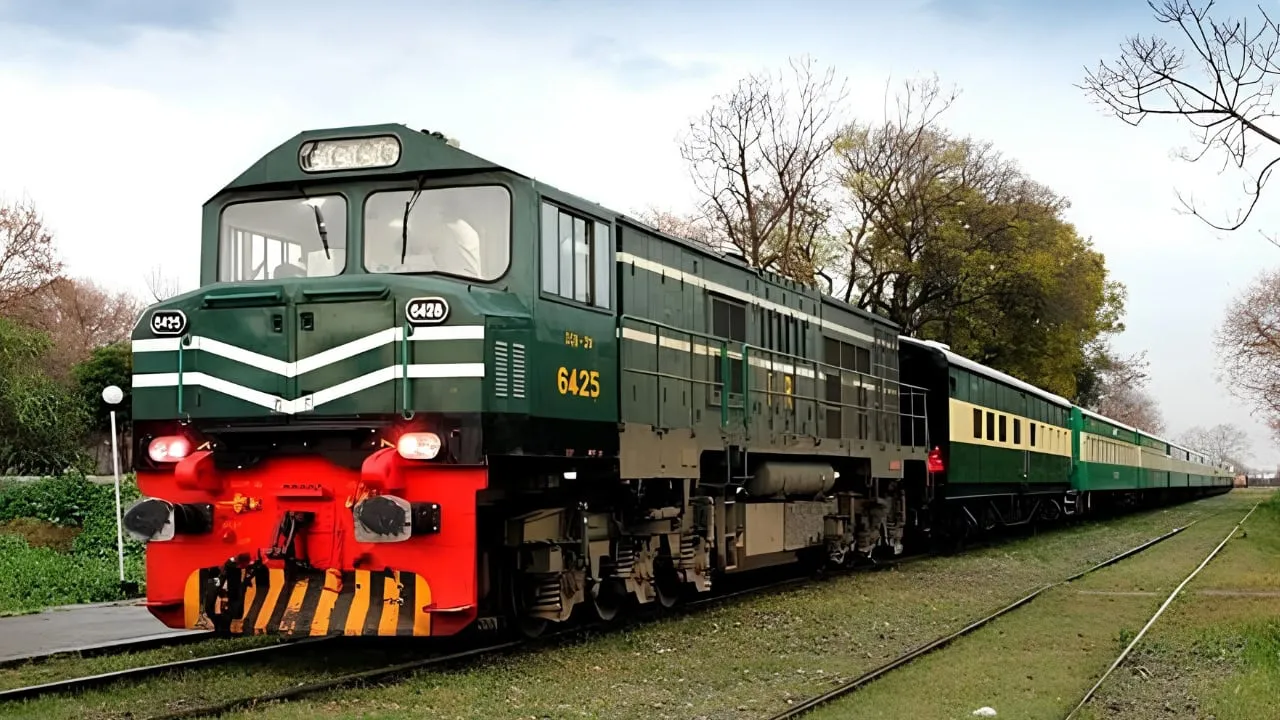
Pakistan Railways has established an official target of operating 14 freight trains by January 2027 to address the rising demand from the business community and boost overall department revenue. This strategic decision emerged during a high-level meeting chaired by Federal Minister for Railways Muhammad Hanif Abbasi at the Railways Headquarters.
The push for expanded cargo operations comes as the national railway network looks for ways to improve its financial standing through commercial ventures. Business groups have long requested more reliable and expansive freight corridors to move goods across the country efficiently.
By focusing heavily on cargo transport, the administration hopes to capture a larger share of the logistics market currently dominated by road transport. The transition involves upgrading infrastructure, improving turnaround times, and ensuring that commercial clients have consistent access to rail wagons.
Establishing a New Dry Port in Khanewal
During the same strategic session at the headquarters, officials approved the establishment of a dry port in Khanewal to strengthen freight operations and generate additional income for the state. Dry ports act as inland terminals connected directly to sea ports or major transport hubs, allowing for the centralized handling, customs clearance, and temporary storage of goods.
The new facility in Khanewal will serve regional businesses by simplifying the export and import process without requiring them to transport goods all the way to larger port cities for initial processing. This decentralized approach reduces transit delays and lowers logistics costs for manufacturers and agricultural producers based in the surrounding districts.
Income generated from the new dry port will contribute directly to the financial recovery of Pakistan Railways. Officials expect the terminal to attract significant commercial traffic once construction and operational protocols are finalized.
FIA Investigation and New Weighbridges for Railway Safety
To improve railway safety across the network, the government plans to seek a Federal Investigation Agency investigation into train examiners connected with accidents caused by mechanical faults. Mechanical failures have historically posed serious challenges to network reliability, prompting stricter accountability measures for personnel responsible for pre-departure inspections.
In tandem with the investigation, Pakistan Railways will install five additional weighbridges across the country by December 31 to prevent overloading. Overloaded cargo wagons cause excessive wear and tear on tracks and rolling stock, increasing the risk of derailments and structural damage.
These weighbridges will ensure that freight loads remain within safe operational limits before trains depart from terminals. Strict enforcement of weight limits protects both the physical infrastructure and the personnel operating the trains.
Operational Reforms and Divisional Meetings
Federal Minister Muhammad Hanif Abbasi directed officials to hold operational meetings at the divisional level instead of the Railways Headquarters to improve efficiency and performance. Shifting meetings to regional divisions allows local managers to address specific bottlenecks and maintenance issues quickly without waiting for centralized administrative clearance.
Other operational decisions finalized during the meeting included phasing out DVM and DVS coaches as part of fleet modernization efforts. Older passenger coaches require frequent maintenance and offer lower comfort levels, making their retirement a logical step for network efficiency.
Additionally, the administration ordered sleeper factories to operate in double shifts to increase production. Concrete sleepers form the foundation of stable railway tracks, and boosting local production supports ongoing track rehabilitation projects across the country.
Financial and Structural Goals for Pakistan Railways
The comprehensive set of measures approved by the ministry is designed to overhaul railway operations, strengthen freight transportation, and increase revenue through better infrastructure and management. Decades of underinvestment have left parts of the network in need of urgent repairs, making revenue-generating projects essential for long-term sustainability.
By expanding freight capacity, tightening safety protocols, and modernizing industrial output, the administration intends to build a more resilient transport network. The business community stands to benefit directly from these upgrades once the scheduled targets are met over the coming years.