Pakistan Banks and Regulators Chart Digital Asset and Finance Path
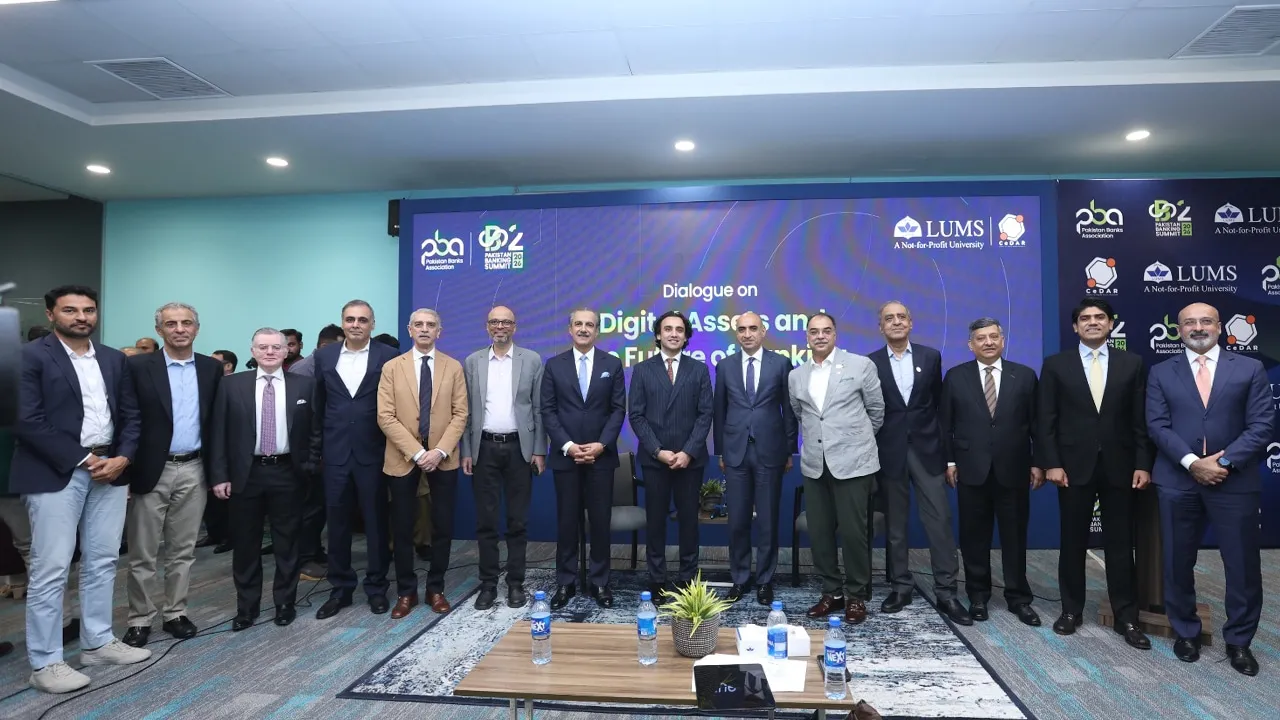
The Pakistan Banks Association, working alongside the Centre for Digital Asset Research at LUMS, recently convened a high-level gathering titled the Dialogue on Digital Assets and the Future of Banking. This important event brought together key figures from the Ministry of Finance, the Pakistan Virtual Assets Regulatory Authority, the State Bank of Pakistan, the Securities and Exchange Commission of Pakistan, leading commercial banks, and international experts. Held as a continuation of the Pakistan Banking Summit 2026, the meeting focused heavily on how the domestic financial sector can advance digital finance through careful coordination, responsible innovation, and thorough institutional preparedness.
Discussions during the sessions centered on cross-border payments, tokenisation, programmable payments, and the practical implementation of emerging technologies within the national financial ecosystem. By uniting policymakers, regulators, and commercial banking executives in one room, the dialogue aimed to bridge the gap between theoretical technological advancements and day-to-day banking realities. Participants explored how to build a resilient framework that encourages modernization while safeguarding economic stability.
Key Leaders Spearheading the Digital Dialogue
The event drew some of the most influential figures in Pakistan's economic and regulatory landscape as keynote speakers and guests of honour. Senator Muhammad Aurangzeb, Federal Minister for Finance and Revenue, attended the gathering as the Chief Guest. Other prominent speakers included Bilal Bin Saqib, Minister of State and Chairman of the Pakistan Virtual Assets Regulatory Authority, and Saleem Ullah, Deputy Governor of the State Bank of Pakistan.
The lineup also featured Imtiaz Haider, Commissioner of the Securities and Exchange Commission of Pakistan, and Umar Farooq, Global Co-Head of Payments at J.P. Morgan, alongside various other industry leaders and academic experts. Their collective participation highlighted the multi-sectoral commitment required to reshape Pakistan's financial architecture for the digital age.
Government Vision for Tokenisation and Debt Management
Addressing the assembled delegates, Federal Minister for Finance and Revenue Senator Muhammad Aurangzeb revealed that the government is actively exploring the possibility of tokenising Pakistan's existing Eurobond debt, subject to the necessary regulatory approvals. This innovative approach demonstrates a willingness to use distributed ledger technology for sovereign debt instruments.
The Minister emphasized that any such move must rely on close collaboration between commercial banks, regulatory bodies, and technology practitioners. He noted that developing practical digital finance solutions aligned with national economic priorities requires robust risk management and stringent cybersecurity safeguards to protect public funds and maintain investor confidence.
Shaping Global Financial Infrastructure Rather Than Renting It
Bilal Bin Saqib, Minister of State and Chairman of the Pakistan Virtual Assets Regulatory Authority, delivered a compelling perspective on Pakistan's historical role in global financial systems. He pointed out that when the world's correspondent banking arrangements and major payment networks were originally taking shape, Pakistan functioned primarily as a user of systems designed elsewhere rather than an architect.
Challenging the audience, he posed a fundamental question about the future of financial sovereignty. He asked whether the nation wants to continue renting its future or help build and own it. He urged commercial banks to act as launchpads for innovators, invest heavily in artificial intelligence capabilities, and strengthen partnerships with academic institutions like LUMS. Furthermore, he identified supervised, bank-led payment arrangements involving major Gulf remittance corridors as a promising opportunity worthy of careful examination under appropriate regulatory oversight.
Central Bank Perspectives on Sandbox Testing and Risk Mitigation
Saleem Ullah, Deputy Governor of the State Bank of Pakistan, emphasized that financial institutions must prioritize practical use cases over the underlying technology itself. He pointed to blockchain-enabled remittances and Roshan Digital Accounts as prime areas worth exploring within controlled testing environments.
The Deputy Governor underscored the necessity of assessing and mitigating multiple layers of risk. These include safeguarding monetary and financial stability, ensuring robust cybersecurity, maintaining strict anti-money laundering and know-your-customer compliance, and preserving consumer trust. He encouraged commercial banks to test relevant financial solutions through the official regulatory sandbox maintained by the central bank.
Evaluating Value and Economic Benefit in Asset Tokenisation
Imtiaz Haider, Commissioner of the Securities and Exchange Commission of Pakistan, called for a clear and value-driven approach when considering asset tokenisation. He urged industry stakeholders and regulatory bodies to carefully assess who stands to benefit from these technologies, identify existing regulatory gaps, and evaluate the nation's overall readiness.
He stressed that the most critical question is not simply how assets can be tokenised, but rather which specific assets should be tokenised to deliver meaningful economic value to the country. A targeted approach ensures that resources are directed toward innovations that generate tangible growth and efficiency.
Commercial Banking Industry Priorities and Regulatory Clarity
Zafar Masud, Chairman of the Pakistan Banks Association, articulated the commercial banking sector's readiness to embrace technological evolution. He stated that Pakistan's banks are not asking for protection from change, but rather for clear regulatory standards that institutions can build toward over time.
As the ultimate delivery channel for financial services, banks must be formally engaged from the outset, particularly while regulatory frameworks are still being developed. Masud noted that the banking industry brings the necessary infrastructure, compliance capabilities, and public trust required to translate innovation into practical financial solutions. He added that the dialogue marks a vital step toward developing a coordinated industry position for ongoing engagement with the central bank, the securities commission, and the virtual assets authority.
The Role of Academia and International Expertise
Dr Ali Cheema, Vice Chancellor of LUMS, addressed the intersection of research, policy, and industry practice during the event. He highlighted how crucial it is to connect academic research with real-world applications to assess emerging opportunities, overcome implementation hurdles, and build the human capital required for the future of digital finance.
To complement local insights, the dialogue featured a focused industry workshop led by Umar Farooq of J.P. Morgan. This interactive session brought together banking technology leaders, regulators, and academic researchers to identify high-priority use cases, potential pilot projects, and critical implementation considerations, setting the stage for structured follow-up actions across the sector.