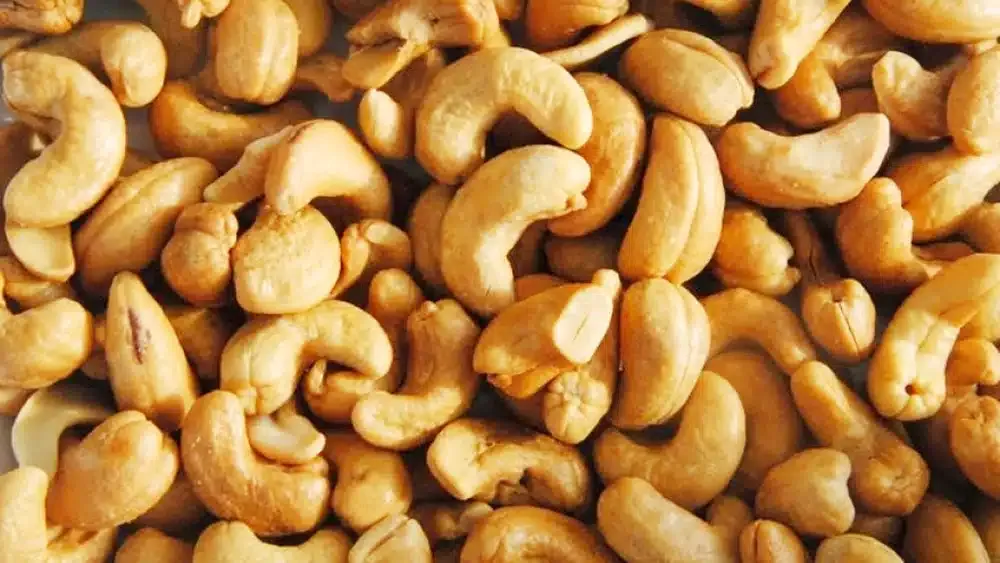
Pakistan Cashew Imports Surge Tenfold in 2024
Pakistan recorded a massive expansion in its trade data for the year 2024, driven by a sharp rise in foreign purchases of shelled nuts. According to trade figures, shipments climbed nearly 9.5 times during this twelve-month period. Local authorities and market analysts documented an increase from 329 tons in 2023 to 3,107 tons a year later.
This dramatic shift translates to growth of approximately 844 percent in just one year. Data compiled by Gallup Pakistan Digital Analytics reveals that household consumption analysis estimates Pakistani households spend around Rs. 56 billion annually on these premium varieties. The sudden expansion highlights changing purchasing habits among specific segments of the population.
Vietnam Dominates Pakistani Cashew Supply Chain
International trade routes played a central role in this market shift, with a single country capturing nearly the entire supply volume. Vietnam supplied almost all of Pakistan imported cashews during the recorded period. The total value of these incoming shipments from Vietnamese exporters reached approximately $10.5 million.
Vietnam holds a dominant position in the global processing and export market for this particular commodity, sourcing raw nuts from various regions and processing them before global distribution. The establishment of direct trade channels between Pakistani importers and Vietnamese suppliers facilitated the massive surge in volume observed throughout the year.
Where Cashews Fit in Pakistan Dry Fruit Market
Within the local economy, cashews occupy a specific tier among agricultural commodities and retail goods. Cashews are also part of Pakistan premium dry fruit category, alongside almonds, walnuts and pistachios. These items traditionally hold cultural and culinary significance, particularly during festive seasons, winter months, and family gatherings.
Retail markets across major urban centers stock these premium items in specialized dry fruit shops and modern supermarket chains. While traditional staples like peanuts and local dates remain widely accessible across all income brackets, premium nuts command higher price points due to import duties, transportation costs, and global market pricing.
Household Consumption Patterns and Market Reach
Despite the tenfold increase in national import volumes, consumption remains concentrated within specific economic demographics. Only 7 percent of households, equivalent to approximately 2.7 million homes, reported purchasing premium nuts during a typical two-week period. Cashew purchases remain concentrated among a relatively small share of households, the report added.
This narrow consumer base indicates that the surge in imports is driven by an affluent minority rather than widespread adoption across all income levels. Market researchers note that rising demand within urban centers and among high-income earners accounts for the bulk of the financial figures recorded in the household consumption analysis.
Economic Impact and Future Outlook for Importers
The influx of millions of dollars in foreign trade impacts local distributors, wholesalers, and retail networks operating within the dry fruit sector. Importers managing foreign exchange allocations must navigate currency fluctuations and international shipping costs to maintain a steady supply of shelled nuts from Southeast Asian producers.
Market watchers will monitor whether this upward trajectory continues into subsequent years or stabilizes as high-income consumer demand reaches a saturation point. Businesses involved in the supply chain continue to assess consumer preferences as purchasing habits evolve across the country.





