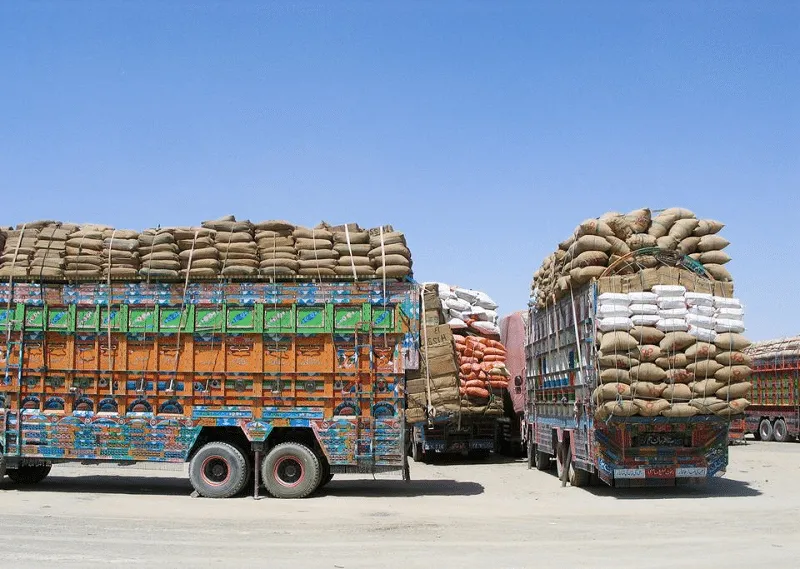
Why Pakistan Suspended Trade With Afghanistan
Pakistan has defended its decision to suspend bilateral and transit trade with Afghanistan, saying national security concerns outweigh the economic costs of keeping trade routes closed. However, the Ministry of Commerce has acknowledged that the move has reduced exports by around $1 billion and disrupted access to Central Asian markets.
Secretary Commerce Jawad Paul told the National Assembly Standing Committee on Commerce on Wednesday that the suspension was necessary to prevent further loss of human lives. The committee, chaired by Javed Hanif Khan, questioned the economic rationale behind the decision, particularly its impact on exports and regional connectivity.
The closure of these critical overland corridors affects long-standing commercial ties between the two neighboring nations. Officials maintain that border management and safety protocols must take precedence during periods of heightened security threats. Businesses relying on the Afghan transit route face prolonged uncertainty as authorities evaluate the security situation.
Economic Impact and Export Projections
The Commerce Secretary said Pakistan's total exports, including services, reached $40 billion in FY2025-26, while merchandise exports stood at approximately $32 billion. He expressed confidence that merchandise exports would increase to $35 billion in FY2026-27, with average monthly exports currently standing at around $2.9 billion. He also expected remittances to reach $55 billion following discussions with the State Bank of Pakistan.
Pakistan has also incurred a trade loss of $387 million between July and October due to regional conflicts and disruptions, including the Iran-US war and restrictions affecting trade with Afghanistan and Iran. Trade with Gulf countries has been affected, although the situation is gradually improving.
Disruptions to shipping and higher port charges have increased costs for exporters, particularly those shipping meat and other commodities. The government has arranged cargo vessels to facilitate supplies to Gulf markets.
How Iran Sanctions Affect Cross-Border Commerce
The Commerce Secretary said international sanctions on Iran had made bilateral trade difficult because banks were reluctant to process transactions over fears of violating restrictions. The government also closed the Gabd-Rimdan border crossing over sanctions-related concerns, although limited trade between Pakistan and Iran continues.
Some LPG consignments have arrived from Iran, but the possibility of supply disruptions remains a concern. LPG imports increased during July and October.
To facilitate exports to Central Asian countries through Iran, the government introduced an electronic form facility for Pakistani exporters. A similar relaxation had been provided last year for orange and potato exports through Iran to protect Pakistani companies from potential sanctions-related risks.
Meanwhile, Pakistan's exports of oranges and potatoes have also suffered from disruptions to Afghan trade routes.
Broader Regional Trade Challenges and Mitigation Steps
Regional conflicts, including the Iran-US war, continue to create severe bottlenecks for Pakistani exporters attempting to reach Middle Eastern and Central Asian markets. Higher port charges and unstable shipping schedules add financial strain to local enterprises already dealing with domestic economic pressures. Agricultural shipments, which depend heavily on timely delivery, face heightened risks of spoilage and financial loss due to these delays.
To counter shipping obstacles in the Gulf, state authorities have organized dedicated cargo vessels to maintain the flow of essential commodities. Exporters dealing in perishable goods such as meat rely heavily on these state-arranged logistical adjustments to keep their operations viable amid broader maritime disruptions.
Government officials continue to monitor banking restrictions tied to Iran to protect local financial institutions from secondary penalties. The introduction of electronic forms aims to streamline whatever trade channels remain open, giving businesses a safer framework for conducting cross-border transactions under strict international oversight.
Future Outlook for Pakistani Trade and Remittances
Despite current setbacks along western borders, economic planners maintain an optimistic view of overall foreign exchange inflows. Projected merchandise exports of $35 billion for FY2026-27 reflect anticipated growth in other global markets that can offset regional losses. Remittances expected to reach $55 billion provide a vital cushion for the national economy while trade routes remain restricted.
Parliamentary oversight committees continue to press trade ministries for detailed evaluations of how border closures affect domestic industries. Lawmakers stress the importance of balancing security mandates with the survival of export-oriented sectors that support thousands of jobs across the country. Future policy adjustments will depend heavily on security conditions along the Afghan frontier and developments in international sanctions.





