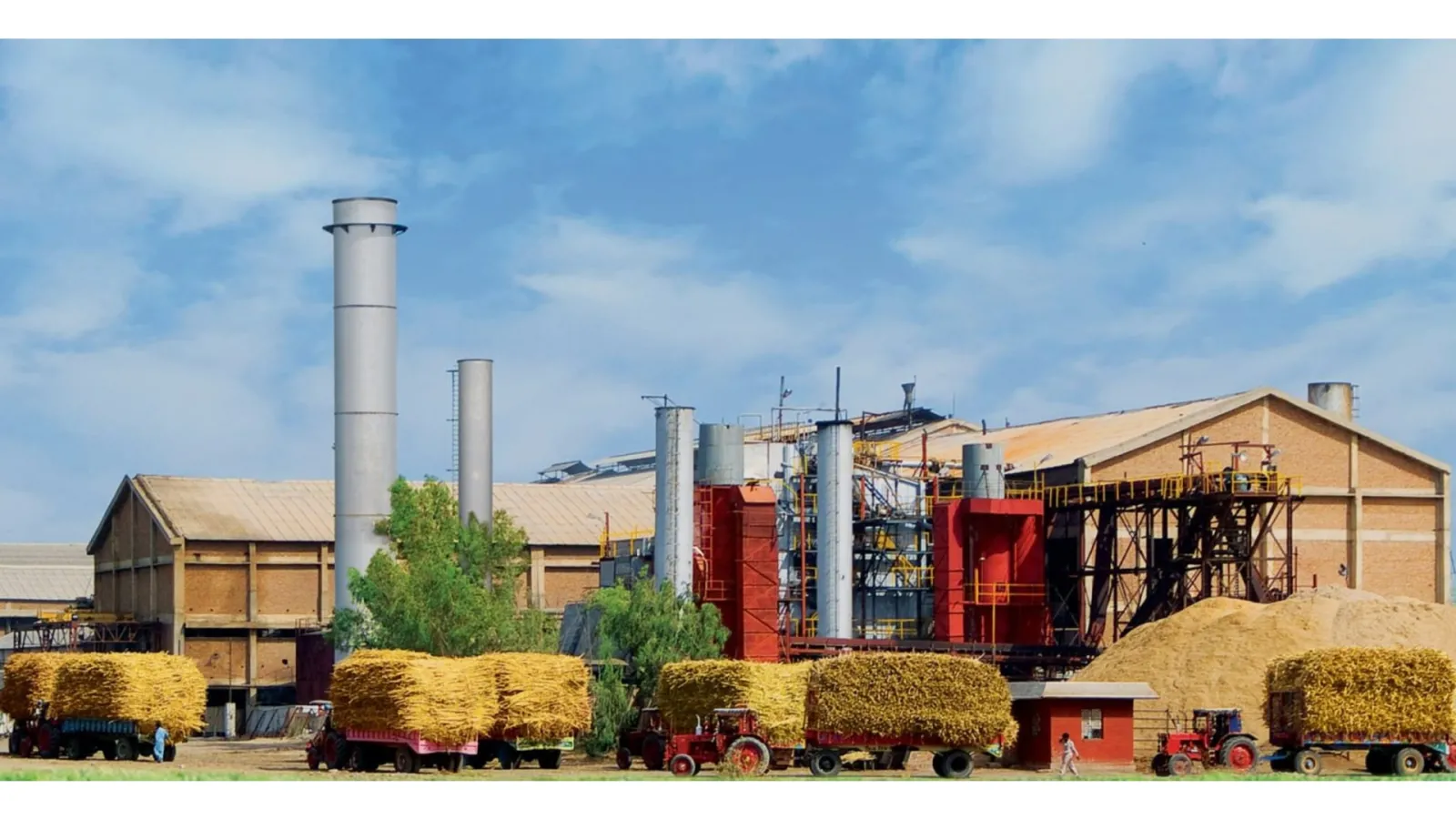
The Pakistan Sugar Mills Association (PSMA) voted unanimously on Wednesday to postpone the start of the new sugarcane crushing season until December, saying a large surplus of unsold sugar and delays in government export permission make an earlier start untenable.
The decision was taken at a PSMA General Body meeting held simultaneously in Lahore, Karachi and Islamabad, with mill owners from Punjab, Sindh and Khyber Pakhtunkhwa in attendance.
Why the Delay Matters for Pakistan's Sugar Industry
Pakistan produces roughly 7 million metric tons of sugar each year, a figure that has risen sharply over the past decade as growers expand acreage and mill capacity. When production outpaces domestic consumption, the government traditionally steps in to approve exports that can absorb excess stock. In the current cycle, the association reports a surplus of 1.1 million metric tons still sitting in warehouses.
That surplus persists even after the government approved the export of 200,000 tons, a figure that millers say has not yet been acted upon. Without clearance to move the approved quantity out of the country, mills risk further stock build-up, tighter cash flow and possible shutdowns.
Scale of the Current Sugar Surplus
According to PSMA, about 1.1 million metric tons of sugar remain unsold in storage facilities across the nation. The surplus represents roughly 15 percent of total annual output and is large enough to depress market prices, erode profit margins and increase debt levels for mill owners.
Industry analysts note that a surplus of this magnitude can trigger a cascade of effects: lower farmgate prices for cane growers, reduced earnings for transport operators, and higher costs for downstream users such as confectionery manufacturers who rely on stable sugar prices.
Millers' Two-Pronged Demand from the Government
The general body gave the PSMA Executive Committee authority to approach the federal government with two specific requests. First, they seek immediate permission to export an additional 400,000 metric tons of surplus sugar beyond the 200,000 tons already approved. Second, they are urging the government to announce a long-awaited deregulation policy for the sugar sector.
Deregulation, as defined by the Ministry of Finance, would replace the existing quota-based system with a more market-driven framework, allowing mills to respond faster to price signals and export opportunities. Millers argue that the current system, which requires case-by-case export licences, creates bottlenecks that exacerbate stock accumulation.
Potential Impact of Delayed Export Approvals
If the government does not act promptly, the association warns that another substantial surplus could materialise by the close of the 2026-27 crushing season. Such a scenario would increase financial pressure on mills, many of which are already operating with thin cash reserves after the COVID-19 pandemic and recent fluctuations in global sugar prices.
Financial institutions that lend to the sugar sector have already flagged rising non-performing loans linked to delayed revenue from unsold stock. A prolonged surplus could force some mills to seek restructuring or even consider temporary shutdowns, which would affect employment for thousands of workers in processing plants and ancillary services.
Next Steps Planned by PSMA
The association announced that mill owners will hold a press conference in Lahore on November 16 to outline their future course of action. In addition, PSMA intends to send a formal letter to the deputy prime minister requesting a meeting to discuss the sector's challenges, including export licensing and deregulation.
Stakeholders are watching closely for any official response, as the timing of export approvals will determine whether the crushing season can begin in early December as proposed, or be pushed further into the fiscal year.
Background: Pakistan's Sugar Policy and Past Seasons
Pakistan's sugar sector is governed by the Sugar Policy, a set of regulations that sets production caps, export quotas and price controls. The policy is reviewed every two years, but implementation often lags due to bureaucratic procedures. In the 2020-21 season, a similar surplus of about 900,000 tons led the government to approve a one-time export of 250,000 tons, which helped stabilise prices but did not fully clear warehouses.
Historically, when the government has acted swiftly to grant export licences, surplus levels have fallen within a few months, allowing a new crushing cycle to start on schedule. The current delay breaks that pattern and raises concerns about the effectiveness of policy coordination.
What Deregulation Could Change
Deregulation would likely remove the quota system that limits how much each mill can export annually. Instead, mills would be able to sell surplus sugar on the open market, subject only to quality standards and customs procedures. This shift could encourage more competitive pricing, attract foreign buyers and reduce the need for government intervention.
Critics of deregulation warn that without caps, large mills could dominate export markets, potentially marginalising smaller producers. The debate is ongoing, and the PSMA's push for a policy announcement reflects the urgency felt by the industry.
Practical Takeaways for Stakeholders
- Mill owners should prepare documentation for the additional 400,000-ton export request and monitor official channels for licence issuance.
- Cane growers may need to adjust planting decisions if the crushing season is delayed, as delayed processing can affect cane quality.
- Importers and downstream manufacturers should watch price trends, as a prolonged surplus could lead to lower domestic sugar prices.
- Financial institutions are advised to review loan covenants with sugar-sector clients in light of potential cash-flow constraints.
What to Watch for After the November 16 Press Conference
Key indicators will include any official statement from the deputy prime minister's office, the issuance of export licences for the approved 200,000 tons, and the government's timeline for the deregulation policy. Observers will also track warehouse stock levels weekly, as they provide a real-time gauge of whether the surplus is being reduced.
Until those signals emerge, the industry is likely to maintain the December start date for the new crushing season, a decision that reflects both market realities and the need to protect the financial health of Pakistan's sugar mills.





