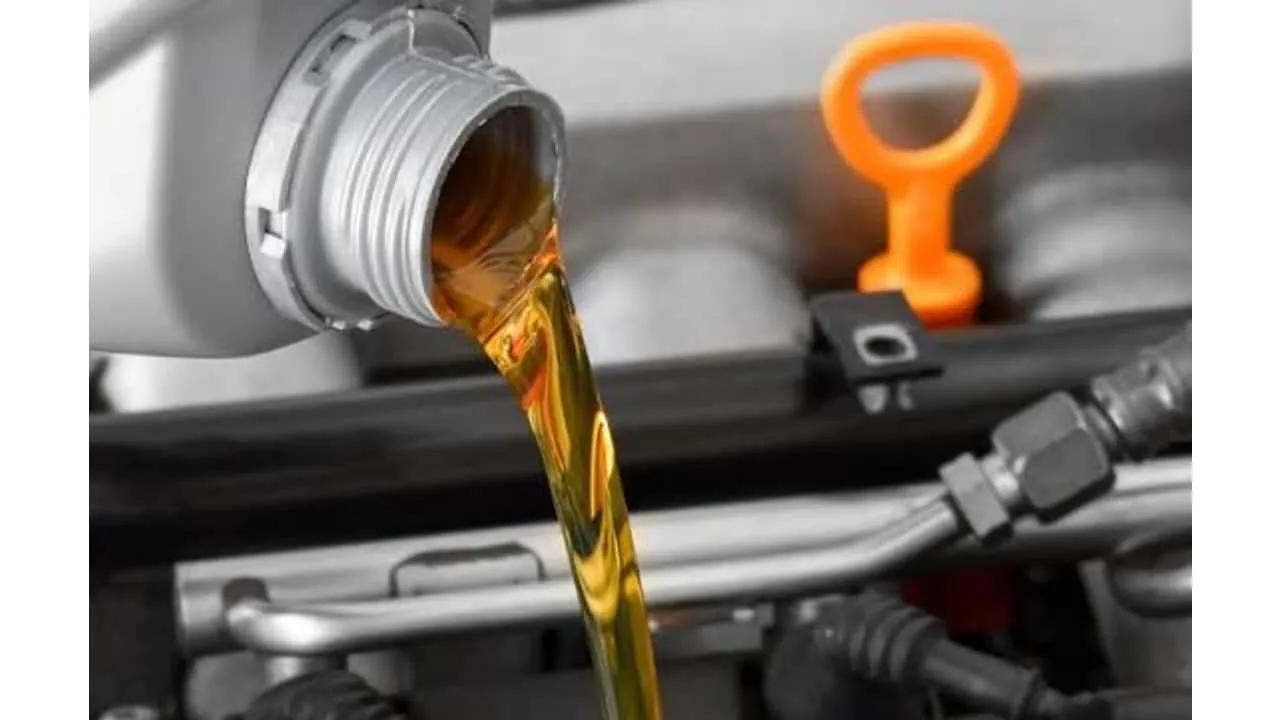
Pakistan's market is flooded with nearly 150 million liters of counterfeit lubricants annually, accounting for around 35 percent of the country's 450 million liter lubricant market and resulting in massive tax evasion, industry representatives told a Senate committee.
The Senate Standing Committee on Cabinet Secretariat on Thursday also raised concerns over widespread fuel smuggling and adulteration, which are estimated to cost the national exchequer between Rs. 1 billion and Rs. 1.5 billion daily. The illicit trade is also damaging vehicle engines and worsening environmental pollution.
Why Counterfeit Lubricants Matter
Counterfeit lubricants are typically produced in unregulated facilities, using sub-standard base oils and additives. When mixed with genuine products, they lower viscosity, increase wear, and cause premature engine failure. For a country whose automotive fleet exceeds 30 million vehicles, the cumulative impact translates into higher maintenance costs for owners, increased downtime for commercial fleets, and a rise in roadside breakdowns.
Beyond mechanical damage, the lower quality of these oils contributes to higher emissions of particulates and unburned hydrocarbons, aggravating air-quality problems in densely populated cities such as Karachi and Lahore. Environmental groups have linked the rise in illegal oil use to spikes in soil contamination near informal storage sites.
Scale of Fuel Smuggling and Its Fiscal Impact
Fuel smuggling in Pakistan has a long history, dating back to the 1990s when porous border controls allowed large volumes of subsidised gasoline to be diverted to neighboring markets. The Senate's estimate of Rs. 1 billion to Rs. 1.5 billion lost each day reflects both the evasion of excise duties and the loss of revenue from the sales tax that fuels the federal budget.
According to the Ministry of Finance, the national exchequer relies on fuel taxes for roughly 15 percent of its annual revenue. A daily loss of up to Rs. 1.5 billion therefore represents a shortfall of more than Rs. 500 billion per year, a sum that could otherwise fund health, education, or infrastructure projects.
Government Moves Against Illicit Fuel Trade
The Oil and Gas Regulatory Authority (OGRA) chairman and Petroleum Division officials informed the committee that key blending solvents had been placed on the controlled list. They also said proposals to allow used oil imports had been firmly opposed.
Officials added that joint enforcement raids with district administrations would be intensified whenever the industry provided actionable intelligence.
What the Controlled List Means
The controlled list designates chemicals that can only be purchased with a licence issued by the Ministry of Commerce. By restricting access to solvents used to dilute or adulterate fuel, the government hopes to cut the supply chain that fuels the black market.
Enforcement Coordination
District administrations, through their Excise and Taxation offices, now have a clear mandate to cooperate with OGRA during surprise inspections. The joint raids are expected to target storage depots, tanker yards, and unofficial fuel stations that lack proper licensing.
Digitalisation of Oil Marketing Companies (OMCs)
The committee was also briefed on the proposed implementation of a digitalisation requirement linked to the Rs. 1.22 per liter increase in oil marketing companies' (OMCs) margins. The federal cabinet had previously made the increase conditional on 100 percent supply chain digitalisation.
OGRA and the Petroleum Division are finalising a pro rata formula for cabinet approval under which OMCs would receive a share of the approved increase based on their verified level of digitalisation by a specified deadline.
Industry representatives said companies had already invested approximately Rs. 1.5 billion in tracking tank lorries, storage depots, and retail outlets. However, they attributed delays to import lead times of 12 to 16 weeks for automated tank gauges and nozzles.
How the Pro Rata Formula Works
Each OMC will be audited against a digital-tracking checklist that includes GPS-enabled tanker monitoring, electronic inventory management at depots, and point-of-sale data capture at retail pumps. The percentage of completed items will determine the fraction of the Rs. 1.22 per litre margin uplift that the company can claim.
Impact on Consumers
When fully implemented, digitalisation should reduce opportunities for diversion and adulteration, stabilising retail prices and ensuring that the margin increase is passed on only to legitimate operations. Consumers may see a marginal price rise, but the government expects the net effect to be a healthier fiscal balance.
Regulatory Bottlenecks in Balochistan
Lawmakers reviewed administrative delays between OGRA and district administrations in issuing No Objection Certificates (NOCs) for authorised fuel stations in Balochistan.
The chair announced a joint follow-up meeting next week involving the Finance and Petroleum ministries, FBR, OGRA, and the Senate Standing Committees on Finance and Petroleum to address pending sales-tax refunds, margin and exchange-rate formulas, and outstanding NOC clearances.
Why NOCs Matter
A No Objection Certificate is a prerequisite for a fuel station to operate legally. It confirms that the proposed site complies with safety, environmental, and zoning regulations. Delays in issuing NOCs have forced many legitimate operators to function informally, creating a grey market that smugglers can exploit.
Proposed OGRA Amendment Ordinance/Bill, 2026
Separately, the cabinet secretary briefed the committee on the proposed Oil and Gas Regulatory Authority (Amendment) Ordinance/Bill, 2026. The amendments aim to prevent OGRA from becoming dysfunctional during prolonged appointment processes by introducing an interim arrangement, such as assigning additional charge to an eligible senior civil servant until a permanent chairman is appointed.
The committee deferred consideration of the bill and an in-camera briefing by the Special Technology Zones Authority (STZA) until its next meeting.
What the Interim Arrangement Entails
Under the amendment, if the position of OGRA chairman remains vacant for more than 90 days, the senior most officer in the authority will be given 'additional charge' to ensure continuity of regulatory oversight. This is intended to avoid lapses in enforcement during political transitions.
What Comes Next
The Senate's next session will review the outcomes of the joint enforcement raids, the progress of digitalisation audits, and the status of pending NOCs in Balochistan. A final version of the pro rata margin formula is expected to be tabled for cabinet approval before the end of the fiscal year.
Stakeholders are advised to monitor announcements from OGRA, the Petroleum Division, and the Finance Ministry for updates on the rollout schedule of automated tracking equipment and the timeline for the OGRA amendment's parliamentary passage.





