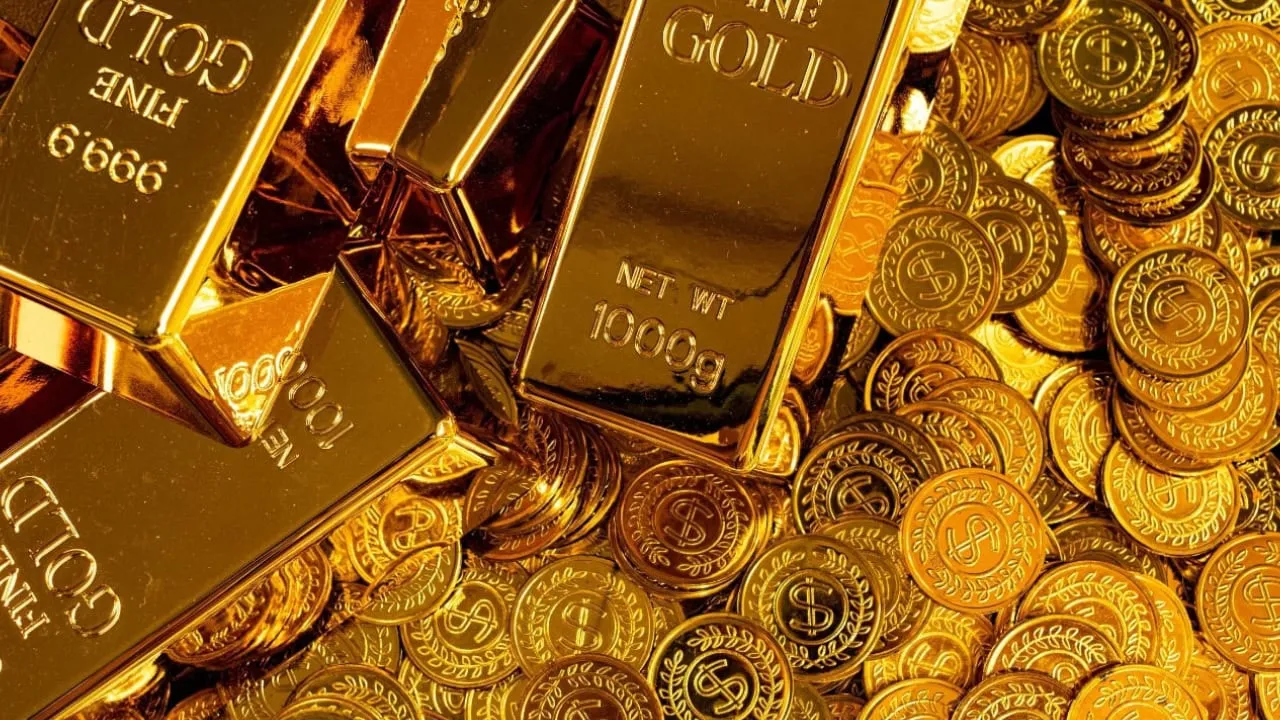
Understanding the Surge in Precious Metal Rates
Precious metal markets are experiencing intense volatility driven primarily by stalled diplomatic talks between the United States and Iran. President Trump recently demanded historical conflict compensation from Tehran, which effectively freezes ongoing peace negotiations. This sudden diplomatic deadlock crushes any immediate hope of reopening the Strait of Hormuz, a critical maritime chokepoint for global energy supplies. Consequently, spiking global oil prices fuel fresh inflation fears across international markets. Anxious investors respond to these mounting geopolitical risks by aggressively buying gold and silver as reliable safe-haven assets.
In Pakistan, these powerful international economic shocks transmit directly into domestic markets, pushing local prices of these precious assets sharply higher. Local Sarafa markets constantly adjust their rate sheets throughout the day to absorb these macroeconomic hits. Buyers and sellers alike navigate a fast-moving trading environment where international currency fluctuations and geopolitical headlines dictate daily valuations. The interconnected nature of global commodities means that diplomatic friction thousands of miles away instantly alters the cost of precious metals in local jewelry bazaars.
Current Gold and Silver Rates in Pakistan
Domestic rates reflect the intense upward pressure originating from international exchanges. For 24-karat gold, the current market rates across local bullion centers stand at significant highs. A single per tola of gold costs Rs. 427,220, while 10 grams of the precious yellow metal are priced at Rs. 366,278.90. For smaller transactions, a single gram of 24-karat gold trades at Rs. 36,627.89.
Silver follows a similar upward trajectory, providing a parallel asset class for local investors seeking protection against currency depreciation. The local rate for a per tola of silver is Rs. 5,531.75. For those purchasing smaller quantities, 10 grams of silver cost Rs. 4,742.67, while a single gram is valued at Rs. 474.267. These figures change frequently as local dealers recalibrate their inventories against incoming data from global trading desks.
International Spot Market Valuations for Gold and Silver
Global bullion exchanges set the baseline for domestic pricing structures. Spot gold currently trades at $4,122.39 per troy ounce, reflecting robust institutional demand fueled by inflation hedges and geopolitical anxiety. Meanwhile, spot silver commands $53.377 per troy ounce on international markets.
These global valuations move in tandem with macroeconomic indicators such as treasury yields, currency indexes, and central bank reserve policies. When political instability threatens energy supplies, institutional traders rotate capital out of equities and into bullion. This massive capital rotation establishes the high baseline prices that eventually filter down to regional markets like Pakistan.
Geopolitical Tensions and the Strait of Hormuz Chokepoint
The root cause of the current market turbulence lies in the Persian Gulf. The Strait of Hormuz handles a massive share of the world petroleum trade, making it one of the most vital geographic passages on earth. When negotiations between Washington and Tehran break down, shipping insurers and energy traders immediately price in the risk of military conflict or blockades.
President Trump's demand for historical conflict compensation from Tehran halted diplomatic channels that had previously kept regional tensions subdued. With peace talks frozen, the likelihood of a swift resolution vanishes. Energy markets react violently to supply disruption fears, and the resulting crude oil price spikes inevitably spark broader inflationary spirals that drive investors toward physical commodities.
How Inflation Fears Drive Safe-Haven Investing
Inflation erodes the purchasing power of fiat currency, prompting wealth holders to seek tangible stores of value. Gold and silver have served this defensive function for centuries, preserving capital during periods of monetary debasement and political crisis. When geopolitical shocks threaten global economic stability, retail and institutional investors alike increase their allocations to bullion.
This behavior creates a self-reinforcing cycle on trading floors. As more capital flows into precious metals, spot prices climb higher, attracting even more momentum buyers. Local market participants in Pakistan experience this phenomenon through sudden price gaps and heightened trading volumes in physical bars, coins, and jewelry.
The Role of Local Sarafa Markets in Price Discovery
Sarafa markets act as the primary financial transmission mechanism for precious metals within Pakistan. Jewelers and bullion traders monitor international London and New York spot quotes in real time, converting foreign currency values into local rupees. They factor in import logistics, local demand dynamics, and currency exchange rates before publishing the daily rate sheet.
Because international shocks occur around the clock, local markets must remain agile. A sudden headline regarding Middle Eastern diplomacy can alter valuations before the trading session closes. Consumers looking to buy or sell must stay informed about these rapid shifts to execute transactions at fair market value.





