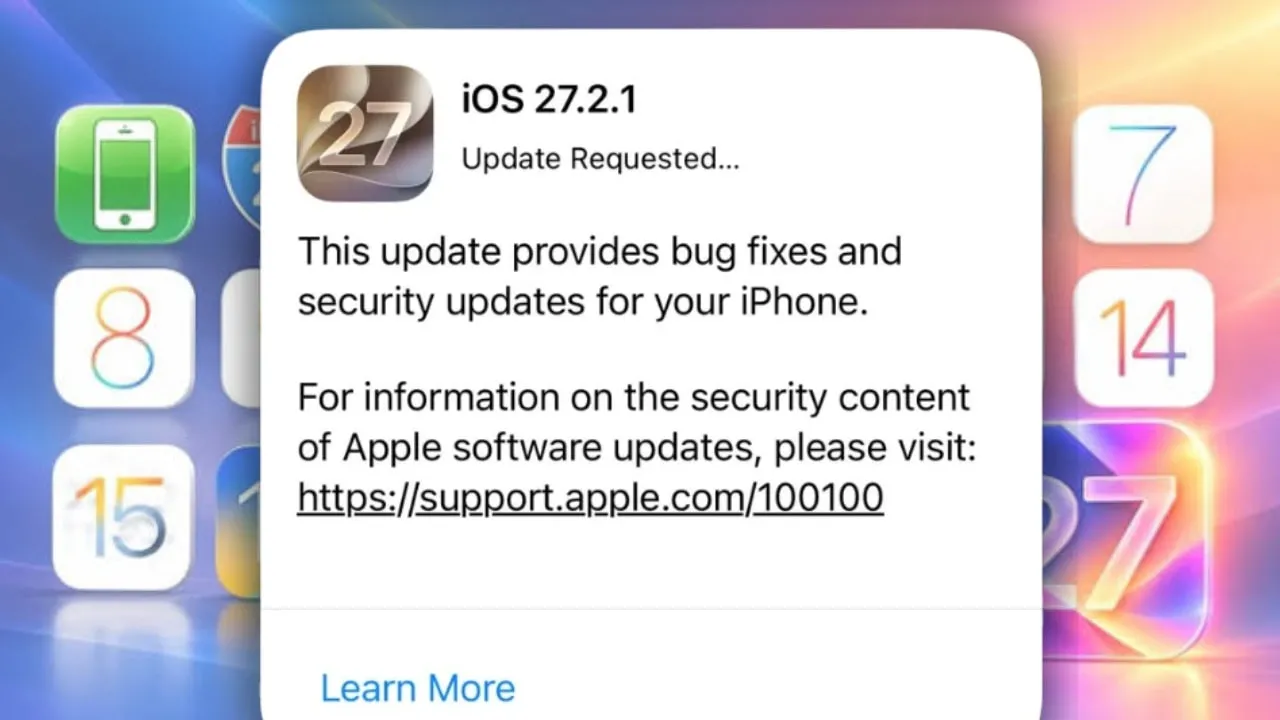
Apple Releases iOS 27.2.1 to Address Critical Security Flaws
Apple released iOS 27.2.1, iPadOS 27.2.1, and macOS 27.2.1 on Monday, bringing essential security updates to users worldwide. These new software packages address several concerning vulnerabilities that affected core features across iPhones, iPads, and Mac computers. Security teams discovered multiple flaws spanning communication protocols, wireless connections, and developer command line utilities.
Installing these updates protects devices against potential exploitation, particularly now that vulnerability details are publicly available on Apple security pages. Users face heightened risks on unpatched hardware, making prompt installation necessary across all compatible devices.
Understanding the Critical iMessage Vulnerabilities
The most alarming issues resolved in this update target iMessage, Apple proprietary messaging service used by hundreds of millions of people globally. Two distinct bugs undermined the fundamental privacy expectations of group conversations on the platform. The first flaw allowed a remote attacker to join a group chat without authorization and receive all messages exchanged within that group. A second related iMessage bug permitted users to view messages transmitted before they officially joined a group conversation.
These messaging flaws strike at the heart of secure communication standards. Group messaging relies heavily on encrypted boundaries and strict membership controls to maintain user trust. When unauthorized entities gain entry or access historical chat logs, the confidentiality agreement between participants breaks down entirely. The new software patch restores proper membership validation and secures group archives against unauthorized inspection.
Bluetooth and AirPlay Security Flaws Explained
Beyond messaging platforms, the software updates fix multiple vulnerabilities centered on Bluetooth and AirPlay connections. One dangerous Bluetooth flaw allowed a malicious device to pair with an iPhone or iPad without requiring any user interaction or approval. Another Bluetooth bug enabled a nearby attacker to corrupt process memory on the targeted device, threatening system stability and data integrity.
AirPlay functionality also contained significant security gaps prior to this release. Several vulnerabilities permitted attackers to bypass the standard rate limit on pairing code attempts. Under normal conditions, rate limiting protects devices against rapid guessing attacks by locking out repeated incorrect entries. Removing this throttling meant an attacker could brute-force AirPlay pairing codes rapidly until finding the correct combination.
Internal Discovery and Exploitation Status
Apple security personnel found four of the vulnerabilities internally before outside researchers identified them. This internal discovery highlights ongoing efforts by corporate engineering teams to audit proprietary codebases continuously. Catching flaws before public disclosure reduces the window of vulnerability for everyday consumers.
However, Apple did not state whether any of these specific flaws had been exploited in the wild by malicious actors. Public availability of vulnerability details via official security content pages increases urgency for system administrators and individual users. Unpatched hardware remains an appealing target for attackers seeking to exploit documented weaknesses.
Fixing the eMudhra Certificate Issue in macOS Command Line Tools
The macOS 27.2.1 update delivers an additional fix that developers and system administrators have awaited for weeks. Apple addressed the eMudhra certificate vulnerability within command line tools. Back in October, security researchers discovered that private keys belonging to eight intermediate certificate authorities operated by Indian company eMudhra had been compromised. Possession of these keys allowed unauthorized entities to forge valid HTTPS certificates for any website on the internet.
Apple moved quickly in October to block the compromised certificates within Safari, Mail, and applications using standard networking frameworks. However, command line tools such as Git, curl, Python 3, Ruby, Perl, and OpenSSL continued accepting the compromised certificates. These utilities validate security certificates against separate configuration files that fail to check Apple block lists or revocation status.
Consequently, the previous macOS 27.2 update released in late October left this security gap open. Developers using Git to pull code repositories or curl to download software packages remained exposed to potential man-in-the-middle attacks. The new macOS 27.2.1 update finally closes this gap by implementing necessary protections for command line tools.
How to Install the Latest Apple Updates
Apple recommends updating all compatible devices as soon as possible to maintain system security. Users can complete the installation process directly through device settings menus without needing external hardware.
- On iPhone and iPad, open Settings, tap General, and select Software Update.
- On Mac computers, open System Settings, click General, and select Software Update.