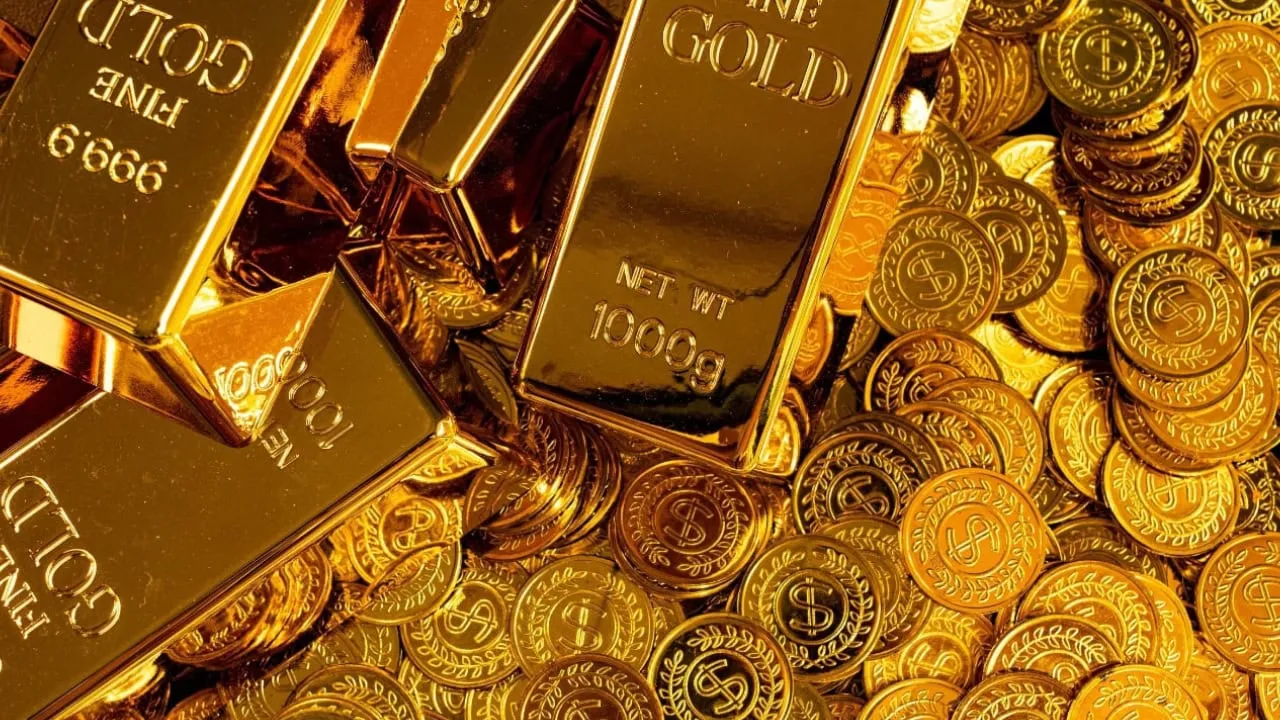
How US-Iran Tensions Impact Pakistan Gold and Silver Prices
Stalled diplomatic negotiations between the United States and Iran are currently driving significant volatility in global precious metals markets. President Trump recently demanded historical conflict compensation from Tehran, which effectively freezes ongoing peace talks. This sudden deadlock crushes any immediate hope of reopening the Strait of Hormuz, a critical waterway for global energy shipments. Consequently, spiking global oil prices fuel fresh inflation fears worldwide, pushing anxious investors to aggressively buy safe-haven assets. In Pakistan, these international shocks push local prices of these assets sharply higher, forcing local Sarafa markets to constantly adjust prices to absorb these macroeconomic hits.
The domestic bullion market in Pakistan reacts instantly to shifts in international commodity benchmarks. When geopolitical risks escalate in the Middle East, foreign investors retreat from riskier equities and pour capital into bullion. Because Pakistan imports a vast majority of its precious metal needs or tracks international bullion benchmarks closely, foreign price movements translate directly into domestic costs. Local jewelers and traders monitor foreign currency exchange rates alongside global spot values to set daily domestic tariffs.
Today Gold and Silver Rates in Pakistan
Local Sarafa markets across Pakistan released the latest tariff schedules reflecting the international market pressures. Buyers and investors tracking the domestic market must account for these updated figures when purchasing bullion for investment or jewelry purposes. The rates apply to standard 24-karat purities traded across commercial trading hubs in the country.
Here is a breakdown of the Gold and Silver rates in Pakistan today:
- Gold 24K Per Tola: Rs. 421,896
- Gold 24K Per 10 Grams: Rs. 361,714.30
- Gold 24K Per 1 Gram: Rs. 36,171.43
- Silver 24K Per Tola: Rs. 5,460.72
- Silver 24K Per 10 Grams: Rs. 4,681.76
- Silver 24K Per 1 Gram: Rs. 468.176
These figures demonstrate the immediate domestic response to foreign market volatility. Retail buyers often face adjusted making charges on top of these base bullion rates when purchasing finished jewelry from local artisans.
Global Precious Metal Spot Rates
International commodity exchanges dictate the baseline value for bullion before local duties and currency conversions apply. The current geopolitical standoff in the Middle East directly influences these global spot valuations. Market analysts watch troy ounce metrics closely to gauge the broader economic sentiment.
Here is a breakdown of the international rates for today:
- Spot Gold: $4,048.36 per troy ounce
- Spot Silver: $52.40 per troy ounce
These global rates reflect heightened safe-haven demand as institutional investors hedge against potential energy shocks and inflationary pressures. The closure of key shipping lanes creates supply chain anxieties that keep commodity valuations elevated.
The Role of Oil Prices and Inflation Fears
Energy markets act as a primary transmission mechanism for geopolitical conflict into consumer price indices. When conflict threatens Middle Eastern energy corridors, petroleum costs surge rapidly across international exchanges. Higher fuel expenses raise transportation and manufacturing costs across every sector of the global economy. Central banks often struggle to contain the resulting inflation spikes using monetary policy alone. Investors respond to this currency devaluation risk by hoarding physical bullion to preserve their purchasing power.
Pakistan remains particularly vulnerable to imported energy inflation due to its reliance on foreign oil imports. When global crude prices climb, domestic currency reserves face severe depletion, which weakens local purchasing power against foreign currencies. This domestic currency depreciation compounds the effect of rising international bullion values, pushing domestic gold and silver rates even higher than foreign spot increases might suggest on their own.
Understanding Sarafa Market Adjustments
Local Sarafa associations serve as the traditional arbiters of precious metal pricing within Pakistan. Jewelers and bullion dealers rely on these daily rate sheets to conduct fair trade. Because geopolitical events unfold around the clock, market conditions can shift rapidly between morning opening bells and evening closing hours. Dealers must remain vigilant to protect their profit margins against sudden currency and commodity fluctuations.
Retail consumers engaging with local Sarafa markets should verify rates directly with certified dealers before finalizing transactions. Bullion trading involves specific purity standards, and buyers must ensure they receive proper certification for 24-karat purchases. As geopolitical tensions persist, market watchers expect continued volatility in both local and international precious metal valuations.





