Winning an international customer order is only the start of the journey for a Pakistani online seller. Getting the parcel delivered, clearing customs, handling payments, and managing returns can decide whether a cross-border sale is profitable or a costly mistake. That hard truth sits at the centre of a growing conversation about why Pakistan export ambitions have not yet matched the country,s real potential.
Pakistan,s digital commerce industry is expanding rapidly, yet the physical infrastructure supporting international trade struggles to keep pace. While larger corporations possess the resources to negotiate bulk shipping rates, independent artisans and small retail brands face steep financial hurdles. Examining the underlying causes of these bottlenecks reveals how policy reforms and strategic partnerships might reshape the future of digital commerce in the region.
A Market Growing Fast but Held Back by Old Infrastructure
Pakistan,s e-commerce transaction value rose by 1,400 percent between FY2019 and FY2024, according to the Ministry of Commerce,s draft e-Commerce Policy 2.0. The digital commerce market reached $7.8 billion in 2025 and is growing at more than 30 percent annually, making it one of the fastest-growing markets of its kind in Asia. Yet the physical networks beneath that growth have not kept pace with demand.
Logistics expenses within the country account for roughly 12 to 14 percent of total product value, significantly higher than the 8 percent global average. For a small seller shipping handmade goods or fashion items to a buyer in the United Kingdom or the Gulf, that financial gap eats directly into the profit margin. Without modern freight networks, local enterprises struggle to compete on equal terms with international rivals.
What Are the Core Gaps in Pakistan Export Logistics?
Several distinct operational failures prevent local entrepreneurs from scaling their international shipments effectively. These obstacles cluster around four primary areas that impact daily business operations.
Shipping Costs That Crush Small Orders
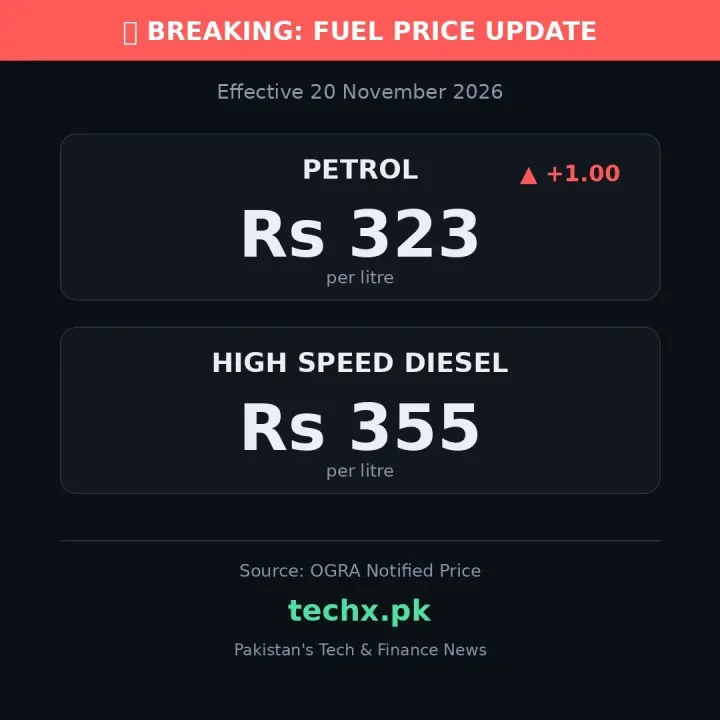
Shipping rates can severely damage profit margins, driven higher by fuel surcharges, limited airline capacity, and shifting global freight conditions. These challenges are especially serious for small and medium-sized enterprises and emerging digital brands, which lack the freight efficiencies and specialised teams available to larger exporters. A big exporter ships entire containers and negotiates favourable rates, whereas a small seller ships one parcel at a time and pays retail freight prices.
The Returns Problem Nobody Talks About
Product returns represent a hidden danger for cross-border digital trade. According to SkyNet Worldwide Express Pakistan, when an international parcel is returned to the country, it is treated as a fresh import for customs purposes, potentially triggering duties and additional fees despite having originally left the country as a certified export. For smaller businesses, this administrative reality can make international e-commerce extremely difficult to sustain over time.
This structural complication is frequently overlooked in mainstream discussions regarding national export growth. A 10 to 15 percent return rate is entirely normal in global fashion retail. If every returned item triggers a fresh import duty, that percentage becomes a business-ending cost for an independent merchant.
Complex Customs and Documentation
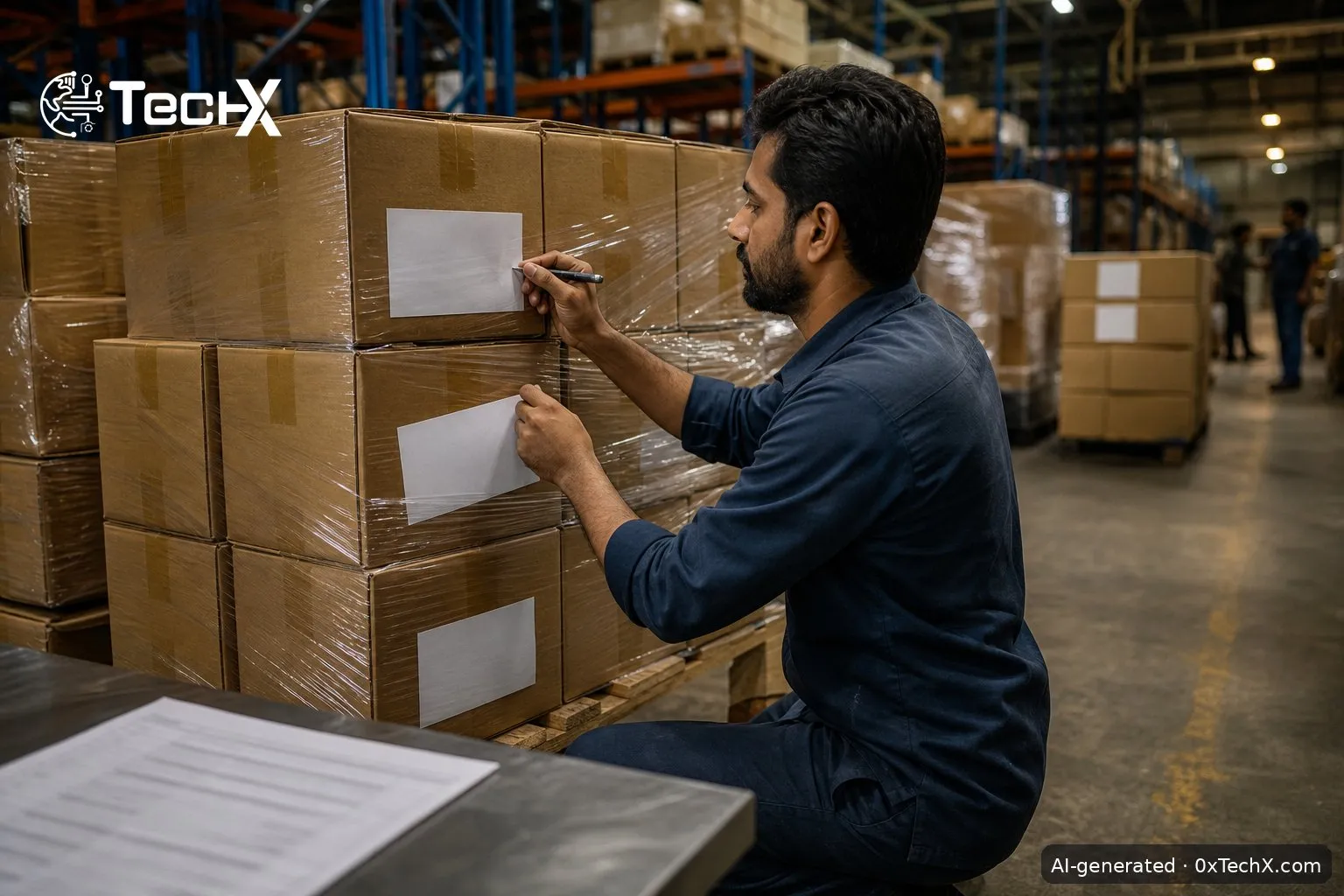
Cross-border trade is hindered by complicated export paperwork and limited technical interoperability with international customs systems. Navigating formal business registration, tax compliance for online sales, and foreign trade regulations can be daunting for small operators. Documentation delays frequently lead to missed delivery windows, and late arrivals often mean losing customers permanently.
Payment Gaps Add Another Layer of Loss
An estimated $1.6 billion is lost annually due to cross-border payment gaps, including cart abandonment, transfer delays, and high transaction costs. Small and medium-sized enterprises are particularly affected by these financial inefficiencies. Until merchants can receive international payments cheaply and quickly, the entire cross-border trade chain remains fragile.
Logistics Must Become Core Infrastructure
A fundamental mindset shift is required across the commercial sector to address these systemic hurdles. The critical change is that supply chain management must transition from being treated as a final administrative step after a sale to becoming a foundational part of corporate operational planning.
By September 2026, freight activity in both Karachi and Lahore had reached or surpassed levels recorded during the entirety of the previous year, demonstrating that genuine international demand exists. However, raw shipment volume alone does not solve structural deficiencies. Currently, rural last-mile delivery remains costly, warehousing and addressing systems are fragmented, reverse logistics networks are weak, and shipment transparency varies widely across the supply chain.
Pakistani sellers who successfully sell on Amazon platforms in the United Kingdom, United States, and Gulf markets often work around these domestic gaps by partnering with foreign-registered entities and third-party logistics providers abroad. Local manufacturers and traders frequently establish United States LLC formations, work with international freight forwarders, and use overseas fulfillment centers. While this provides a creative workaround, it introduces additional expenses and administrative complexity that most small-scale entrepreneurs cannot easily manage.
What the Government Plans to Do
The Ministry of Commerce e-Commerce Policy 2.0 covers the period from 2025 to 2030 and explicitly acknowledges many of these operational bottlenecks. The framework focuses on establishing export consolidation hubs, dedicated trade corridors, and formal partnerships with logistics providers to improve cross-border fulfillment. Proposed measures include simplified export procedures for low-value parcels, enhanced tracking systems, and dedicated customs lanes.
Customs regulations have been revised to permit bulk outward shipping for small vendors, and tax exemptions previously granted exclusively to information technology freelancers have been extended to certified digital exporters. These represent concrete steps forward, but the speed of implementation remains the primary concern for active merchants. The State Bank of Pakistan also influences this ecosystem, as foreign currency settlement policies and remittance frameworks dictate how efficiently export revenues return to domestic accounts.
The Future Outlook for Digital Exporters
Despite these considerable challenges, the overall commercial opportunity remains substantial. The Pakistan Economic Survey 2024-25 revealed that information technology and related services exports increased by 23.7 percent year-on-year, reaching $2.825 billion between July and March of fiscal year 2025. Physical product exports routed through digital channels possess similar growth potential, provided the underlying supply chain network improves accordingly.
The central question is whether the national trade ecosystem can make international commerce accessible to smaller businesses. At present, the reality is that the infrastructure is still catching up, though the strategic direction is encouraging. Merchants who build their operational knowledge and secure reliable international partnerships today will find themselves better positioned when domestic logistics fully mature.