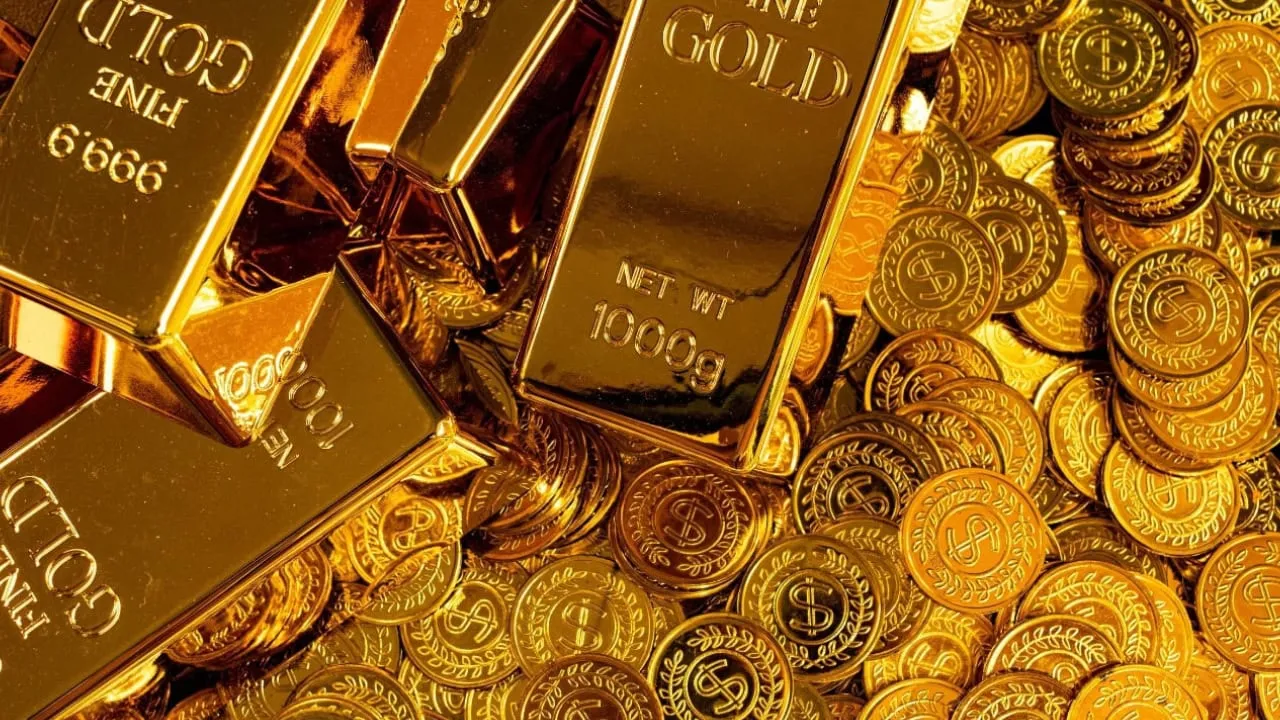
Understanding Gold And Silver Market Dynamics In Pakistan
Precious metal markets in Pakistan often experience rapid shifts due to a complex mix of international geopolitical tensions, currency fluctuations, and domestic demand. When global events disrupt major supply chains or spark inflation fears, investors typically turn to safe-haven assets. This behavior directly influences local Sarafa markets, where merchants constantly adjust rates for gold and silver to reflect international spot prices and currency exchange values against the US dollar.
The domestic pricing structure relies heavily on international benchmarks per troy ounce, which are then converted into local units such as tolas and grams. A tola is a traditional South Asian unit of mass equal to 11.664 grams, and it remains the standard measurement for retail gold and silver transactions across Pakistan. Local jewelers and bullion dealers monitor these metrics daily to ensure fair trading values for consumers, investors, and industrial buyers.
How Geopolitical Tensions Drive Precious Metal Prices
Recent developments in international diplomacy have created substantial turbulence in global commodity markets. Stalled negotiations between the United States and Iran have injected fresh uncertainty into foreign policy discussions. President Trump recently demanded historical conflict compensation from Tehran, a condition that effectively freezes ongoing peace talks between the two nations.
This diplomatic deadlock immediately diminishes any short-term optimism regarding the reopening of the Strait of Hormuz. As a critical maritime oil transit choke point, any disruption or prolonged closure in the Strait of Hormuz sends shockwaves through global energy markets. Spiking global oil prices quickly translate into renewed inflation fears across major economies, prompting anxious investors to aggressively buy gold and silver as safe-haven assets to protect their capital from currency devaluation.
Current Gold And Silver Rates In Pakistan
As international shocks ripple through local financial ecosystems, Pakistan markets experience direct adjustments. Local Sarafa markets constantly adapt their pricing sheets to absorb these macroeconomic hits. For buyers and sellers tracking the market today, exact rates have been established across standard local and metric units.
Here is a breakdown of the gold and silver rates in Pakistan today:
- Gold 24K Per Tola: Rs. 403,041
- Gold 24K Per 10 Grams: Rs. 345,549.00
- Gold 24K Per Gram: Rs. 34,554.90
- Silver 24K Per Tola: Rs. 5,058.92
- Silver 24K Per 10 Grams: Rs. 4,337.28
- Silver 24K Per Gram: Rs. 433.728
International Spot Rates And Global Benchmarks
Domestic bullion prices do not exist in isolation, deriving their baseline figures directly from international spot markets. Commodity traders watch London and New York exchanges closely for immediate valuation metrics. Troy ounces serve as the universal standard for these global precious metal transactions.
Here is a breakdown of the international rates for today:
- Spot Gold: $3,885.24 per troy ounce
- Spot Silver: $48.767 per troy ounce
These international spot figures dictate the import parity pricing for Pakistan. When spot prices fluctuate abroad due to currency shifts or geopolitical events, local markets respond almost instantaneously during trading hours.
Impact On Local Investors And Consumers
The constant fluctuation of precious metal rates affects various segments of the population differently. Retail consumers looking to purchase jewelry for weddings and cultural events often face higher budgeting hurdles when rates surge. Conversely, individual investors who hold bullion as a hedge against inflation monitor these daily figures to time their market entry or exit strategies.
Small businesses and local artisans who rely on gold and silver for manufacturing face operational adjustments. Higher input costs require careful inventory management and pricing strategies to maintain business viability in a volatile economic environment. Meanwhile, retail buyers must stay informed by checking daily Sarafa association updates before finalizing any major transactions.
What To Watch For In Future Precious Metal Markets
Market participants should monitor several key indicators in the coming days to anticipate future price directions. Diplomatic signals from Washington and Tehran will remain a primary driver of risk sentiment in the energy and metal sectors. Any unexpected breakthrough or escalation in the region will likely trigger immediate reactions in international spot trading.
Additionally, traders should keep a close eye on global inflation data and central bank monetary policies. Currency strength, particularly the relative value of the Pakistani rupee against the US dollar, will continue to play a decisive role in determining local retail prices. Staying updated with daily market trends ensures that both seasoned investors and retail buyers can make informed financial decisions.





