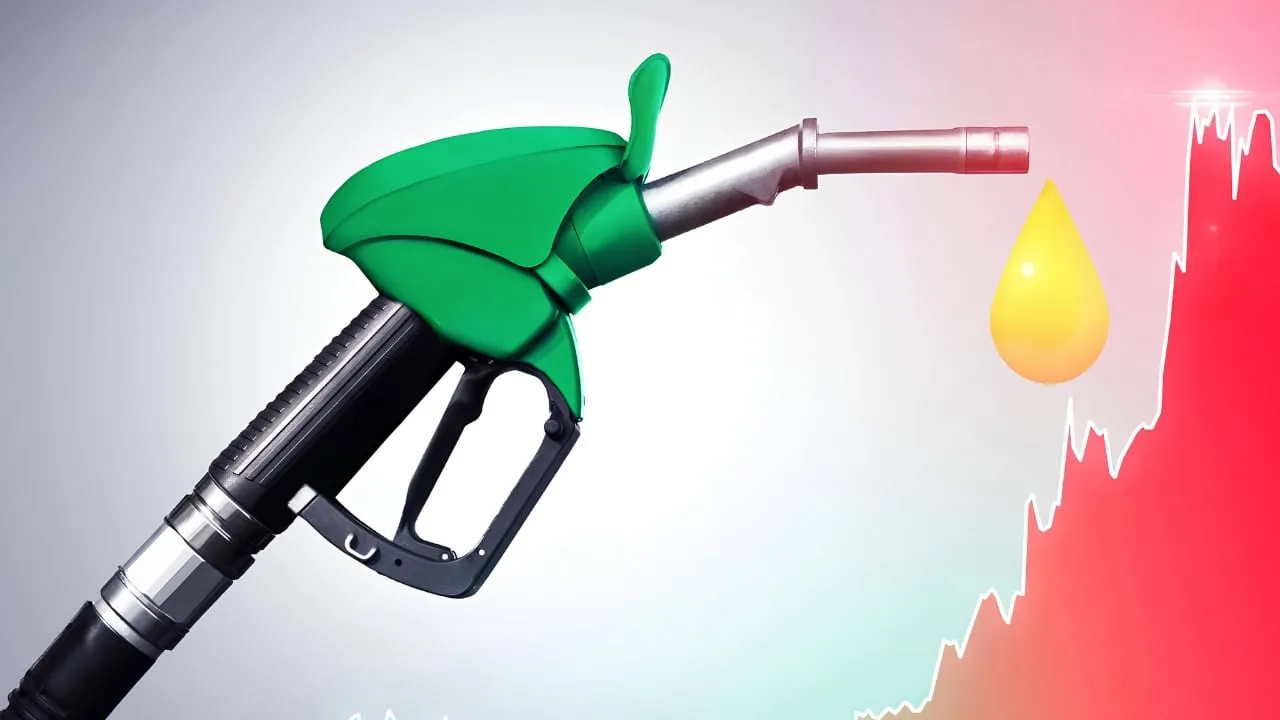
Pakistan's Oil and Gas Regulatory Authority (OGRA) reduced the ex-depot price of Motor Spirit (petrol) to Rs. 330.00 per litre on October 14, 2026, while the price of High Speed Diesel (HSD) stayed unchanged at Rs. 360.00 per litre.
The move is part of a new daily-adjustment policy that began on July 17, 2026, when the Federal Government ordered OGRA to revise petrol and diesel prices every 24 hours in order to protect the local economy from extreme market volatility.
Why the Government Adopted Daily Price Adjustments
Historically, Pakistan has revised fuel prices on a monthly basis, a practice that often left consumers and businesses exposed to sudden spikes when international crude prices moved sharply. The shift to a daily regime is intended to smooth out those spikes by allowing the regulator to react instantly to changes in global oil markets.
Under the new system, OGRA reviews the international spot price of Brent crude, the exchange rate of the rupee, and the cost of transport and taxes. It then publishes the revised ex-depot price, which retailers must apply at the pump within the next 24-hour window. The policy explicitly states that adjustments will not be made on Saturdays, Sundays, or public holidays, ensuring stability over weekends.
Background: The 2026 US-Israel War on Iran and Its Global Ripple Effects
The current pricing environment cannot be understood without reference to the geopolitical shock that began in early 2026. The United States and Israel launched a coordinated military campaign against Iran in March, citing concerns over Iran's nuclear programme and regional activities. The conflict quickly escalated into a broader confrontation that involved naval operations in the Persian Gulf.
In late February, Iran responded to the mounting pressure by closing the Strait of Hormuz, a narrow waterway that handles roughly 25% of the world's seaborne oil trade. The closure halted the flow of crude from the Gulf states to global markets, sending crude prices soaring. The United States retaliated with a naval blockade of Iranian ports, further choking the region's export capacity.
A brief ceasefire in June offered a window of relief, but the truce collapsed on July 8 when renewed attacks on commercial vessels prompted Iran to seal the strait again. The United States then conducted a series of airstrikes aimed at reopening the waterway. The ongoing crossfires and blockades have kept global oil shipments constrained, forcing price volatility that has reverberated through every oil-importing nation, including Pakistan.
Explainer: How OGRA Calculates Daily Fuel Prices
OGRA's price-setting formula incorporates four main components:
- International Crude Price: The benchmark Brent crude price, expressed in US dollars per barrel, is the starting point.
- Exchange Rate: The current USD-to-Pakistani rupee rate, published by the State Bank of Pakistan, converts the crude price into local currency.
- Transportation and Refining Costs: Estimated costs for moving crude to domestic refineries and processing it into finished products.
- Taxes and Levies: Federal and provincial taxes, as well as any additional levies approved by the Ministry of Finance.
These elements are summed to produce the ex-depot price, which is the cost before retailer margins. Retailers add a regulated margin, typically ranging from Rs. 5 to Rs. 8 per litre for petrol and Rs. 4 to Rs. 6 for diesel, to arrive at the final pump price.
Impact on Consumers, Businesses, and the Economy
The Rs. 2.00 per litre reduction in petrol translates to a modest saving for the average commuter. Assuming a vehicle consumes 7 litres per 100 km, a driver traveling 1,000 km per month would save roughly Rs. 140. While the figure appears small, the cumulative effect across millions of motorists can ease household budgets that are already strained by high food and utility costs.
For the transport sector, diesel remains the dominant fuel. The unchanged diesel price of Rs. 360.00 per litre means that logistics companies, public transport operators, and agricultural producers continue to face the same cost pressures as before. Any further volatility in diesel could quickly affect the price of goods and food items that rely on road transport.
On a macro level, stabilising fuel prices helps the government manage inflation. Pakistan's inflation rate, which hovered around 12% in September 2026, is sensitive to fuel costs because they influence transportation and production expenses. By preventing sudden price spikes, the daily-adjustment regime aims to keep inflation within the central bank's target range.
What Comes Next: Monitoring the Crisis and Future Adjustments
OGRA has indicated that it will continue to review the daily price mechanism every week to assess its effectiveness. No specific timeline has been announced for a possible return to monthly revisions.
Key indicators that will guide future decisions include:
- The volume of oil passing through the Strait of Hormuz, as reported by the International Energy Agency.
- The USD-to-PKR exchange rate, which remains volatile due to capital outflows.
- Domestic refining capacity utilization, currently at about 78% across Pakistan's major refineries.
Stakeholders are advised to watch for OGRA's daily bulletins, which are published on its website each evening. Any change in the geopolitical situation, such as a new ceasefire agreement or an escalation of hostilities, could prompt immediate revisions to the price formula.
Practical Takeaways for Pakistani Readers
Consumers can expect the petrol price to remain at Rs. 330.00 per litre until at least the next weekend, barring a major shift in global oil markets. Diesel users should continue budgeting for Rs. 360.00 per litre.
Drivers planning long trips should fill up before the weekend, when prices are locked in, to avoid potential weekend price hikes that could arise from a sudden market shock on a weekday.
Businesses that rely heavily on diesel are encouraged to explore fuel-efficiency measures, such as regular vehicle maintenance and route optimisation, to mitigate the impact of unchanged diesel costs.
Overall, the daily-adjustment policy represents a proactive step by the Pakistani government to shield its economy from external shocks while the world watches the unfolding Iran-US conflict.