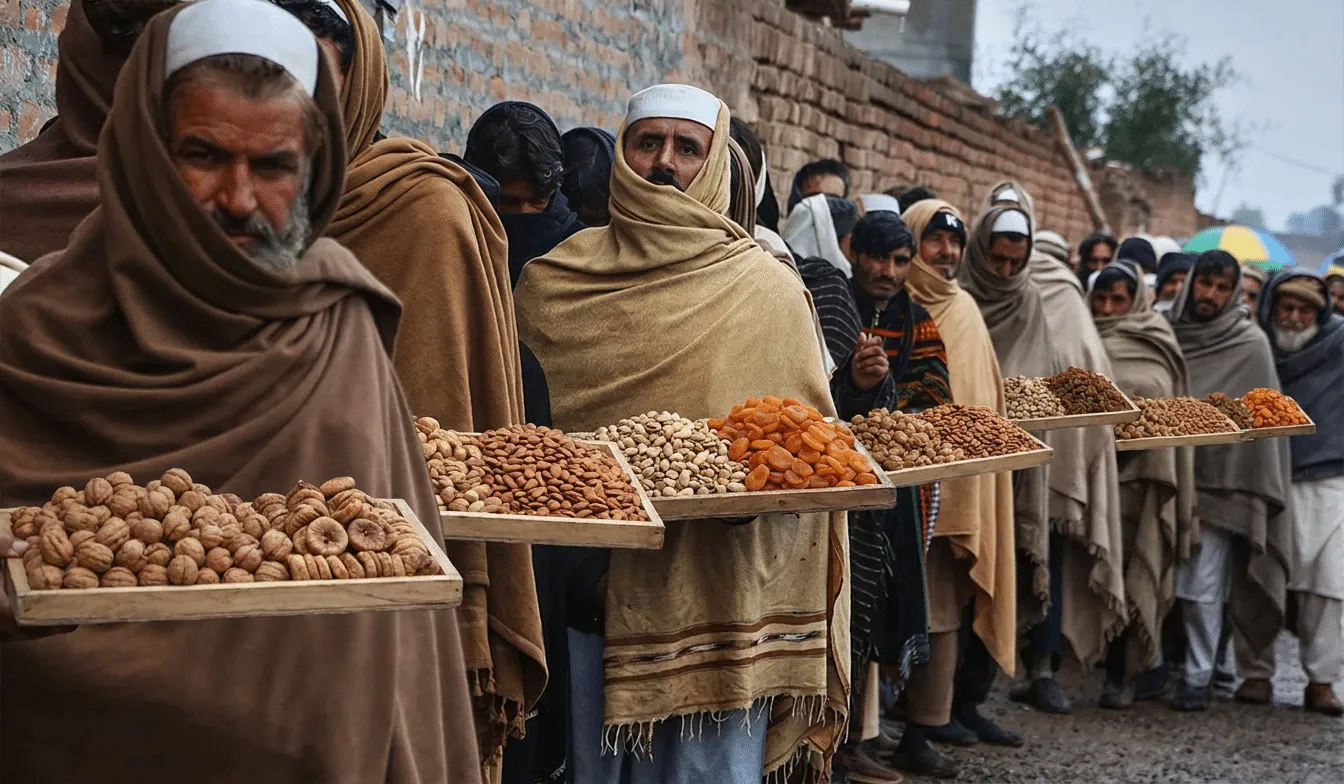
Understanding Pakistan Dry Fruit Consumption Trends
Households located in Khyber Pakhtunkhwa show a much higher tendency to buy premium dry fruits than families residing in Punjab and Sindh. This pattern emerges from a comprehensive household consumption analysis conducted by Gallup Pakistan Digital Analytics. The findings offer a clear look into dietary habits and purchasing power across different regions of the country.
Market analysts and economic researchers rely on detailed consumption studies to understand regional economic disparities and household spending priorities. Premium food items, particularly nuts, often serve as indicators of disposable income and cultural dietary traditions. The data collected by Gallup Pakistan Digital Analytics highlights stark contrasts in how different provinces allocate their monthly budgets for specialty food products.
Provincial Breakdown of Premium Nut Purchases
Based on the Household Integrated Economic Survey 2024-25, 14.4 percent of households in KP purchased premium nuts during a typical two-week period. This figure sets the northern province apart from the rest of the country in terms of regular specialty food acquisition. Families in this region maintain distinct culinary habits that incorporate high-value agricultural imports and locally harvested tree nuts.
The purchase rate dropped significantly when examining other major administrative divisions. In Punjab, the most populous province in the country, only 5.9 percent of households bought these products during the same reference timeframe. Meanwhile, Sindh recorded an even lower rate, with just 3.9 percent of households purchasing premium nuts.
When comparing the statistics directly, households residing in KP proved to be around 2.4 times more likely to purchase premium dry fruits than those located in Punjab. Furthermore, KP families were nearly 3.7 times more likely to make these purchases than households in Sindh. These multipliers demonstrate a clear geographic concentration of demand for high-end agricultural commodities.
What Products Count as Premium Dry Fruits?
The premium category analyzed in the survey includes several high-value items commonly traded in local bazaars and supermarkets. Specifically, the classification encompasses almonds, walnuts, pistachios and cashews. Together, these four items account for an estimated Rs. 56 billion in annual household spending across Pakistan.
Consumers view these items not only as daily snacks but also as essential ingredients for traditional desserts, festive cooking, and winter nutrition. Almonds and walnuts remain particularly popular in northern areas due to regional production and historical trade routes linking local markets with Central Asia. Pistachios and cashews, often imported from abroad, command higher price points that influence overall spending volumes.
National Statistics and Average Household Spending
Looking at the broader national picture, only 7 percent of households across the country purchased these products during a typical two-week period. This percentage translates to approximately 2.7 million homes nationwide engaging in the market for premium nuts within any given fortnight.
Households that actively purchased premium nuts spent approximately Rs. 800 on average during the reference period. This spending figure reflects moderate quantities purchased per transaction rather than bulk buying, indicating that families treat these items as periodic additions to their pantries rather than daily staples.
Economic Context of Household Surveys
The data used by Gallup Pakistan Digital Analytics stems from the Household Integrated Economic Survey 2024-25. Government and private research bodies use the Household Integrated Economic Survey to track poverty levels, consumption patterns, inflation impacts, and standard of living metrics across urban and rural demographics.
By examining specific categories like premium food products, economists can gauge consumer confidence and the velocity of retail trade. Understanding where specialty goods find their strongest markets helps agricultural traders, importers, and retail distributors optimize their supply chains and marketing strategies across provincial boundaries.