Millions of vulnerable minors stand to gain better access to justice, care, and protection through Pakistan's newly introduced National Strategy to End Violence Against Children, spanning from 2026 to 2031.
Saba Sadiq, the Parliamentary Secretary for Human Rights, introduced the plan during a national consultation. This event preceded the upcoming Second Global Ministerial Conference on Ending Violence Against Children, set for November in Manila.
The Ministry of Human Rights created this framework alongside the World Health Organization to build a unified national network for combating widespread child exploitation and abuse.
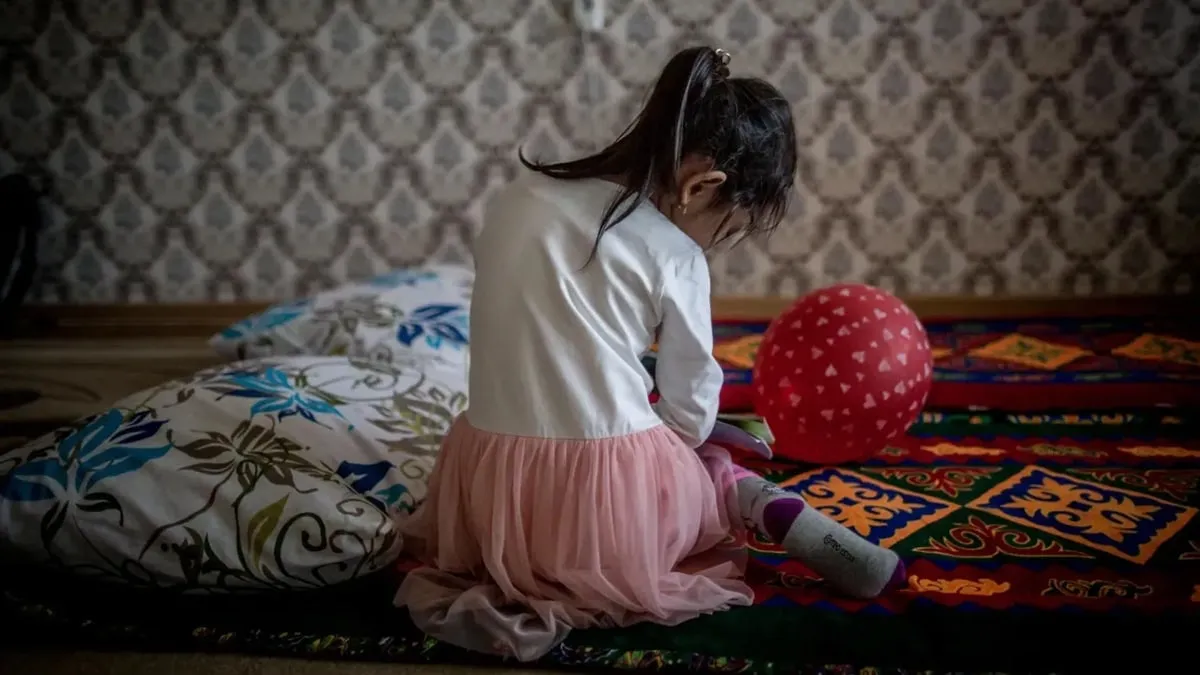
Shocking statistics feature prominently in the document, pointing out that violent discipline affects as many as eight out of 10 youngsters in the country. Furthermore, internet-facilitated sexual abuse or exploitation impacts one out of 16 children between the ages of 12 and 17 who use the web.
Data shows that child labor involves millions of minors, while 841,402 individuals aged 10 to 17 have entered marriages. Informal urban neighborhoods, impoverished areas, migrant populations, and displaced youth encounter heightened dangers.
Physical abuse, sexual assault, psychological harm, neglect, human trafficking, child marriage, labor, and online exploitation are all addressed within the scope of the document.
Drawing from the global INSPIRE framework, the initiative centers on upgrading legislation, building safer spaces, aiding parents and guardians, boosting economic security, broadening intervention services, and teaching life skills to safeguard minors.