Figures shared by the Ministry of National Health Services in the National Assembly on Friday showed that over 32.4 million residents in Pakistan deal with mental health disorders, while 12.9 million carry hepatitis B or C. The nation also places among the global top 10 for deaths related to hepatitis C.
Data shared by the ministry stated that more than 417,000 individuals nationwide live with HIV, which includes about 3,900 registered children, pointing to mounting public health concerns in Pakistan.
Cases of mental health disorders grew from 30 million in 2019 to 32.4 million in 2023, marking an increase of 2.4 million over a span of four years. The capital city of Islamabad holds more than 300,000 residents dealing with mental health disorders, alongside a severe lack of trained psychiatrists.
Only 1,050 psychiatrists hold official registration across the country, resulting in a ratio of one psychiatrist for more than 245,000 residents. Punjab accounts for 406 registered psychiatrists, Sindh has 228, Khyber Pakhtunkhwa lists 122, and Balochistan contains 44.
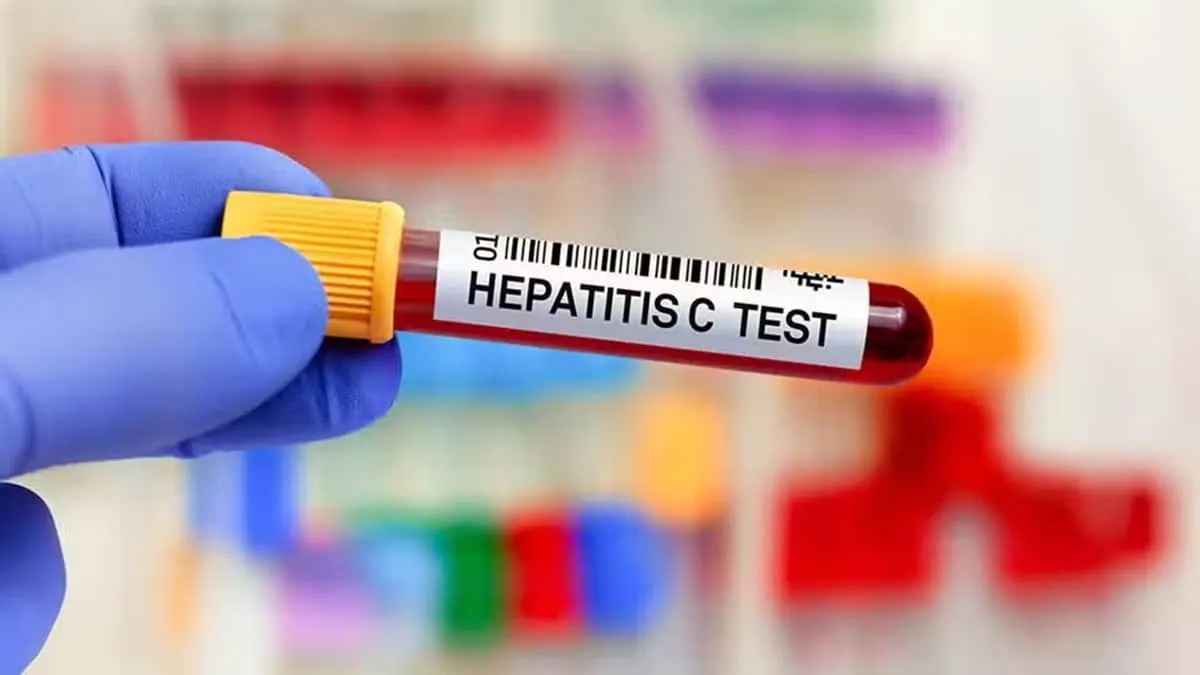
Regarding hepatitis, data from the ministry named Pakistan as having the highest count of hepatitis C patients worldwide. World Health Organization estimates referenced in the findings indicate about nine million individuals in Pakistan carry hepatitis C, and more than 3.86 million live with hepatitis B, bringing the total past 12.9 million.
Hepatitis results in roughly 48,000 fatalities each year in Pakistan, and 2024 saw more than 88,000 new hepatitis C infections recorded.
The ministry shared with the National Assembly that an estimated 417,000 people in Pakistan live with HIV, though only 92,148 appear on official registers. Among those registered, 67,878 obtain antiretroviral therapy.
Yearly HIV diagnoses climbed from roughly 16,000 in 2010 to 48,000 in 2024, whereas screening numbers expanded from 37,944 in 2020 to 374,000 in 2025.
Between January 2025 and June 2026, nearly 3,900 minors were logged as HIV-positive. Sindh registered the highest total with 1,915 children, followed by Punjab with 1,765. Khyber Pakhtunkhwa logged 139 cases, Balochistan recorded 46, Islamabad noted 30, Azad Jammu and Kashmir reported four, and Gilgit-Baltistan listed one.