Pakistan Minerals Investment Forum 2026 Sets New Industrial Goals
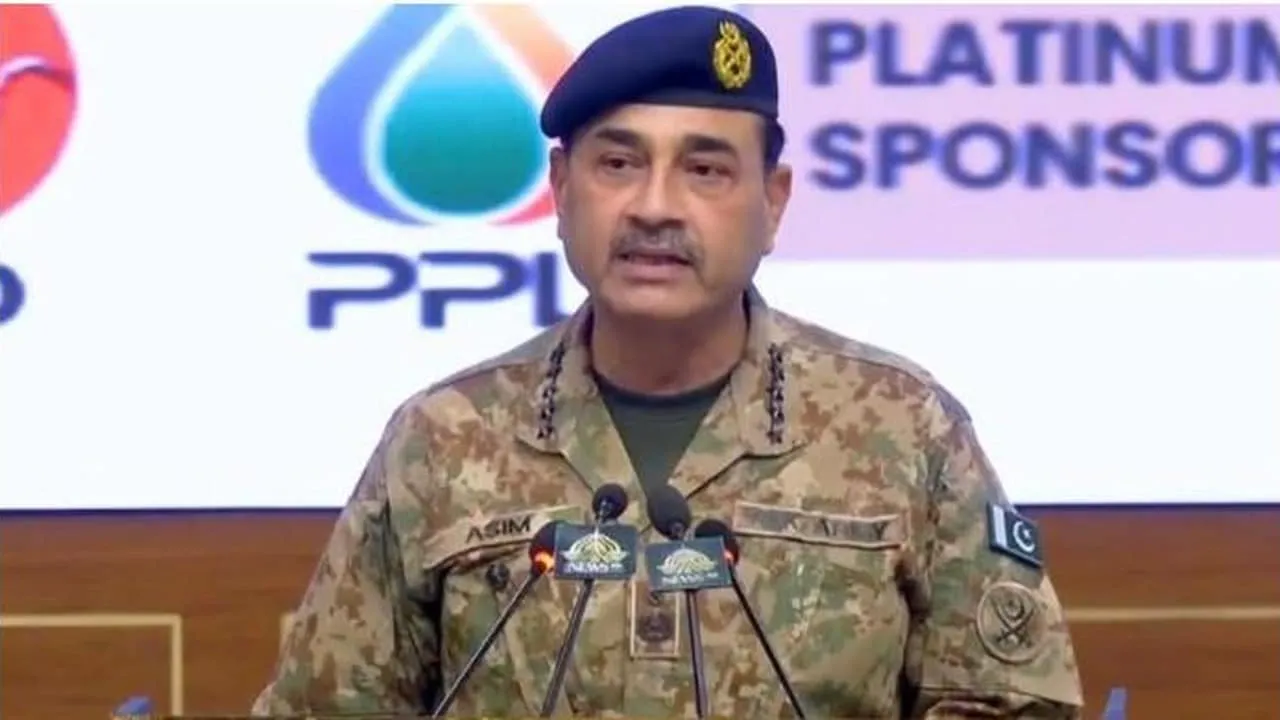
Field Marshal Syed Asim Munir stated that Pakistan must focus on building a complete domestic value chain, shifting away from the traditional practice of exporting raw minerals without processing. Speaking in Islamabad during the ongoing Pakistan Minerals Investment Forum 2026, the Chief of Defence Forces emphasized that transforming the nation's vast underground resources into tangible economic value stands as a collective national objective.
The two-day conference, running on November 12 and 13, serves as a crucial gathering for policymakers, mining executives, and international investors. This year's event follows the successful 2025 edition of the forum, continuing a concerted government push to attract foreign capital and technical expertise into the mining sector. By bringing together stakeholders from various industrial backgrounds, the forum aims to bridge the gap between geological potential and active commercial extraction.
Exporting unprocessed ore historically yields minimal financial returns compared to selling refined metals or finished manufactured goods. Establishing domestic refining facilities and manufacturing plants ensures that financial profits, technical skills, and foreign exchange reserves remain within the country. The current strategy marks a departure from historical models, aiming to position the nation as a regional hub for processed mineral exports rather than a mere supplier of raw earth materials.
Focus on Domestic Refining and Value Addition
The core policy shift centers on transitioning from raw mineral extraction to local processing. Field Marshal Asim Munir stated that Pakistan must move from potential to production, from promises to action, and from raw exports to value-added growth. This approach requires substantial investments in heavy industry, power supply, and chemical processing infrastructure capable of handling complex ores.
Building a domestic value chain involves multiple stages of industrial activity. Initial extraction is followed by crushing and milling, after which hydrometallurgical or pyrometallurgical plants extract pure metals. Subsequent steps involve fabricating these metals into industrial inputs or consumer goods. Developing these capabilities domestically creates skilled engineering and technical jobs, reducing unemployment and fostering a specialized industrial workforce.
International partners play an important role in this industrial scaling. Pakistan seeks long-term partnerships that generate sustainable economic benefits for both the state and foreign investors. These collaborations typically involve capital-intensive joint ventures where foreign firms provide advanced technology and machinery in exchange for secure access to mineral supplies under mutually beneficial regulatory frameworks.
Major Copper Discovery Announced in Chagai District
Adding significant momentum to the conference, the Frontier Works Organization announced a major geological finding during the proceedings. Based on only half of its current drilling data, the organization reported the discovery of an estimated 350 million tons of copper in the Dasht-e-Kain area of Chagai. This substantial find underscores the immense geological wealth hidden within the region's arid terrain.
The Chagai district in Balochistan is historically renowned for its rich mineral deposits, including gold and copper. The presence of such a massive copper reserve validates previous geological surveys and attracts intense interest from global mining conglomerates. Extracting this volume of copper requires extensive engineering works, reliable water supplies, and dedicated transportation corridors to connect remote extraction sites with export ports.
The Frontier Works Organization operates as a major construction and engineering wing of the military, playing a vital role in developing infrastructure in remote and challenging terrains. Their involvement in mineral exploration bridges the gap between security, civil engineering, and industrial development. The newly reported copper deposits in Dasht-e-Kain will likely form the cornerstone of future mining leases and state-backed extraction projects in the province.
Ensuring Tangible Benefits for Local Populations
Mineral development projects must directly improve the living standards of regional inhabitants. Field Marshal Asim Munir stressed that local communities living adjacent to mineral-rich areas should witness visible enhancements in their daily lives. Past industrial projects across various global jurisdictions often extracted local wealth without leaving behind adequate social infrastructure or economic opportunities for the indigenous population.
Sustainable mining frameworks mandate corporate social responsibility initiatives, including the construction of schools, hospitals, clean water facilities, and paved roads in isolated mining districts. Furthermore, training programs enable local residents to secure employment in technical and managerial roles rather than remaining limited to low-wage manual labor. Ensuring community participation and equitable benefit-sharing reduces local friction and creates a stable operating environment for mining companies.
Balancing resource extraction with environmental protection remains a critical challenge for regulatory authorities. Modern mining operations must adhere to strict ecological standards to prevent groundwater contamination, toxic waste spills, and habitat destruction. As Pakistan expands its mining footprint, implementing rigorous environmental oversight ensures that long-term ecological health is not sacrificed for short-term financial gains.
Next Steps for Pakistan's Mining Sector
Following the conclusion of the Pakistan Minerals Investment Forum 2026, government ministries and regulatory bodies face the task of translating policy pronouncements into binding contracts and legislative frameworks. Investors will watch for streamlined licensing procedures, transparent tax policies, and reliable security guarantees before committing billions of dollars in capital expenditure. The transition from political commitment to operational reality requires coordinated action across federal and provincial governments, particularly in resource-rich provinces like Balochistan.
As exploration data continues to be processed, particularly regarding the Chagai copper deposits, further announcements concerning feasibility studies and joint venture agreements are expected in the coming months. Observers will monitor how administrative bodies resolve jurisdictional issues between federal authorities and provincial departments regarding mineral rights and revenue sharing. The success of this strategic push will ultimately be judged by the operational commencement of domestic refineries and the tangible economic uplift experienced by local citizens.





