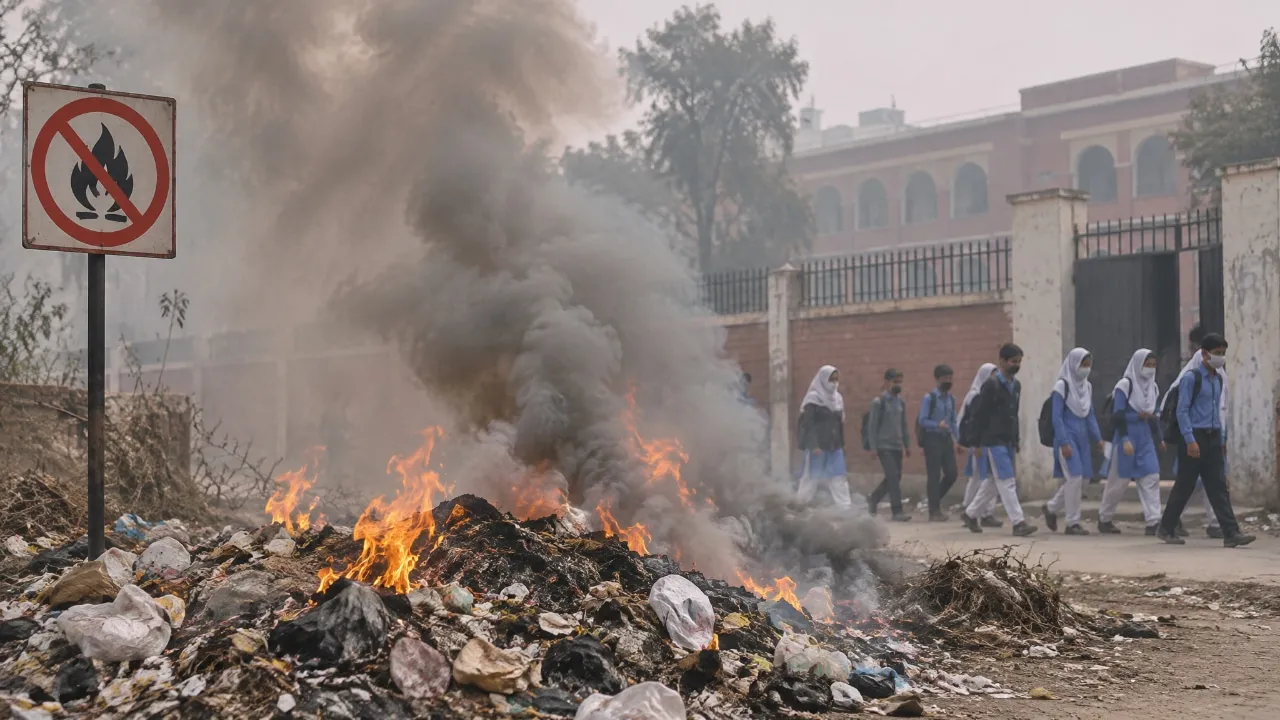
Punjab School Education Department Imposes Garbage Burning Ban
The Punjab School Education Department has issued new directives for schools across the province amid the ongoing smog, imposing a complete ban on burning garbage and other items within school premises. This urgent administrative measure arrives as authorities grapple with severe environmental pollution levels that threaten public health, particularly among school-aged children who spend significant hours in educational institutions.
Administrative heads across all districts must enforce this prohibition immediately. Burning waste materials contributes significantly to particulate matter accumulation in the local atmosphere, worsening hazardous haze conditions that regularly engulf the region during specific seasons.
Educational facilities are now subject to strict scrutiny regarding their waste management practices. Officials expect total compliance from administration staff, teachers, and support personnel to eliminate toxic smoke generation near classrooms.
Student Awareness Campaigns and Personal Protection Guidelines
The department has directed schools to run an awareness campaign for students, teachers and parents about the harmful effects of smog. Students will be educated on the use of masks, drinking plenty of water, and avoiding unnecessary outdoor exposure.
Educational institutions must incorporate these health lessons into daily routines so that children understand why outdoor play is restricted. Teachers carry the responsibility of explaining preventative habits clearly to young minds, ensuring families reinforce these practices at home.
Hydration and protective gear form the first line of defense against airborne toxins. Schools must ensure that children keep water bottles accessible and wear appropriate facial coverings when moving between indoor spaces.
Classroom Safety and Health Precautions for Vulnerable Students
Schools have been instructed to take special care of children suffering from asthma and to exercise caution during physical activities. Windows and doors of schools must remain closed during smog hours.
Keeping administrative barriers closed prevents toxic outside air from infiltrating learning spaces. Physical education classes and recess periods face immediate modification or suspension when air quality reaches dangerous thresholds.
Children with pre-existing respiratory vulnerabilities require individualized attention from educators. Staff members must remain vigilant for any sudden changes in a child's breathing patterns or general well-being throughout the school day.
Cleanliness Standards and Medical Record Management
Classrooms must be kept clean with proper ventilation, while arrangements for the proper disposal of garbage in schools have been mandated.
Dust accumulation inside buildings can worsen respiratory distress, making routine cleaning protocols mandatory for all institutions. Waste must be stored securely in covered bins until municipal collection services remove it from the property.
Schools have been directed to maintain emergency medical records of students suffering from respiratory and heart conditions, and teachers must immediately attend to signs of students falling ill.
Having immediate access to student health histories allows staff to respond swiftly during medical crises. Teachers who notice coughing, wheezing, or dizziness must act without delay to provide initial comfort and contact medical professionals.
Daily Air Quality Monitoring and District Coordination
A focal person must be designated in every district to liaise with the Health Department, while all schools have been ordered to monitor the Air Quality Index daily.
District focal persons serve as the vital communication link between educational facilities and health authorities. By tracking daily pollution metrics, schools can adjust their operational decisions based on verified environmental data rather than guesswork.
This structured coordination ensures that regional responses remain unified across the province. Educational leaders continue to evaluate meteorological reports daily to protect student populations from escalating environmental hazards.





