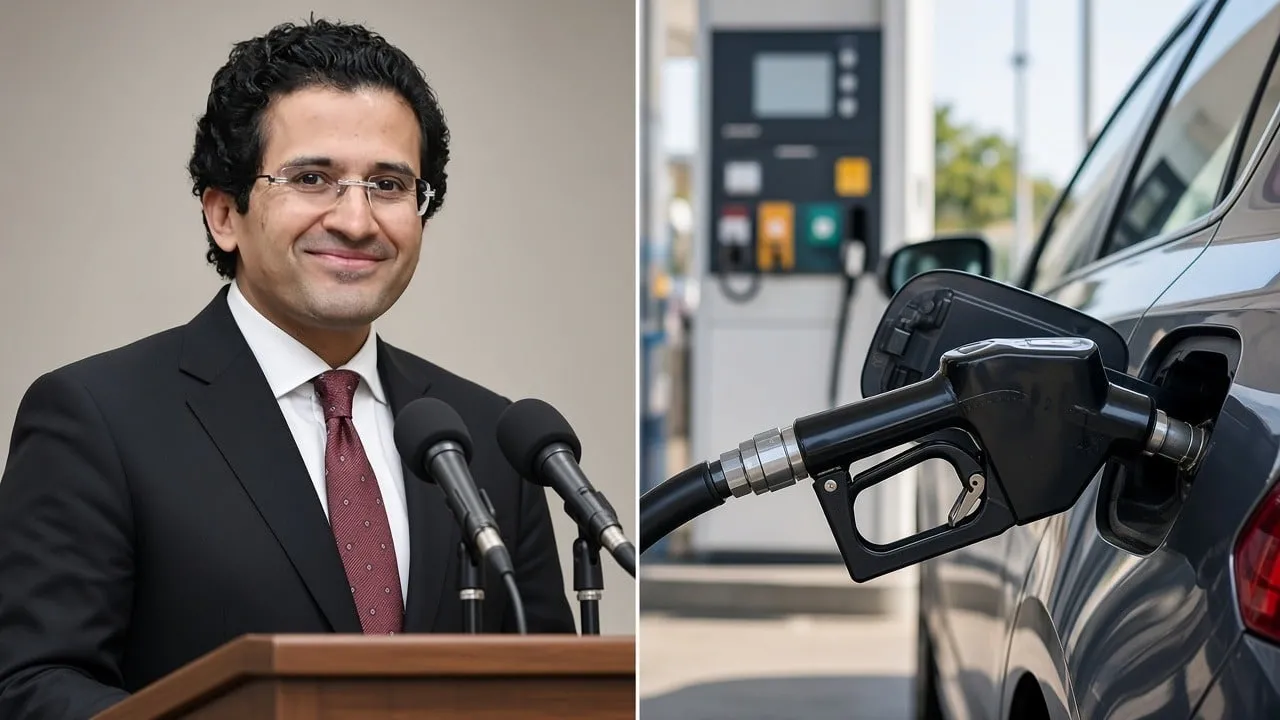
Petroleum Minister Announces Incoming Petrol Price Relief in Pakistan
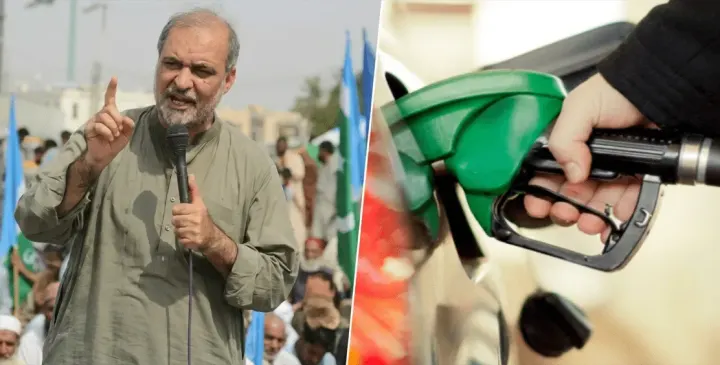
International oil prices have declined and good news on fuel prices will be announced soon, according to Petroleum Minister Ali Pervaiz Malik. The minister stated during a press conference in Islamabad alongside Information Minister Attaullah Tarar that the government will pass the benefit of falling global prices on to the public. This development arrives as a welcome relief for citizens grappling with high energy costs and inflation across the country.
The latest updates regarding petroleum pricing mechanisms indicate that market adjustments are underway to ease financial pressures on consumers. With roughly seventy percent of the country's petrol being imported, shifts in the global energy market directly influence domestic pump rates. Authorities are monitoring these international trends closely to determine the exact magnitude of the upcoming domestic price reductions.
How Local Refineries Are Absorbing Petrol Costs
Petroleum Minister Ali Pervaiz Malik explained that Pakistan's oil refineries will absorb around Rs. 15 billion a month to keep petrol about Rs. 15 per litre cheaper than international rates. He noted that a Rs. 15 per litre petrol increase was due on Friday, but local refineries agreed to absorb it after earning big profits from higher throughput over the last three months. The arrangement comes under the government's new petrol pricing formula and runs for 30 days.
This temporary agreement requires domestic refineries to shoulder a significant financial burden to protect everyday consumers from sudden market spikes. Refineries are able to manage this obligation following a period of strong operational output and profitability during the preceding quarter. However, officials emphasize that this specific mechanism is designed to bridge a short-term gap rather than serve as a permanent pricing structure.
Understanding Global Oil Import Pressures and Premiums
The broader context of domestic fuel pricing involves complex international supply chains and elevated import premiums. Petroleum Minister Ali Pervaiz Malik pointed out that petrol import premiums jumped from about $5 per barrel before the war to $20, and some Pakistan State Oil tenders reached $25 to $30. Around seventy percent of the country's petrol is imported, exposing local markets to external geopolitical shocks and supply disruptions.
Import premiums represent the extra cost charged by suppliers above the benchmark crude price, covering freight, insurance, and handling. When global conflicts or supply constraints push these premiums higher, the landed cost of refined products rises sharply. Despite these steep external costs, government interventions and refinery cooperation have managed to buffer the domestic market from the full force of these international hikes.
Prime Minister Fuel Relief Scheme Delivers Rs. 27 Billion
Information Minister Attaullah Tarar reported that more than 15 million people have registered for the Prime Minister's Fuel Relief Scheme, which has provided Rs. 27 billion in relief so far to motorcyclists, rickshaw drivers, and owners of cars up to 800cc. Tarar added that the country has no fuel shortage, aiming to reassure the public about supply stability.
The targeted relief initiative specifically supports lower- and middle-income vehicle owners who rely daily on motorized transport for their livelihoods. By focusing on motorcycles, rickshaws, and small cars, the program directs financial assistance to the segments of society most vulnerable to high transportation expenses. Government officials continue to oversee the distribution of these funds to ensure transparency and wide reach across eligible applicants.
Recent Fuel Price Adjustments at the Pump
Some relief has already arrived for consumers at local filling stations. Petrol fell by Rs. 3.40 to Rs. 374.51 per litre and diesel by Rs. 7.76 to Rs. 395.20 from November 3.
These recent reductions offer a modest reprieve following months of volatile energy pricing. For a motorcyclist using 20 litres a month, the Rs. 15 hike the refineries absorbed would have cost Rs. 300 more every month. If global prices keep falling, further cuts could follow, though the refinery deal is only temporary after the government made refineries pay to keep prices unchanged.