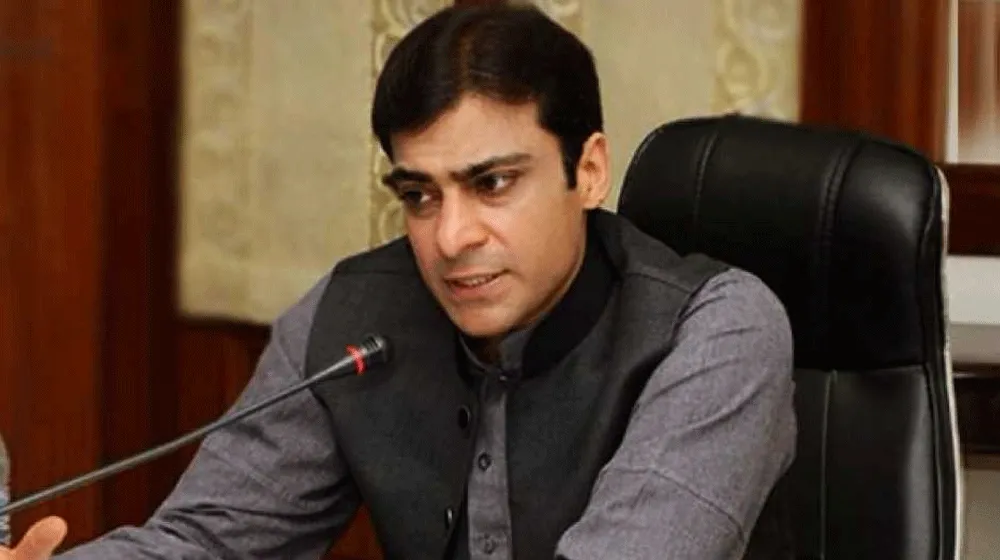
Member of the National Assembly (MNA) Hamza Shahbaz has summoned a high-level briefing on Pakistan's upcoming five-year auto policy, sources told ProPakistani a short while ago.
Officials from the Ministry of Industries and Production are scheduled to brief Hamza Shahbaz, the son of Prime Minister Shehbaz Sharif, on the proposed automotive strategy on Wednesday.
Why the Auto Policy Is Critical at This Moment
Pakistan's automotive sector contributes roughly 3 percent of gross domestic product and employs hundreds of thousands of workers across manufacturing, sales and services. The industry has faced a prolonged slowdown due to high import duties, limited foreign investment and a shortage of affordable financing. The government's new five-year plan is intended to reverse that trend by reshaping tax structures, encouraging local assembly and opening space for electric-vehicle production.
Policy Heads to the IMF This Week
The briefing follows the Prime Minister's recent approval in principle of the new auto policy.
The proposed policy is a key part of Pakistan's ongoing economic framework and is scheduled to be shared with the International Monetary Fund (IMF) later this week. Earlier rounds of talks with the IMF on the auto policy had stalled over objections to the draft.
The IMF's review will focus on whether the policy aligns with the country's broader macro-economic programme, which includes fiscal consolidation, debt restructuring and measures to boost exports. If the fund finds the plan compatible, it will issue a formal clearance that allows the government to move forward.
What Happens Next
Once the IMF formally clears it, the five-year policy framework will go to the Federal Cabinet for approval. It will then be laid before Parliament for final legislative ratification.
That means the policy still has three hurdles to clear, the IMF, the Cabinet and Parliament, before it can take effect.
What This Means for Car Buyers
The new policy is closely watched by buyers because it is expected to change taxes and duties on vehicles, which could bring car prices down. Until it clears all three stages, however, current rates and prices remain in place.
Background: Earlier Auto Policies and Their Shortcomings
Pakistan's previous automotive strategy, introduced in 2019, raised import duties on fully built units while offering incentives for local assembly. Critics argued that the high duties made new cars unaffordable for the middle class and discouraged foreign manufacturers from setting up plants. The policy also lacked clear provisions for emerging technologies such as hybrid and electric vehicles.
Subsequent revisions attempted to lower duties on certain segments but faced push-back from the finance ministry, which warned that revenue losses could widen the fiscal deficit. Those tensions contributed to the stalled IMF talks mentioned earlier.
How the New Five-Year Plan Is Structured
The draft outlines three main pillars:
- Tax Reform: A graduated reduction in customs duties for CKD (completely knocked down) kits, combined with a modest increase in excise tax on high-engine-capacity vehicles.
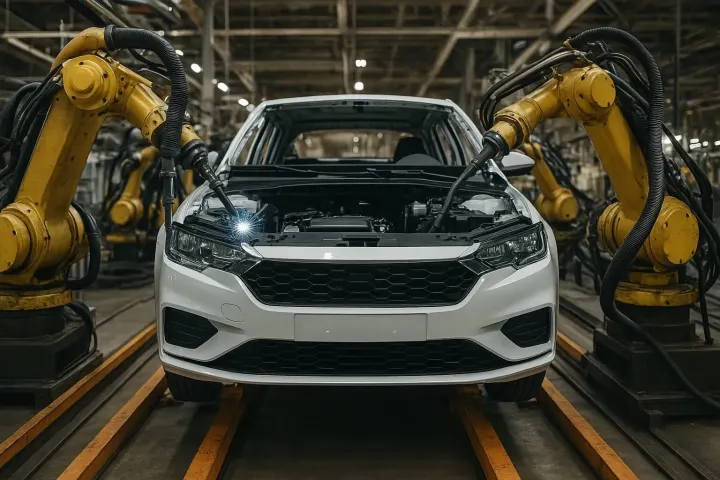
- Local Production Incentives: Tax credits for manufacturers that invest in modern assembly lines, meet localisation targets and create at least 500 new jobs.
- Green Mobility: Subsidies for electric-vehicle (EV) imports, a roadmap for EV charging infrastructure and a phased reduction of import duties on batteries.
Each pillar is linked to measurable targets, such as a 15 percent rise in locally assembled vehicle output by the end of the fifth year and a 30 percent reduction in average new-car price inflation.
Impact on Industry Stakeholders
Automakers, both domestic and foreign, will need to adjust their supply chains to meet localisation thresholds. Dealers anticipate a shift in inventory mix, with a larger share of lower-priced models becoming viable. Financial institutions expect a modest uptick in auto-loan applications if prices fall as projected.
Consumers in urban centres, where car ownership is highest, stand to benefit most from lower duties. Rural buyers, who often rely on used-car markets, may see indirect benefits as new-car prices drop and used-car values adjust.
Procedural Timeline and Key Dates
The IMF review is slated for later this week, though the exact day has not been disclosed. If clearance is granted, the cabinet is expected to meet within ten days to consider the document. Parliamentary debate could extend into the following month, depending on the legislative calendar.
Stakeholders have been advised to monitor official releases from the Ministry of Industries and Production and the Ministry of Finance for any updates on timelines.
Practical Takeaways for Readers
For prospective car buyers, the immediate advice is to hold off on major purchases until the policy's tax components are confirmed. Dealers should prepare promotional material that highlights potential savings once the new duties are enacted.
Industry analysts recommend watching the IMF's public statement, as it will indicate which sections of the draft were accepted or flagged for amendment. Those amendments could alter the final tax rates or incentive structures.
What to Watch for After the Briefing
After Hamza Shahbaz's briefing on Wednesday, the next public signal will be the IMF's written response. Subsequent media briefings from the Ministry of Industries and Production will likely outline any revisions made in response to IMF feedback. Finally, the cabinet's vote and parliamentary debate will be the last public stages before the policy can be implemented.