Pakistan Receives Its Biggest LPG Shipment in History
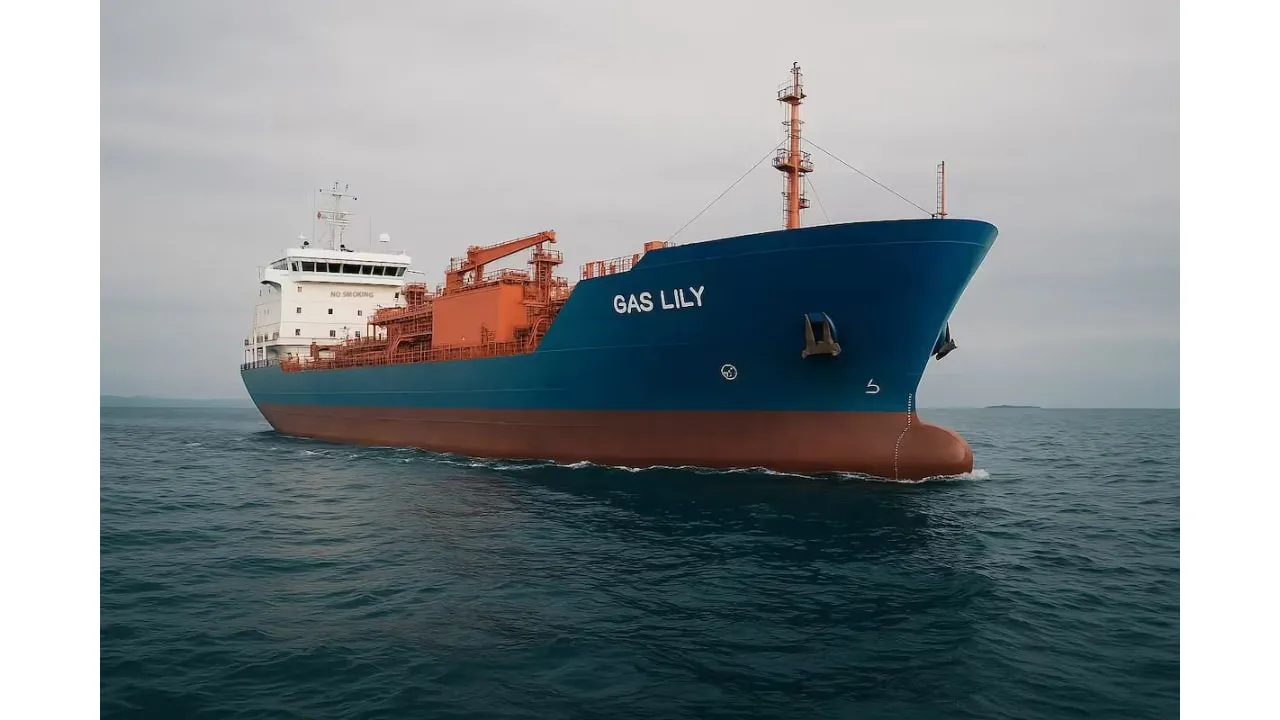
Pakistan has received the largest liquefied petroleum gas shipment in the country's history, with a vessel carrying 15,000 metric tons of LPG arriving at Port Qasim under a new import system. This landmark delivery marks a major turning point for national energy logistics, shifting how the domestic market sources vital heating and cooking fuel. A special ceremony was held at Port Qasim to mark the arrival of the first major LPG cargo under the new system. Special Secretary Petroleum Mirza Nasiruddin Mashhood attended the event as the chief guest, joined by industry stakeholders, port authorities, and energy sector experts who gathered to observe the offloading of the historic cargo.
Government Targets Affordable LPG Supply
Speaking at the ceremony, Mashhood said the government was taking steps to ensure LPG remained available to consumers at reasonable prices. He described the record 15,000-metric-ton shipment as the beginning of a new phase for Pakistan's LPG sector. Energy affordability remains a central concern for households across the country, particularly as inflation pressures impact everyday living costs. By streamlining import channels, authorities hope to curb price volatility and ensure that market rates reflect fair supply and demand fundamentals rather than artificial scarcity.
Overcoming Regulatory Hurdles in Energy Imports
According to an official statement, government companies had previously been unable to import LPG due to regulatory hurdles. Past administrative bottlenecks often restricted state-owned entities from participating directly in bulk energy procurement, leaving supply gaps that private traders filled with variable pricing. The new system is expected to improve supply, particularly to mountainous and remote areas during the winter season. These structural reforms aim to dismantle old bureaucratic barriers and create a more flexible, responsive state apparatus capable of meeting national energy demands efficiently.
Winter Preparation and Regional Fuel Distribution
The statement said additional LPG cargoes were expected to arrive in the coming weeks, improving availability in the open market and providing relief to consumers. The increased imports are also expected to support LPG supplies to areas where access becomes more difficult during winter. Mountainous northern regions and remote rural districts frequently face severe weather conditions that block traditional transport routes, cutting off regular fuel supplies. Ensuring steady reserve inventories before peak winter months helps prevent local shortages and stabilizes retail costs for vulnerable populations who rely heavily on gas cylinders for basic domestic needs.
Background of Pakistan Energy Policies
Energy security has long been a complex challenge for Pakistan, which relies on a mix of domestic gas production, imported liquefied natural gas, and imported petroleum products. Over recent decades, domestic natural gas reservoirs have faced declining extraction rates, widening the supply deficit for residential and industrial users. Liquefied petroleum gas serves as a vital alternative fuel for households that lack piped natural gas connections, making efficient import mechanisms essential for national welfare. Government interventions in the energy sector historically focused on price controls and licensing frameworks, but recent policy shifts increasingly emphasize supply chain expansion and infrastructure readiness.
Role of Port Qasim in National Logistics
Port Qasim, located near Karachi, functions as a primary maritime gateway for Pakistan, handling a substantial share of the nation's bulk cargo and energy imports. The facility possesses specialized terminals capable of managing hazardous materials, chemicals, and liquefied gases with adherence to international safety standards. Handling a vessel of 15,000 metric tons requires sophisticated offloading infrastructure, specialized storage tanks, and rapid distribution logistics to move the product inland via transport trucks. The successful docking and discharge of this record-setting cargo demonstrate the operational capacity of Port Qasim to handle larger energy shipments under the updated regulatory framework.
Impact on Domestic Consumers and Small Businesses
The arrival of large-scale LPG imports directly impacts millions of households, commercial kitchens, and small enterprises that depend on bottled gas for daily operations. Small restaurants, bakeries, and rural workshops often experience severe operational disruptions during periods of high fuel prices or supply shortages. By increasing overall market volume, the government aims to moderate retail prices and ensure consistent fuel availability across all provinces. This stability allows small business owners to plan operating budgets more accurately without fearing sudden spikes in energy expenses.
Future Outlook for the National LPG Sector
Following the arrival of this historic shipment, market observers and energy sector participants will monitor the execution of subsequent import schedules. Government officials have indicated that more cargoes are scheduled to dock in the near future, signaling a sustained effort to maintain high inventory levels. The long-term success of the new import system depends on consistent regulatory oversight, transparent procurement practices, and efficient inland distribution networks. If these elements function smoothly, the country may establish a more resilient energy buffer against global price shocks and seasonal supply disruptions.





