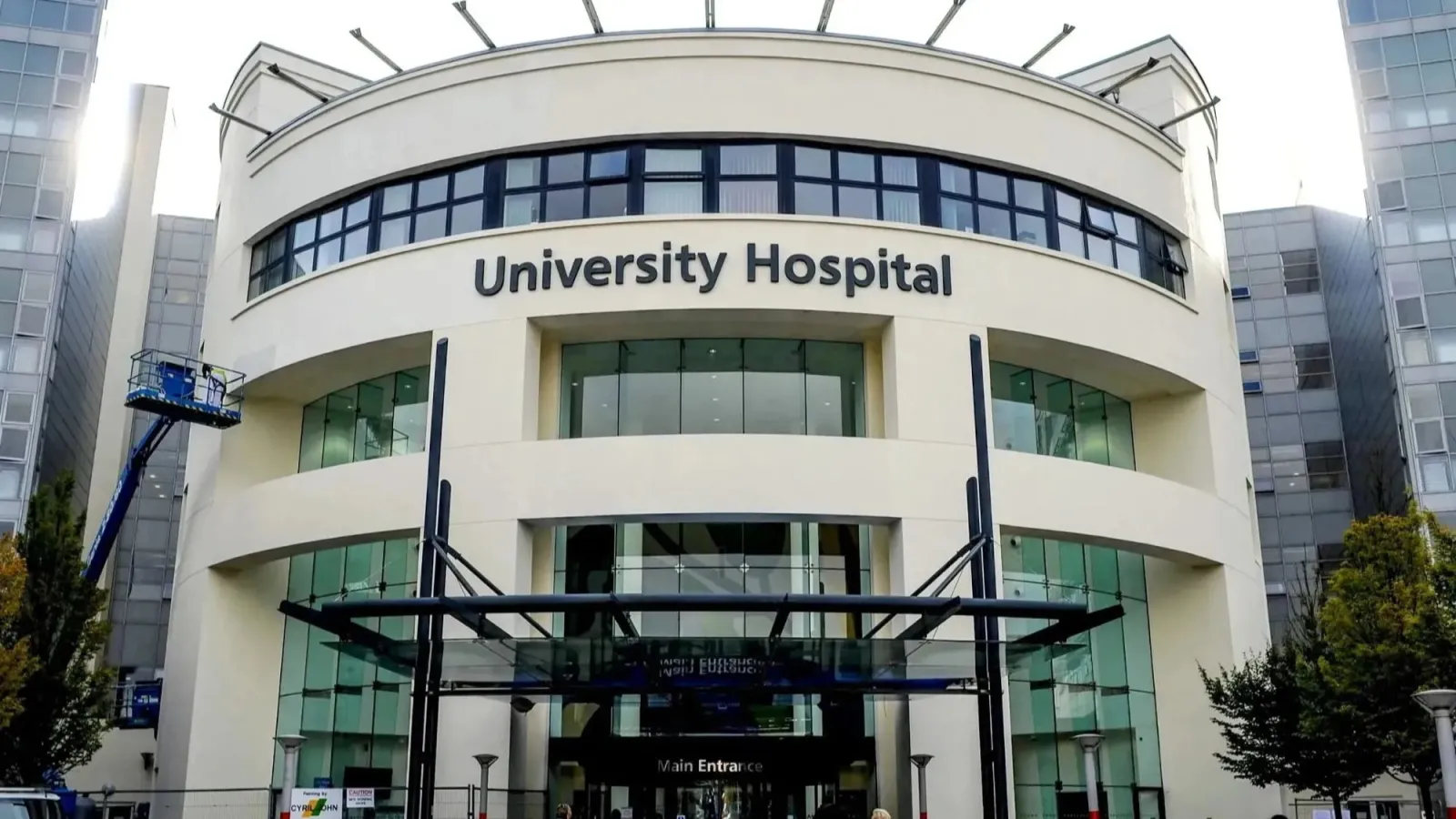
Dozens of patients were severely harmed and wrongly given chemotherapy for years while under the care of an NHS trust, according to a damning new independent review. The findings reveal a catastrophic breakdown in clinical oversight at University Hospitals Coventry and Warwickshire NHS Trust, where individuals received inappropriate courses of treatment based on incorrect diagnoses. Some vulnerable people were even told that stopping their chemotherapy regimens would prove fatal, even though this assertion had no basis in medical reality.
The investigation was carried out by the Royal College of Physicians and commissioned by the trust itself following the retirement of a senior clinician. The scandal has triggered widespread concern, formal regulatory referrals, and legal action from affected families who placed their trust in the National Health Service during their darkest hours. Hospital executives have issued public apologies, acknowledging that the level of care delivered fell far short of acceptable national benchmarks and institutional expectations.
How the Chemotherapy Misdiagnosis Scandal Unfolded
The inquiry centers on the practices of a clinical oncologist identified in the report as Dr Y, but named by the hospital trust as Professor Ian Brown. He worked within the organization from 1996 until his retirement in December 2023. Red flags regarding his clinical methods were first raised by fellow doctors when his patient caseload was handed over to them during his departure.
Colleagues quickly discovered that patients were being prescribed long-term, repeated cycles of the chemotherapy drug temozolomide, commonly known as TMZ. National health guidelines strictly dictate that this medication should only be prescribed for six cycles, typically administered over six months. For specific low-grade gliomas, which are a form of brain tumour, the maximum permitted threshold is twelve cycles. Investigators found that multiple individuals remained on the drug despite clear evidence of toxicity, worsening physical conditions, and no measurable medical benefit.
What the Royal College of Physicians Review Discovered
The Royal College of Physicians examined a sample of 20 specific cases managed by Professor Brown. Out of those 20 assessments, 15 files showed evidence of unsatisfactory care, while the remaining five required clinical improvement. The review panel concluded that six patients suffered severe harm, five experienced moderate harm, and eight endured low levels of harm. In one remaining case, the evaluation team could not reach a definitive judgment regarding the severity of the damage caused.
Among the most shocking discoveries was the case of a patient who received more than 100 cycles of chemotherapy spanning 13 years before medical staff realized the original diagnosis was entirely incorrect. This excessive exposure ultimately caused the patient to develop leukaemia as a direct side effect. Investigators warn that the scope of the problem extends far beyond the initial sample group, noting that 83 people received extended TMZ treatment between 2017 and 2023 alone.
Personal Impact on Patients and Families
Former patients have stepped forward to describe how years of unneeded treatment disrupted their lives and health. Becky Jones recalled that she received a diagnosis for a grade four glioblastoma brain tumour in 2012 when she was only 21 years old, following bouts of severe migraines. She was subsequently prescribed 11 years of chemotherapy by Professor Brown before discovering she never had cancer at all. She is now one of more than 40 individuals pursuing legal action against the NHS trust.
Another affected individual, David Brown from Atherstone in Warwickshire, spoke out in January about receiving eight years of unnecessary chemotherapy prescribed by the same oncologist. He described how his life changed dramatically from working and coaching children's football to depending entirely on his parents for basic daily tasks. The psychological and physical toll left him feeling that the treatment had stripped away his independence and quality of life.
Trust Response and Regulatory Action
Professor Andy Hardy, the chief executive of the trust, and trust chair Sue Noyes issued a joint statement addressing the findings. They stated that they are deeply sorry to all patients and families affected by failures within the neuro-oncology service. The executives admitted that opportunities to challenge and oversee clinical decisions sooner were repeatedly missed, allowing dangerous practices to persist unchecked for years.
In response to the crisis, the trust expanded its historical review back to 2005, the year national guidance for temozolomide was first published, to identify and support all impacted individuals. A comprehensive independent external clinical review process is now evaluating every living patient who received more than 12 cycles of the drug under Professor Brown. Furthermore, the trust has initiated discussions with regional patient safety officials to establish a robust methodology for reviewing deceased patients who received non-standard chemotherapy regimes.
Wider Implications and Professional Accountability
Beyond internal audits, the fallout has reached external regulatory bodies. The trust confirmed that a doctor who worked alongside Professor Brown, referred to as Mr N, has also retired from the organization. A formal regulatory referral regarding Mr N has been submitted to the Nursing and Midwifery Council.
Hospital leadership insists that decisive steps have been taken to strengthen clinical governance and ensure that all future treatment decisions undergo collaborative review. Officials maintain that current cancer services remain safe, effective, and closely monitored, attempting to reassure individuals currently undergoing treatment at the facilities. However, the legacy of these prolonged diagnostic and prescriptive failures will continue to reverberate through legal proceedings and ongoing independent investigations.