Pakistan State Oil Q1 FY27 Financial Results and Market Growth
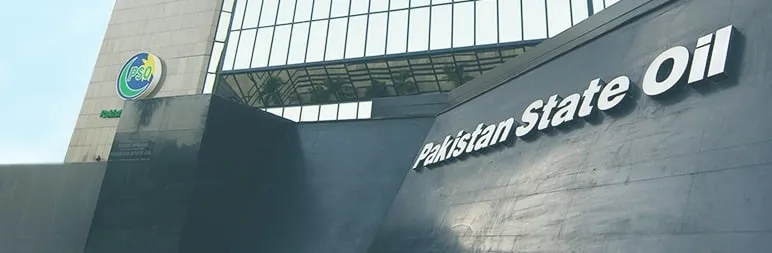
Pakistan State Oil Company Limited grew its petroleum sales by 17.8% year-on-year in the first quarter of FY27, more than double the industry growth of 7.1%, and increased its overall market share by 4.2 percentage points to 45.9%. Pakistan State Oil delivered this growth while keeping fuel flowing across Pakistan amid geopolitical tensions, regional shipping disruptions and volatile international oil prices, ensuring continued supply to the country transport, agriculture, industry, aviation and power sectors.
Reflecting its commitment to safe and reliable operations, Pakistan State Oil recorded zero fatalities, zero lost-time injuries and zero recordable incidents across its owned and controlled locations during the quarter. The company recorded a profit after tax of PKR 25.56 billion for Q1 FY27, translating into earnings per share of PKR 54.44, compared with PKR 9.39 billion and PKR 20.00, respectively, in the corresponding period last year. The performance was driven by higher sales volumes and an improved product mix, partly offset by higher finance costs. At the consolidated level, Pakistan State Oil share in the Group consolidated profit after tax stood at PKR 29.42 billion, with earnings per share of PKR 62.66, including the contribution of Pakistan Refinery Limited.
Mr Asif Baigmohamed, Chairman, Board of Management, Pakistan State Oil, congratulated the Board, Management, employees and shareholders, stating: “It is a distinct honour for this Board to have presided over a tenure in which the Company profitability has risen by several hundred per cent. This achievement reflects the collective commitment and steadfast confidence of all our stakeholders.”
Commenting on the results, Jawwad Ahmed Cheema, Chief Executive Officer, Pakistan State Oil, said: “This quarter, Pakistan State Oil grew at more than twice the pace of the market while keeping fuel available across Pakistan through one of the most disrupted periods for regional supply in recent years. Our gains in market share reflect the trust our customers place in Pakistan State Oil and the dedication of our people, who delivered these results safely. We are strengthening our supply chain by broadening sourcing options, leveraging domestic refinery supplies and building greater resilience against external disruptions. For Pakistan State Oil, securing energy for Pakistan is more than a commercial responsibility; it is a national duty. As we strengthen our core business and invest in emerging energy opportunities, our commitment remains clear: keeping Pakistan moving today while building a more secure, resilient and sustainable energy future.”
Product Segment Performance and Sales Breakdown
Pakistan State Oil recorded growth across key product segments during the first quarter of FY27. Motor gasoline sales rose 23.2% to 968,000 metric tonnes, while high-speed diesel sales grew 12.8% to 759,000 metric tonnes, even as national diesel demand contracted. Aviation fuel sales increased 15.5%, with Pakistan State Oil supplying 99.6% of the Jet A-1 market, while lubricant sales grew 17.4% to 9,970 metric tonnes.
Amid pressure on regional supply routes, Pakistan State Oil imported 16 cargoes of petroleum products totalling 756,000 metric tonnes and uplifted 1.019 million metric tonnes of motor gasoline and high-speed diesel from local refineries. By coordinating imports with domestic supplies and leveraging available sourcing options, the company maintained nationwide fuel availability. Pakistan State Oil also managed Pakistan long-term liquefied natural gas supply portfolio during a period of supplier force majeure, working with the Government to safeguard supplies to the power and gas sectors. Subsequent to the quarter, Pakistan State Oil signed a government-to-government sale and purchase agreement with Oman OQ Trading, broadening Pakistan fuel sourcing options and reinforcing the resilience of its energy supply chain.
Network Expansion and Infrastructure Investments
The company added 37 retail sites during the quarter, taking its network to 3,727 outlets, the largest in Pakistan, and expanded its electric vehicle charging network to 16 locations. Through Pakistan State Oil Renewable Energy and its investments in renewable energy and storage, alongside progress on Pakistan Refinery Limited expansion and upgrade project, Pakistan State Oil is diversifying its business, strengthening its capabilities and preparing for the country evolving energy requirements.
Beyond its operations, the Pakistan State Oil CSR Trust contributed PKR 112 million to education, healthcare and community development across Pakistan, reflecting the company commitment to creating a positive and lasting impact on the communities it serves. Looking ahead, Pakistan State Oil will strengthen Pakistan energy security by diversifying supply sources, reinforcing its supply chain and investing in critical infrastructure and emerging energy solutions. Building on its nationwide presence and core capabilities, the company is positioning itself to navigate the evolving energy landscape and advance towards a more sustainable future. With a legacy of keeping Pakistan moving, Pakistan State Oil remains focused on powering the nation progress and enabling a future of greater opportunity and prosperity for generations to come.
Background of Pakistan Energy Sector and Supply Chain Dynamics
The performance of Pakistan State Oil unfolds against a complex backdrop of macroeconomic shifts and regional logistics challenges. Pakistan energy supply relies heavily on imported petroleum products and liquefied natural gas, making domestic distributors vulnerable to international freight rates and currency fluctuations. In recent years, geopolitical tensions in the Middle East and shipping lane disruptions have repeatedly threatened the steady arrival of crude oil and refined fuels. State-backed entities and domestic refineries must coordinate closely to maintain strategic reserves and cushion the local economy against sudden price shocks.
Refinery upgrades form a critical part of this institutional background. Older processing facilities in Pakistan have historically produced higher proportions of heavy furnace oil and lower yields of high-grade motor gasoline and diesel. Ongoing modernization initiatives, such as those at Pakistan Refinery Limited, aim to convert heavier fractions into cleaner fuels that meet strict environmental standards and reduce reliance on finished product imports. By integrating refining operations with extensive retail distribution networks, major energy firms can better absorb supply chain volatility and protect domestic consumers from shortages.
Explaining Retail Distribution and Petroleum Pricing in Pakistan
Retail distribution of fuel in Pakistan is managed through extensive networks of roadside outlets, storage depots and high-capacity transport fleets. Maintaining thousands of retail sites requires robust logistics management, strict safety protocols and continuous inventory tracking. Companies like Pakistan State Oil operate storage terminals across major transport corridors to ensure uninterrupted supply during peak agricultural harvesting and industrial demand cycles.
Petroleum pricing in the country is regulated through a pricing formula that accounts for international benchmark prices, import premiums, freight costs and government tax structures. Retail margins for oil marketing companies and dealers are determined to ensure commercial viability while preventing excessive price spikes for retail consumers. When global markets experience extreme volatility, state-affiliated distributors play an essential stabilizing role by absorbing short-term shocks and securing alternate import channels through government-to-government agreements.
Impact on Local Industries, Consumers and Economic Sectors
The financial and operational performance of the dominant petroleum distributor has direct consequences for multiple sectors of the national economy. The transport sector relies entirely on consistent supplies of motor gasoline and diesel to move commercial freight and passenger traffic. Any disruption in fuel availability quickly triggers inflation across food and consumer goods due to rising transport costs.
Agriculture depends on diesel-powered tractors, tube wells and harvest machinery, making rural fuel access vital for food security. Similarly, the manufacturing and power generation sectors require dependable fuel and gas inputs to maintain continuous operations without costly unscheduled shutdowns. By expanding its retail network and growing sales volumes faster than the wider market, Pakistan State Oil helps mitigate these risks, providing commercial stability for businesses and protecting everyday consumers from severe supply deficits.