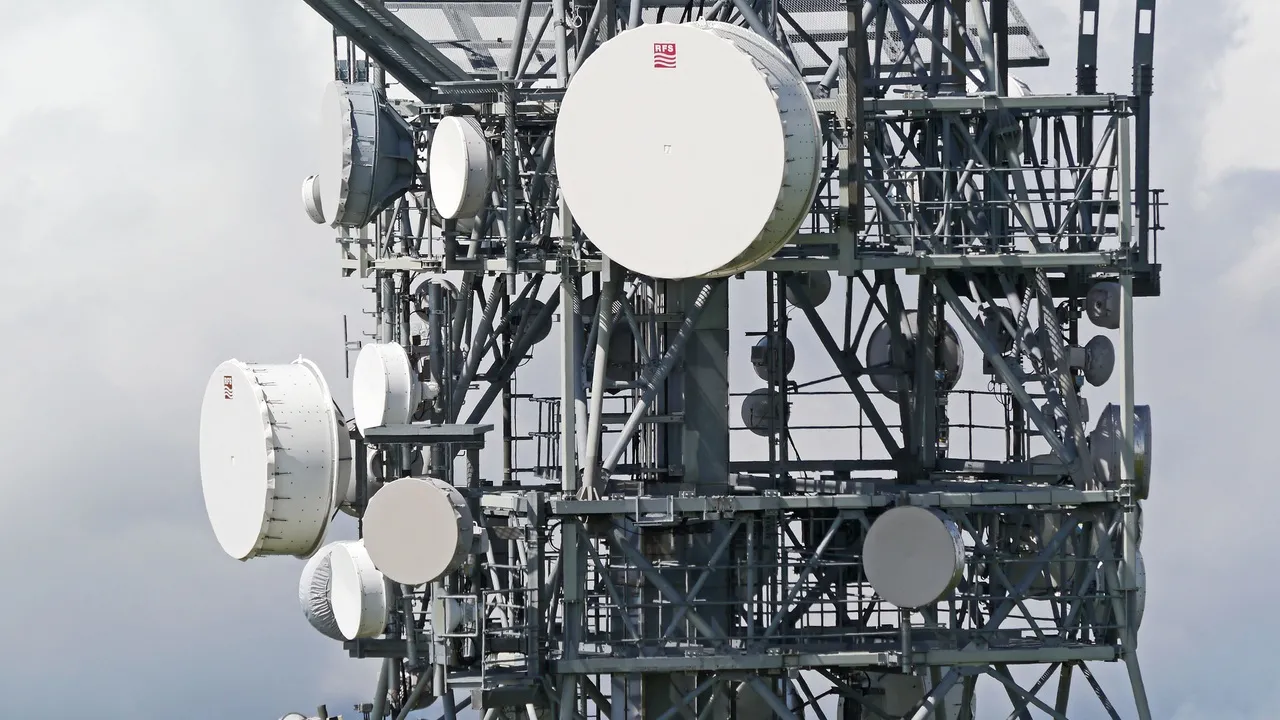
Prime Minister Shehbaz Sharif has directed a special task force to finalize recommendations for extending industrial electricity tariffs to telecommunications infrastructure, potentially reducing operating costs for cellular companies and supporting investment in 5G networks. The directive aims to address long-standing financial pressures faced by mobile operators as they attempt to expand high-speed internet and digital services across the country. By shifting from commercial to industrial power rates, the government hopes to ease the heavy overhead expenses that currently burden cellular networks.
The Prime Minister's Office has asked the task force to consult the Power Division and Finance Division and submit recommendations covering financial implications and a proposed mechanism to absorb the tariff differential. This administrative step follows a joint appeal submitted by the chief executive officers of major telecommunications firms, including Jazz, CMPak Zong, PTMIL Ufone and Telenor, alongside PTCL. These industry leaders urged authorities to recognize their critical role in the national economy by granting them industrial electricity rates for all licensed telecommunications infrastructure.
Why Telecom Operators Are Seeking Industrial Tariff Relief
The companies argue that telecommunications has long been recognized as an industry under government policies and legislation but continues to face commercial electricity rates. They say rising energy costs are making investments in 5G, fiber connectivity, and AI ready data centers increasingly difficult. Operating thousands of base transceiver stations and switching centers requires a massive, continuous supply of electricity, making power expenses the single largest operational hurdle for these companies.
A task force headed by the Secretary of the Ministry of Information Technology and Telecommunication was established on June 29, 2026, to examine industrial power tariffs, smart grid solutions, and dedicated electricity feeders for telecom infrastructure. Its first meeting was held on August 4, 2026, under the chairmanship of the ministry's Special Secretary. During these discussions, officials evaluated the technical requirements and financial adjustments needed to accommodate the sector's demands.
The operators say they have committed approximately $2 billion in investments over the next three years for 5G deployment and fiber expansion, alongside investments in AI ready, Tier III data centers. These capital expenditures are viewed as essential for modernizing the national digital infrastructure. However, the companies maintain that current utility pricing models threaten the viability of such large-scale technology deployments.
Surging Energy Costs Impacting Mobile Networks
According to the telecom CEOs, commercial electricity tariffs for telecom sites have increased approximately 197 percent since 2018, while fuel costs have risen around 300 percent. Average revenue per user has declined approximately 22 percent over the same period, alongside an additional 5 percent withholding tax burden. This combination of soaring operational expenditures and shrinking consumer spending power has squeezed profit margins across the entire sector.
The companies have cited the Mobile Cellular Policy, 2004, and a Ministry of Industries and Production notification issued on April 20, 2004, to support their classification as an industry. They also referred to the Finance Act, 2021, which amended Section 2(29C) of the Income Tax Ordinance to include PTA licensed telecom operators in the definition of an industrial undertaking. Legal recognition as an industry forms the core of their argument for receiving the same tariff benefits granted to manufacturing and production sectors.
The operators further cited a November 9, 2018, NEPRA precedent extending industrial electricity tariffs to dairy and poultry farms. They also pointed to a January 6, 2026, policy directive requiring a task force to examine industrial tariffs, smart grid solutions, and dedicated feeders for the telecom sector. These historical precedents demonstrate that utility regulators have previously adjusted categories for strategic economic sectors facing similar cost pressures.
Proposals for Investment and Grid Safeguards
The companies argue that lower electricity costs would allow them to redirect savings toward 5G deployment, rural connectivity, and fiber to the home expansion. They also claim that industrial tariffs could encourage greater reliance on the national electricity grid instead of solar and other off grid arrangements. Many tower sites currently rely heavily on expensive diesel generators or private solar setups due to the prohibitive cost of commercial power connections.
Industry projections suggest that extending industrial tariffs could reduce the growth of solar off grid operations from 15 percent to 5 to 7 percent while increasing grid utilization by 15 to 20 percent. Operators estimate that higher electricity consumption could offset potential revenue losses for distribution companies within two to three years. These figures are industry estimates and have not been independently verified by government power sector auditors.
To prevent misuse, the companies have proposed a PTA certified eligibility framework covering cellular towers, base transceiver stations, switching centers, exchanges, AI and cloud data centers, fiber nodes, and network operating centers. Corporate offices, customer service centers, franchises, and retail outlets would remain excluded from this special tariff framework to ensure that only core technical infrastructure benefits from the reduced rates.
Creating a New Electricity Tariff Category for Digital Infrastructure
The telecom companies have asked the federal government to issue a policy directive extending industrial electricity rates to eligible telecommunications infrastructure. Alternatively, they have proposed creating a dedicated Digital or Telecom Infrastructure consumer category under the existing tariff framework to streamline billing and regulatory oversight.
They have also requested instructions to distribution companies to implement the revised category within a defined timeframe. The operators have pledged to reinvest the resulting savings in 5G expansion, rural connectivity, and fiber infrastructure, saying the proposed changes would support Pakistan's digital economy and the government's Digital Nation Pakistan vision.