Lahore Traffic Police Crack Down on Smoke-Emitting Vehicles
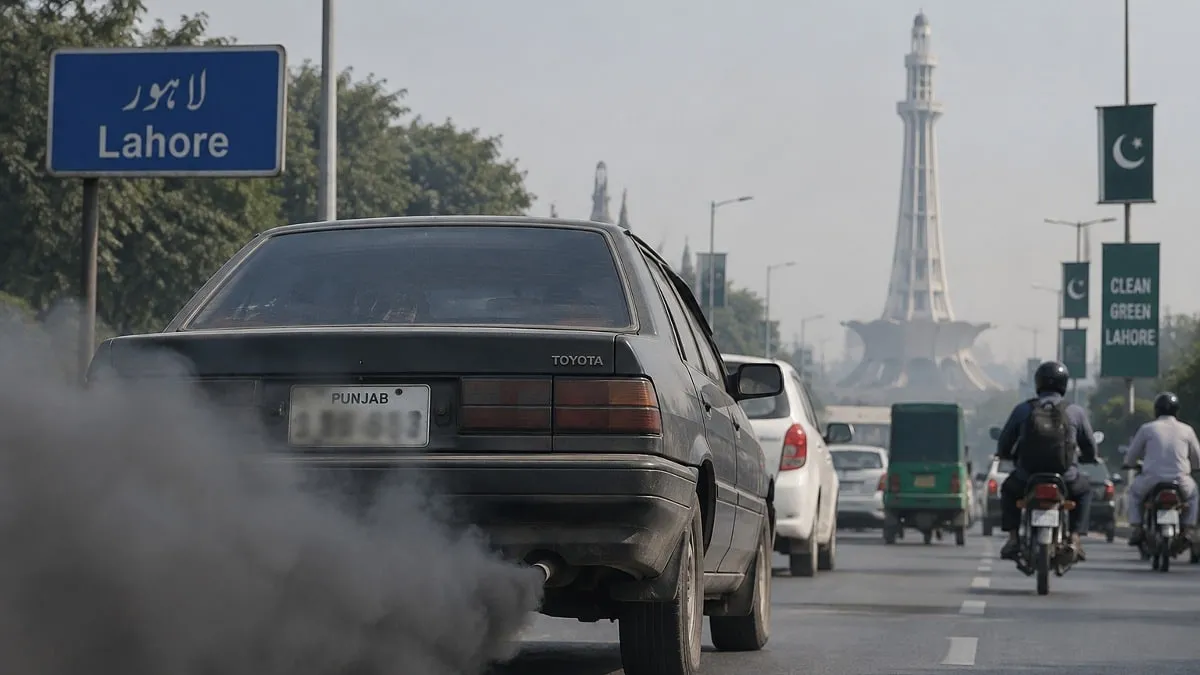
Lahore Traffic Police have stepped up action against vehicles contributing to air pollution as the city faces worsening smog. Authorities are using strict enforcement measures, including traffic challans, license suspensions, and criminal arrests, to curb the dangerous levels of air pollution affecting residents across the urban center.
Chief Traffic Officer Syed Abdul Raheem Shirazi said traffic police had issued challan tickets to 11,871 vehicles for emitting excessive smoke. They had also taken action against 7,919 vehicles transporting sand, soil, and other polluting materials without tarpaulin covers.
Enforcement Actions and Traffic Violations
The enforcement campaign extends beyond visible exhaust emissions to cover various other regulatory violations that exacerbate urban air quality problems. Commercial and private transport operators are facing heightened scrutiny from traffic wardens stationed at major intersections and arterial roads throughout the city.
Police had further acted against 25,833 vehicles operating without fitness certificates or in poor condition and 253,286 vehicles involved in overloading. These mechanical and operational failures contribute directly to inefficient fuel combustion, releasing higher volumes of particulate matter into the atmosphere.
Technology and License Suspensions
To identify polluting automobiles efficiently, law enforcement agencies are incorporating modern technological solutions into their daily operations. Manual monitoring is increasingly supplemented by digital infrastructure designed to track environmental offenders on the move.
Shirazi said authorities were suspending the driving licenses of drivers operating highly smoke-emitting vehicles. They could also suspend the route permits of commercial vehicles. He added that traffic police were using artificial intelligence to identify vehicles emitting smoke.
Criminal Cases and Environmental Law Violations
Beyond traffic management, broader police units are targeting non-vehicular contributors to the regional environmental crisis. Inter-agency coordination has led to penalizing multiple commercial and domestic sources of particulate pollution.
Separately, Lahore Police have arrested 67 suspects and registered 40 cases this year for violating environmental laws and engaging in activities that contribute to smog. A police spokesperson said officers were taking action against polluting factories, vehicles, barbecue points, and other sources of environmental pollution.
Understanding the Smog Crisis in Lahore
Air pollution in Lahore reaches critical levels during specific months of the year, driven by a combination of vehicular emissions, industrial output, crop residue burning, and stagnant weather patterns. Temperature inversions trap pollutants close to the ground, creating a dense layer of smog that poses severe public health risks. Respiratory illnesses, eye irritation, and cardiovascular problems surge among the local population during these high-pollution episodes, prompting authorities to implement emergency response frameworks.
Regulatory Frameworks and Vehicle Fitness Standards
The operation of motor vehicles in Pakistan is governed by provincial transport ordinances and motor vehicle rules that mandate regular fitness inspections. Vehicles must meet specific emission standards and possess valid certificates to operate legally on public roads. However, enforcement has historically faced challenges due to the sheer volume of aging transport fleets, commercial trucks, and informal rickshaws operating without adequate maintenance. The current crackdown represents an aggressive push to enforce existing legal standards that require proper exhaust maintenance and secure cargo transport.
Broader Impact on Transport and Industry
The ongoing enforcement campaign directly impacts commercial transport operators, freight carriers, and daily commuters who rely on older vehicles for their livelihoods. Transporters transporting construction materials face strict mandates to use tarpaulin covers to prevent loose debris from blowing onto roadways and adding to suspended dust particles. Meanwhile, industrial units and commercial cooking establishments such as barbecue points face scrutiny to ensure they comply with municipal environmental guidelines designed to protect air quality.
Future Outlook and Public Vigilance
Authorities have indicated that monitoring and penalization will continue as long as hazardous air quality conditions persist across the region. Citizens are encouraged to maintain their vehicles properly and report flagrant environmental violations to local authorities. The integration of artificial intelligence and automated tracking systems points toward a more permanent shift in how municipal and traffic police handle urban environmental compliance in the coming years.