All Pakistan Public Transport Owners Association Reduces Fares
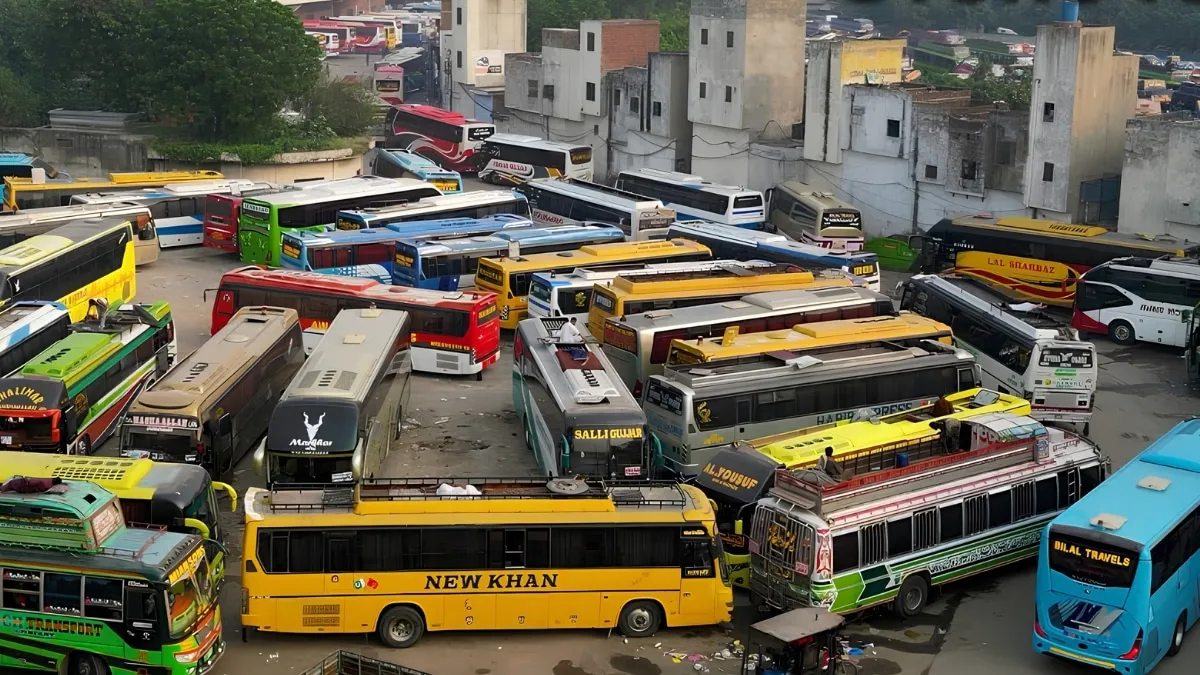
The All Pakistan Public Transport Owners Association has announced a 5% reduction in bus fares on inter-district and interprovincial routes following recent cuts in petrol and diesel prices. This adjustment applies directly to passengers who rely on long distance road travel across the country, providing immediate financial relief during their journeys. Both air-conditioned and non-air-conditioned buses are included in this reduction, ensuring broad coverage for travellers using different classes of service.
The association aims to pass fuel savings on to passengers travelling between districts and provinces. Transport operators acknowledge that fuel is the primary operating cost for public service vehicles, meaning that drops in petroleum prices directly lower the cost of running services. By lowering ticket prices by 5%, transport owners are aligning their fare structures with the decreased cost of petroleum products observed in the market.
Passengers often bear the brunt of high inflation and transportation costs, making this adjustment a welcome development for daily commuters and long-distance travellers alike. Intercity and interprovincial routes connect major economic hubs, rural areas, and regional capitals, meaning that lower travel costs benefit a vast segment of the population. The reduction applies immediately across the designated networks operated by members of the association.
Goods Transport Alliance Follows Suit With Matching Fare Cuts
Meanwhile, the All Pakistan Goods Transport Alliance has also announced a 5% reduction in goods transport fares after the federal government lowered petroleum prices. Freight operators play a critical role in the national supply chain, moving consumer goods, agricultural produce, and industrial materials across different regions. Lowering cargo transportation rates helps reduce the overhead costs borne by merchants and manufacturers.
Alliance President Malik Shahzad Awan said the decision reflected the decline in petrol and diesel prices over the past four to five days. The rapid response by freight operators demonstrates how closely commercial transport rates track government-regulated fuel tariffs. Businesses that rely on trucks and heavy vehicles for distribution expect these savings to translate into lower operational expenses for commercial logistics.
Malik Shahzad Awan thanked the prime minister and the federal petroleum minister for providing relief. However, he also urged the government to reduce fuel prices further to ease costs for the transport sector. Transport operators continue to face other financial pressures, including vehicle maintenance, spare parts, and toll taxes, which influence their overall business viability.
Current Petroleum Prices After Government Revisions
Following the latest adjustment, petrol now costs Rs. 352.59 per liter after a reduction of Rs. 9.41. Diesel prices have fallen by Rs. 5.56 per liter to Rs. 382.25. These revisions were implemented by the federal government as part of its regular pricing review for petroleum products, responding to international market trends and local economic indicators.
Fuel pricing in the country is managed through regular fortnightly or monthly reviews by the government, affecting every sector of the economy. When global crude oil prices fluctuate or exchange rates shift, the state adjusts retail rates at petrol pumps accordingly. The recent decreases provided the fiscal room needed for transport bodies to pass savings down to the end consumer.
Diesel is particularly critical for the transport sector because the vast majority of buses, trucks, and heavy commercial vehicles run on high-speed diesel. Therefore, the drop of Rs. 5.56 per liter directly impacts the operating margins of fleet owners. Petrol price cuts similarly benefit smaller passenger vans and private vehicles, creating a cascading effect on mobility expenses.
Impact on Passenger Travel and Goods Transportation
The announcements extend the impact of the fuel price cuts to both passenger travel and goods transportation, with the two transport bodies announcing matching fare reductions. Coordinated announcements from both the passenger transport owners and the goods transport alliance highlight a unified approach to passing on fuel-related savings to the public and business community.
For everyday citizens, the reduction in bus ticket prices makes visiting family, travelling for work, or conducting business between provinces more affordable. Transportation constitutes a significant portion of household budgets for frequent travellers, and a 5% saving helps alleviate some of the financial strain caused by broader inflationary pressures.
On the commercial side, lower freight charges can help stabilize or reduce the prices of essential commodities distributed across different provinces. When the cost of moving goods declines, merchants spend less on logistics, which can prevent further price hikes on everyday items in local markets. Both transport sectors remain watchful of future fuel price announcements to determine if further adjustments to fares will be necessary.