Understanding Pakistanis Spend Rs. 100 Billion on Dry Fruits Every Year
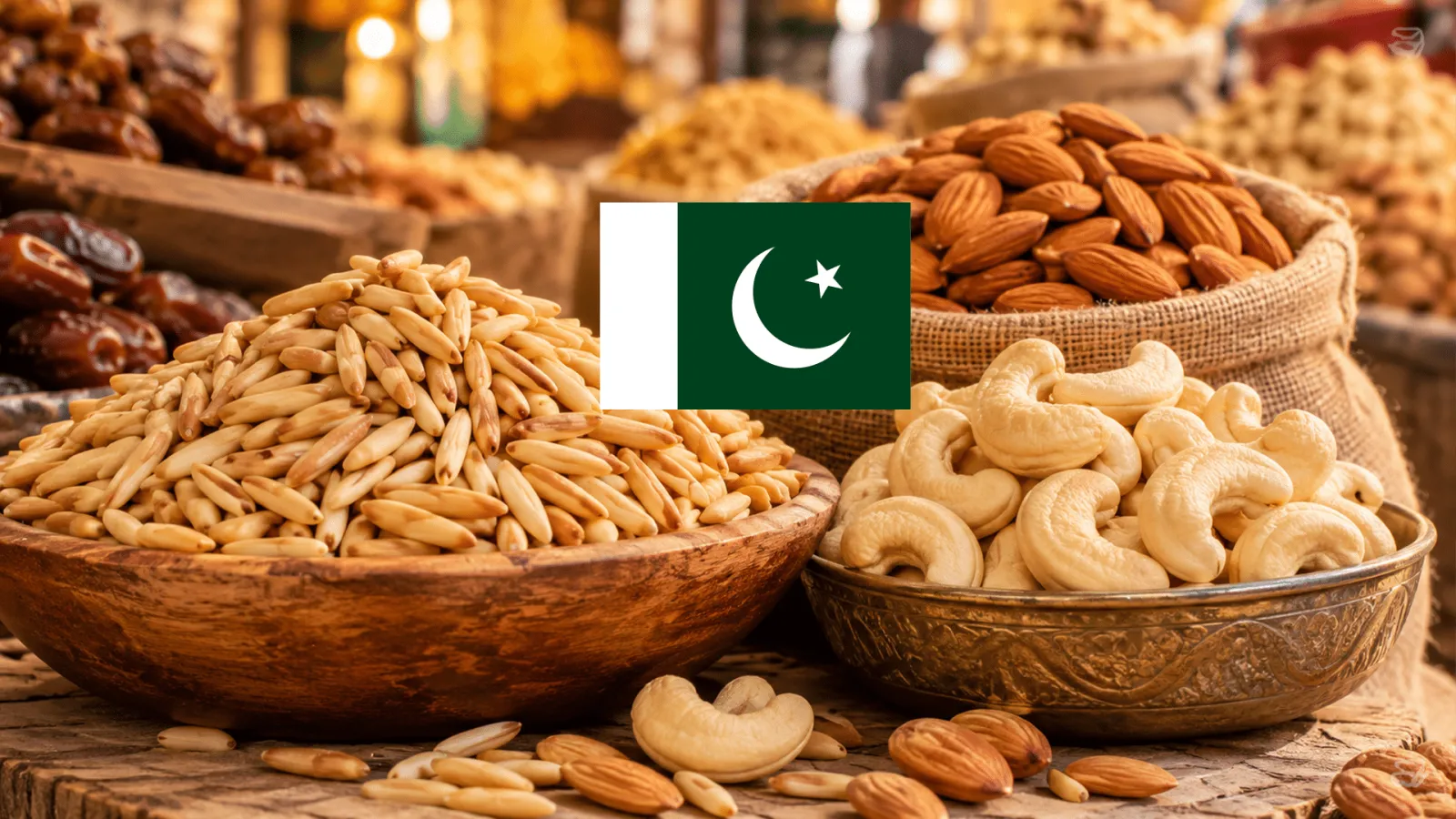
Winter brings the familiar sight of chilgoza sellers, almond stalls and bowls of the largely mixed Rs. 100 billion dry fruits market across Pakistan. But the expensive winter treat remains out of reach for most households, with just a small share of families buying premium nuts.
Pakistani households spend an estimated Rs. 98 billion annually on dry fruits, according to a household consumption analysis by Gallup Pakistan Digital Analytics based on the Household Integrated Economic Survey (HIES) 2024-25. This massive expenditure highlights the economic weight of seasonal consumption habits within the country, reflecting both traditional dietary preferences and the financial realities faced by citizens during colder months.
Breakdown of Premium Versus Affordable Dry Fruit Spending
Of this amount, around Rs. 56 billion goes towards almonds, walnuts, pistachios and cashews. These items are traditionally viewed as high-end purchases, often reserved for special occasions, gifting, or consumption by higher-income brackets seeking nutritional benefits during the winter season.
Only 7 percent of households, or approximately 2.7 million homes, bought these items during a typical two-week period. Those who purchased them spent an average of around Rs. 800 during that timeframe, underlining the steep cost relative to standard grocery budgets.
The remaining Rs. 42 billion is spent on more affordable dry fruits and related products, including dried dates, peanuts, coconut and sesame. Around 12 percent of households, equivalent to 4.6 million homes, bought these items during a two-week period, spending approximately Rs. 350. These budget-friendly options provide a accessible alternative for families desiring seasonal snacks without straining their finances.
Income Disparities in Dry Fruit Consumption Patterns
Economic stratification plays a major role in determining who can afford these seasonal delicacies. Among the richest 20 percent of households, 15.5 percent bought premium nuts during the survey period, showing a much higher rate of access among wealthy segments of the population.
The share dropped to just 3.6 percent among the poorest 20 percent, illustrating a clear divide in purchasing power across different social classes. Cheaper products such as peanuts and dried dates, meanwhile, reach a much wider range of households across income groups, bridging the gap for families with limited disposable income.
Province-Wise Sales and Regional Buying Habits
There are also significant regional differences in how various provinces consume these goods. Khyber Pakhtunkhwa recorded the highest household purchase rate for premium nuts, with 14.4 percent of households buying them. The rate stood at 5.9 percent in Punjab and 3.9 percent in Sindh, pointing to distinct cultural and dietary preferences across provincial boundaries.
Islamabad had a particularly high purchase rate for everyday dry fruits, with 38 percent of households buying items in this category. Urban centers like the federal capital often display different consumption habits compared to rural areas due to higher average income levels and greater availability of diverse retail goods.
Import Trends and Foreign Trade in Nuts
Trade figures offer another indication of Pakistan's growing appetite for imported nuts. Recorded imports of shelled cashews jumped from 329 tons in 2023 to 3,107 tons in 2024, with almost all supplies coming from Vietnam. These imports were valued at around $10.5 million, marking a substantial increase in foreign sourcing to meet local demand.
In January 2025, Karachi Customs also set assessed import values of $4.5 to $4.7 per kilogram for raw cashews. However, imported cashews represent only part of the country's overall dry fruit consumption. Pakistan produces much of its own almonds and walnuts, while most pistachio supplies come from Iran and Afghanistan, highlighting a mix of domestic agriculture and regional trade.





