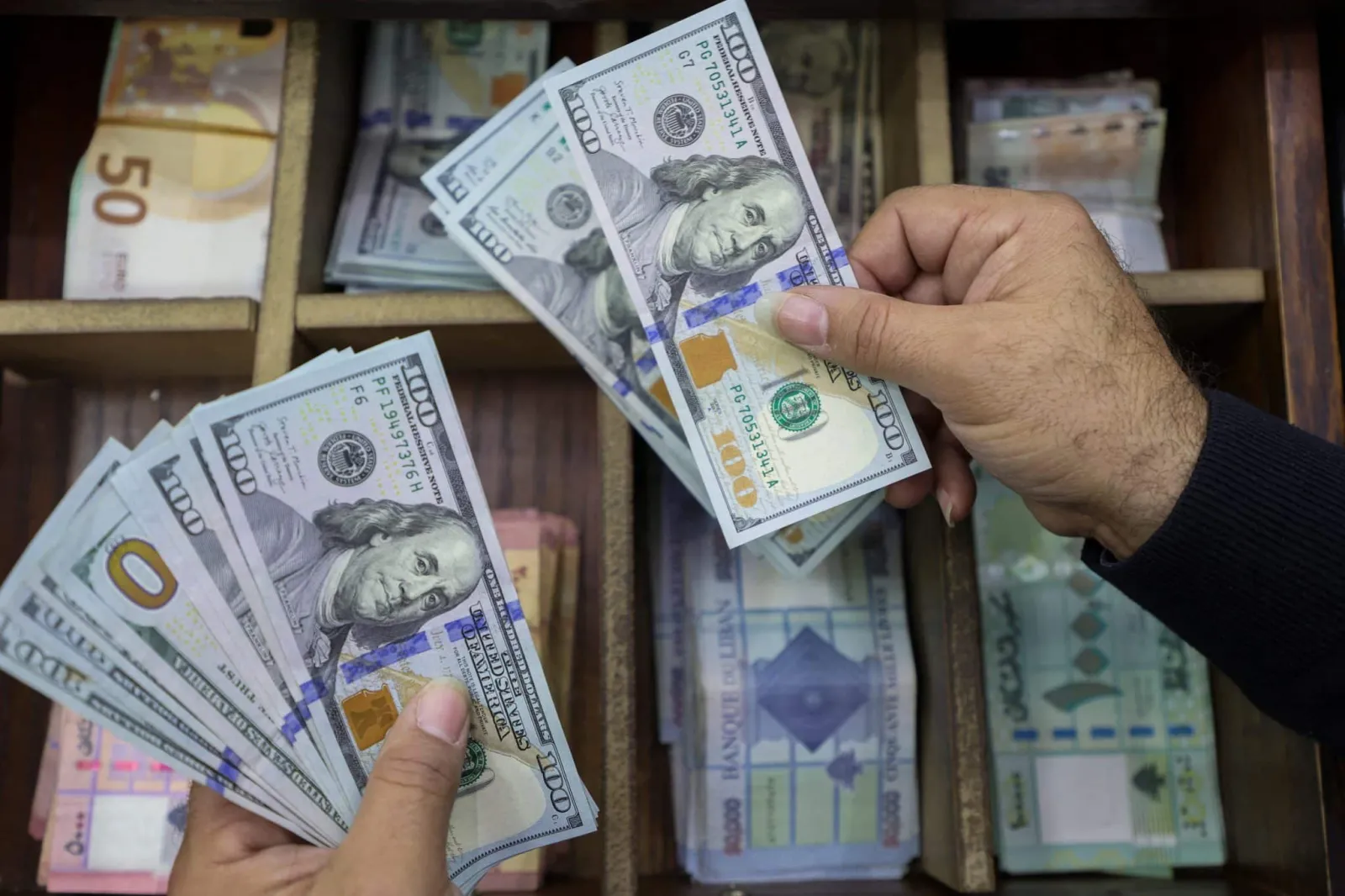
The State Bank of Pakistan (SBP) announced that its foreign exchange reserves increased by $15 million to $21.587 billion for the week ended 13 November 2026, while total liquid foreign reserves fell $64 million to $26.775 billion.
The figures show a mixed picture: the central bank recorded its fifth consecutive weekly gain, yet the broader pool of liquid reserves, which includes commercial-bank holdings, declined.
What the Latest Reserve Numbers Reveal
SBP's statement confirms that the central bank's own holdings rose from $21.572 billion to $21.587 billion, a $15 million increase. This marks the fifth week in a row that the SBP has posted a gain, indicating a short-term upward trend in its balance sheet.
When the commercial-bank component is added, the total liquid foreign reserves stand at $26.775 billion. This total is $64 million lower than the $26.839 billion reported a week earlier.
Commercial banks saw their net foreign-exchange reserves drop from $5.266 billion to $5.188 billion, a fall of $78 million. The decline in the commercial-bank segment more than offsets the SBP's modest gain, resulting in the overall dip.
How Pakistan's Foreign Reserves System Works
Pakistan's foreign-exchange reserves are split between two main custodians. The SBP holds the core reserve, used for monetary-policy operations, market interventions, and debt servicing. Commercial banks maintain separate net foreign-exchange positions that are counted as part of the country's liquid reserves because they can be mobilised quickly in market transactions.
The term "liquid foreign reserves" refers to assets that can be readily converted into cash without significant loss of value. In Pakistan's case, this includes the SBP's holdings of foreign currency, gold, and Special Drawing Rights, plus the net positions of commercial banks.
These reserves serve several policy goals: they provide a buffer against external shocks, support the national currency, and reassure international investors and rating agencies about the country's ability to meet external obligations.
Why the Weekly Movements Matter
Weekly changes in reserves are closely watched by market participants, analysts, and policymakers. A rise in SBP's own reserves often signals successful foreign-exchange market interventions, such as buying foreign currency to stabilise the rupee.
Conversely, a fall in commercial-bank reserves can indicate net outflows, possibly due to higher import bills, debt repayments, or capital flight. The $78 million drop in bank reserves suggests that commercial entities are drawing down their foreign-exchange buffers faster than the central bank is replenishing them.
Even a modest $64 million decline in total liquid reserves can affect the country's external debt-servicing capacity and its standing with credit rating agencies, especially when trends persist over several months.
SBP's Forward Targets and Their Feasibility
The central bank has set a goal of reaching $23 billion in reserves by December 2026 and $25 billion by June 2027. These targets are part of a broader strategy to strengthen the external position ahead of upcoming debt-servicing milestones and to provide a cushion against potential balance-of-payments pressures.
Achieving the $23 billion mark by the end of 2026 would require an average weekly increase of roughly $1.4 million from the current $21.587 billion level, assuming no major outflows. The longer-term $25 billion target by mid-2027 would need sustained inflows or reduced outflows over the next eight months.
Factors that could influence progress include export performance, remittance flows, foreign-direct investment, and the central bank's ability to manage the foreign-exchange market without triggering excessive volatility.
Historical Context of Pakistan's Reserve Levels
Pakistan's foreign-exchange reserves have fluctuated widely over the past decade, often reflecting external shocks such as global commodity price swings, domestic fiscal imbalances, and geopolitical developments. In 2020, reserves fell below $10 billion, prompting a series of policy adjustments and IMF-backed programmes.
Since then, the SBP has pursued a policy of gradual reserve accumulation, aided by higher remittances and a modest rebound in exports. The current level of $21.587 billion for the central bank sits above the 2020 trough but remains below the $30 billion benchmark that many analysts consider a comfortable safety net for a country of Pakistan's size.
Understanding this trajectory helps explain why even a $64 million dip draws attention: it is part of a larger narrative about how Pakistan is managing its external vulnerabilities.
Potential Impact on Stakeholders
Businesses that rely on imported inputs, such as textile manufacturers and pharmaceutical firms, monitor reserve levels to gauge the risk of currency depreciation. A shrinking liquid reserve pool can translate into tighter foreign-exchange availability, potentially raising the cost of imports.
For the general public, reserve movements affect the stability of the Pakistani rupee. A stable or appreciating rupee helps keep inflation in check, preserving purchasing power.
International investors and lenders use reserve data as a proxy for credit risk. A clear path toward the $25 billion target could improve Pakistan's borrowing terms, while persistent declines might lead to higher spreads on sovereign bonds.
What to Watch Going Forward
Analysts will be tracking several indicators in the weeks ahead:
- Weekly changes in SBP's own reserves and commercial-bank net positions.
- Export and remittance trends, which are primary sources of foreign-exchange inflows.
- External debt service schedules, especially any large repayments due in the next quarter.
- Policy statements from the SBP regarding market intervention strategies.
Any deviation from the projected path toward $23 billion by December will likely prompt a reassessment of the June 2027 target.
Practical Takeaways for Readers
If you are a business that imports goods, stay in touch with your bank's foreign-exchange desk to understand any changes in pricing or availability. For investors, keep an eye on SBP's weekly reserve releases as an early signal of macro-economic stability.
For the broader public, the reserve figures are a reminder that external economic health directly influences domestic price stability and the cost of living.