Peshawar Police Equips Clerks With Body Cams Under New Surveillance System
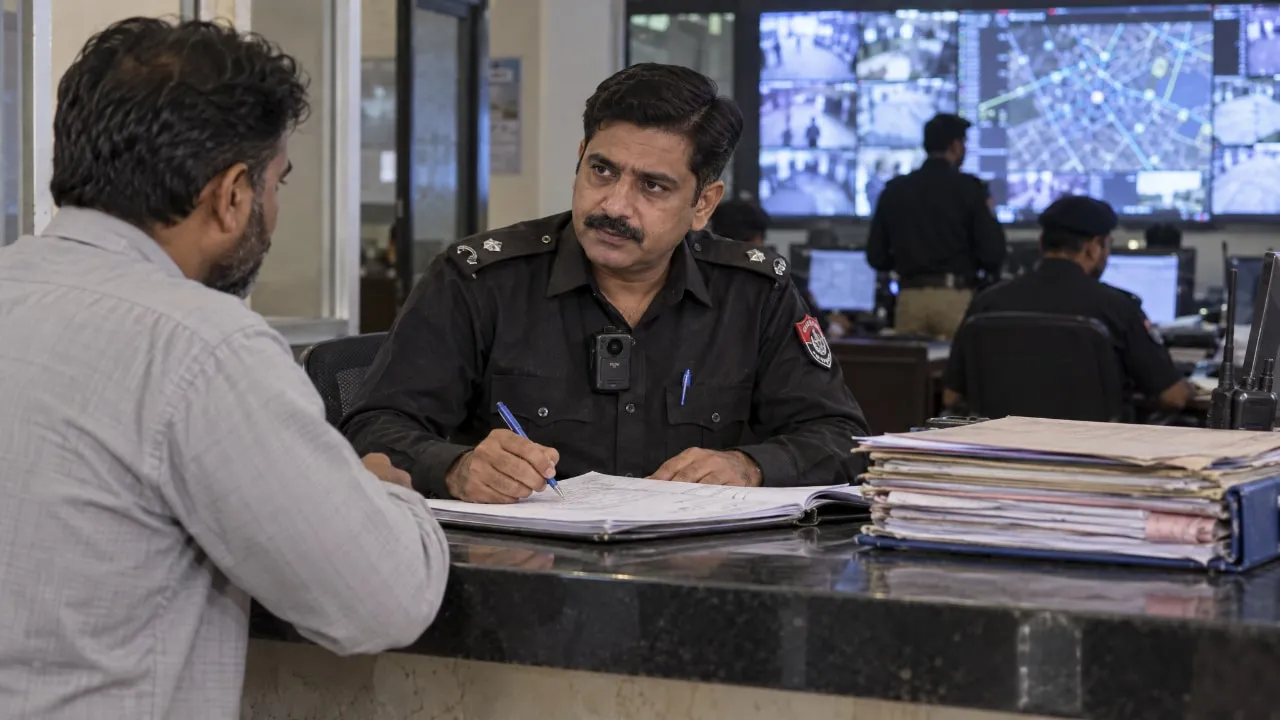
Police have equipped clerical staff at all police stations in Peshawar with body-worn cameras to monitor their conduct and interactions with the public under a new surveillance system.
This initiative represents a significant operational shift in how law enforcement agencies manage day to day administrative duties at the precinct level. By placing wearable technology on station clerks, the department intends to create an unbroken digital record of public engagement from the moment a citizen steps inside a station house to file a report or seek assistance.
How the Peshawar Police Body Camera System Works
The cameras will be connected to the Capital City Police Officer's (CCPO) office at Police Lines and record interactions between police station clerks (muharrars) and visitors, complaint handling, and other official proceedings during duty hours. The technical infrastructure relies on a centralized feed that streams or stores video data directly for administrative oversight.
Station clerks, locally known as muharrars, hold a critical position within the police station hierarchy. They are responsible for logging First Information Reports, managing station diaries, and receiving initial complaints from citizens. By monitoring these specific points of contact, senior leadership gains a direct window into the daily operational realities of local precincts.
Why the Move Was Initiated by Peshawar Police
CCPO Dr Mian Saeed Ahmad said the initiative aimed to improve transparency, accountability and professional standards by ensuring direct oversight of clerical staff and their dealings with citizens.
He said all muharrars had been directed to record their interactions with complainants and official proceedings to maintain a record of their conduct and performance. The deployment addresses long standing concerns regarding public grievances about station house culture, ensuring that citizen interactions meet professional benchmarks.
Integration With the Safe City Project
Police officials said the cameras would also be linked to the Safe City system, with footage monitored from the CCPO's office. Recordings could be used as evidence in cases involving allegations of misconduct, inappropriate behaviour or mistreatment of citizens.
The Safe City initiative generally involves wide area surveillance networks, and integrating wearable devices into this architecture expands central command capabilities. Instead of relying solely on fixed closed circuit television cameras in hallways or waiting areas, the new setup captures the exact perspective of the staff member handling the desk.
Understanding the Role of Station Clerks and Public Complaints
For ordinary citizens visiting a police station in Peshawar, the muharrar is usually the first official point of contact. Historically, the quality of this initial interaction heavily influences public perception of the entire justice system. Delays, discourtesy, or failure to properly document grievances have often led to friction between the community and law enforcement.
By recording these exchanges, the department protects both the public and honest workers. Citizens have an objective record of their visit, while personnel have proof that they followed proper protocols during tense or difficult situations.
Broader Context of Police Reforms in Khyber Pakhtunkhwa
Peshawar operates under the administrative framework of the Khyber Pakhtunkhwa police, which has historically introduced various technological upgrades to modernize force management. Surveillance integration, computerized complaint management systems, and specialized training units form part of a long term strategy to professionalize provincial policing.
While past reforms often focused on operational units, patrol forces, or traffic management, this new directive zeroes in on the administrative backbone of the precinct. Clerical staff rarely patrolled the streets, yet their desks handled the bulk of public paperwork, making this deployment a targeted approach to internal accountability.
What Happens Next for Peshawar Police Stations
With the body cameras now issued to clerical staff across all precincts in Peshawar, implementation moves into the monitoring phase. Senior officers stationed at the CCPO office will review feeds and recordings to ensure compliance with the new directives.
Observers and residents will watch to see how consistently the devices remain active during shifts and how leadership handles footage when complaints arise. The success of the program depends on strict adherence to recording protocols and transparent internal reviews when video evidence is invoked.





