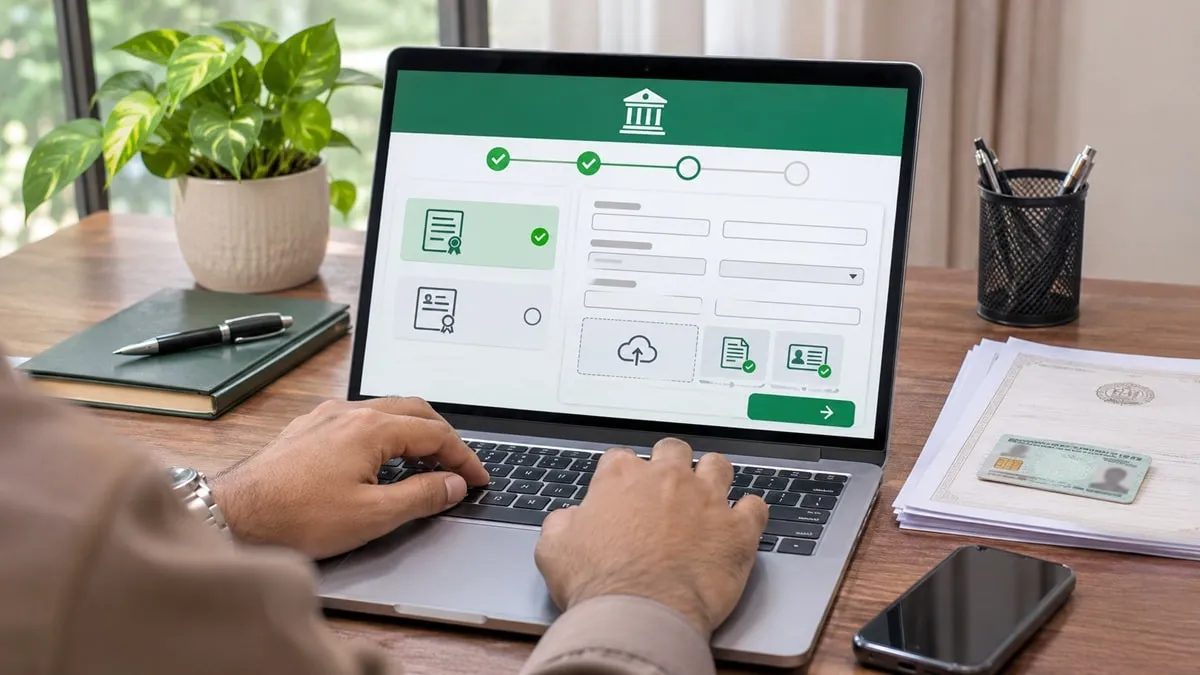
Sindh Chief Secretary Asif Haider Shah inaugurated an online portal that allows residents to apply for domicile certificates and Permanent Residence Certificates (PRCs) without visiting government offices.
What the New E-Domicile and PRC Portal Does
The portal, branded as the E-Domicile and PRC system, lets users submit applications through a mobile app. According to the chief secretary, the digital route reduces a process that previously took up to a week to just a few hours.
Why the Portal Matters for Citizens
Applying for a domicile certificate is often the first interaction young people have with government offices in Sindh. By making the process faster and more convenient, officials say the portal will improve public confidence in government services.
How the System Improves Security and Verification
Chief Secretary Shah said the digital system will strengthen document verification and help prevent fraudulent applications and the use of fake documents. The portal integrates biometric checks and cross-checks with existing civil-registry databases, reducing the risk of duplicate or forged entries.
Implementation Timeline and Geographic Rollout
The service will be gradually expanded to other districts across Sindh. The first phase covers major urban centers, with plans to reach rural districts within the next twelve months. Officials have set milestones for onboarding district-level staff and training them on the new workflow.
Background: Domicile and PRC Certificates in Sindh
Domicile certificates confirm a person's permanent residence in a province and are required for university admissions, government jobs, and land-ownership matters. Permanent Residence Certificates (PRCs) serve a similar purpose for individuals who have lived in Sindh for an extended period but may not meet the strict domicile criteria. Historically, both certificates have been issued through paper-based applications that required in-person visits, manual verification, and often long waiting periods.
How the Portal Works: Step-by-Step Guide
Applicants download the official mobile app, create an account using their national ID number, and fill out the required fields. The app prompts users to upload scanned copies of supporting documents, such as birth certificates, school records, or utility bills. After submission, the system assigns a tracking number and notifies the applicant of each verification stage via SMS.
Impact on Government Efficiency
By automating verification, the portal reduces the workload of clerks who previously handled paper files. Early internal reports suggest a 60 % reduction in manual data entry and a 40 % cut in processing costs. The faster turnaround also means citizens can obtain the certificates they need for education, employment, and property matters without delay.
Potential Challenges and Mitigation Measures
Digital inclusion remains a concern in remote areas where internet access is limited. To address this, the Sindh government plans to set up community kiosks equipped with trained staff to assist residents in completing online applications. Additionally, a helpline will operate 24 hours a day to resolve technical issues.
What Comes Next: Future Digital Services
The launch of the E-Domicile and PRC portal is part of a broader e-government strategy that includes online land-record management, digital tax filing, and electronic voting registration. Officials have indicated that once the domicile service is stable, similar platforms for birth and death certificates will be introduced.
Practical Takeaways for Residents
Anyone needing a domicile or PRC certificate should download the official app, ensure their national ID is active, and gather digital copies of required documents before starting the application. The portal's tracking feature allows users to monitor progress and receive alerts when additional information is needed.
For residents in districts where the portal is not yet live, the traditional paper process remains available, but officials encourage waiting for the digital rollout, which promises faster service and stronger fraud protection.
Expert Opinions on the Digital Shift
Local governance experts note that the portal aligns with Pakistan's National Digital Policy, which seeks to bring essential services online by 2025. They argue that successful implementation will depend on sustained training for staff and continuous upgrades to the underlying database architecture.
Technology analysts point out that the use of mobile-first design is appropriate for Sindh, where smartphone penetration exceeds 70 % among urban youth. They caution, however, that security audits must be conducted regularly to safeguard personal data.
Overall, the E-Domicile and PRC portal represents a concrete step toward reducing bureaucratic friction and enhancing transparency in public service delivery.





