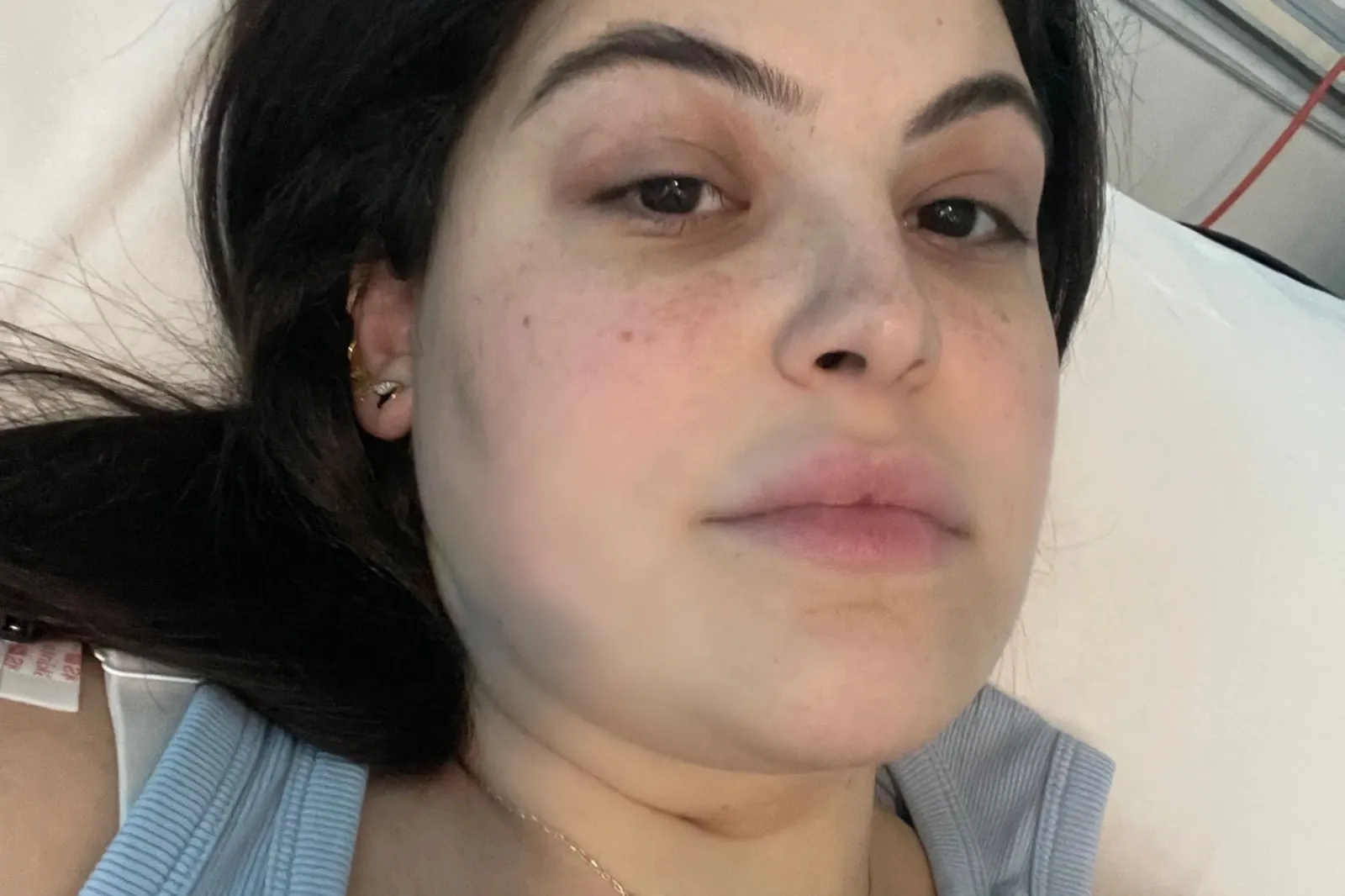
Active, healthy, and a keen gym-goer, 27-year-old Batoul Chreifi considered herself fit before a persistent shoulder pain began keeping her awake at night. Working as a pharmacist in Oxford, she naturally attributed her physical discomfort to weightlifting, believing she had simply strained a muscle while progressing with her training routine.
However, what followed was a terrifying medical journey that led to a diagnosis of stage four diffuse large B-cell lymphoma, a fast-growing form of blood cancer. Her experience highlights how easily serious internal conditions can hide behind everyday physical explanations, delaying crucial medical attention and leaving patients grappling with sudden, life-altering news.
How Shoulder Pain and Gym Injuries Can Mask Serious Blood Cancers
When Batoul first sought help from her general practitioner, she was convinced the discomfort stemmed from her increased weights in the gym. The GP prescribed painkillers, but the reality of her condition quickly revealed itself when she took her first dose of codeine and suffered a fainting episode in the middle of the night.
That alarming incident made her realise something was seriously wrong inside her body. She took a few days off work, initially suspecting internal fluid retention in her chest, but her symptoms soon escalated to include shallow breathing and frequent nighttime heart palpitations.
The pain eventually spread into her chest, accompanied by a constant pressure that refused to subside. The turning point arrived in August last year when she noticed a major physical change in her arm, which had suddenly become swollen and turned blue in colour.
Recognizing the Warning Signs of Lymphoma in the Chest
Recognising that something strange was happening inside her body, Batoul went to A and E just two hours after noticing her arm change colour. A clinician immediately spotted the signs of a severe medical issue, ordering a chest X-ray that revealed a white mass, followed by a detailed CT scan.
A consultant delivered the devastating news, stating they had a strong suspicion of lymphoma. Batoul experienced complete denial, feeling anger, shock, and a deep sense of unfairness because she associated lymphoma strictly with cancer.
Medical evaluations later confirmed that the tumors in her chest were entirely responsible for her breathlessness, shoulder pain, and chest discomfort by obstructing normal blood flow. Living in a house share at the time, she was admitted to hospital for eight days because the chest tumor was causing dangerous cardiac effects, including fluid around her heart.
Understanding Diffuse Large B-Cell Lymphoma Symptoms
Diffuse large B-cell lymphoma is a type of fast-growing non-Hodgkin lymphoma and represents a significant category of blood cancer. The most common symptom involves one or more painless swellings in areas like the armpit, which can start or worsen within a matter of weeks.
Patients may also experience general symptoms such as heavy sweating at night, high temperatures that come and go without an obvious cause, and substantial weight loss exceeding one tenth of total body weight. Because this cancer can develop outside the lymph nodes, symptoms vary widely depending on the location.
When the disease grows in the tummy or bowel, it might cause pain, diarrhea, or bleeding, while growth in the chest typically triggers breathlessness or a persistent cough. Following a biopsy and PET scan, Batoul received her full diagnosis of stage four diffuse large B-cell lymphoma two weeks after her initial hospital admission.
Undergoing Intensive Chemotherapy at Age Twenty-Seven
Hearing the full diagnosis alone in a nurse office left Batoul completely overwhelmed, leading to a silent breakdown where she struggled to speak. Just four days later, in early September, she began an aggressive course of chemotherapy designed to tackle the fast-moving disease.
Because she was twenty-seven, her body was considered strong enough to cope with treatment every two weeks instead of every three, making an already intense regime even harsher. The physical toll included severe nausea, hair loss, and the cessation of her menstrual cycle, alongside multiple hospitalizations for fevers and infections due to a compromised immune system.
Her treatment protocol consisted of six chemotherapy sessions, with radiation standing ready as the next step if necessary. Fortunately, her post-chemotherapy scans have remained clear so far, sparing her from needing radiation therapy.
Recovery and Raising Awareness for Blood Cancer
Mentally, the treatment proved just as difficult as the physical hardships, leaving Batoul feeling as though life had been paused while time moved slowly around her. She finished her final round of chemotherapy in mid-November and is now slowly recovering, with good scan results despite not yet being officially in remission.
She has managed to rejoin the gym and gradually socialise again while remaining under close medical monitoring, and she is currently studying a new diploma in Pharmacy. To help others, she is supporting Lymphoma Action and their campaign encouraging people to open up about their health.
Batoul urges everyone never to ignore or normalise pain, advising people to seek professional medical advice and prioritize themselves without guilt when facing life-changing health challenges.