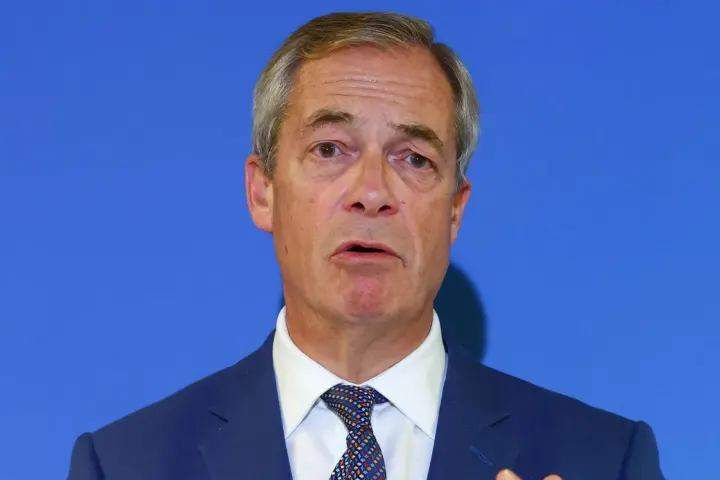
Prime Minister Rishi Sunak praised Alan Milburn's new welfare report on Wednesday, calling it a "watershed moment" for benefit provision, even as the document's modest cuts to NEET benefits are unlikely to curb a benefits bill that is projected to rise to £430 billion a year.
The endorsement comes as the Labour-appointed jobs czar prepares to submit his long-awaited inquiry into the causes of the NEET crisis - a situation where a million young people are neither in education, employment nor training.
What the Milburn Report Proposes for NEET Benefits
Milburn's analysis recommends trimming benefit payments that currently cost £4 billion annually for young people classified as NEETs. If the government were to cut half of those payments, the savings would amount to £2 billion.
In addition to the cuts, the report outlines a £6 billion start-up cost for new initiatives, including a pledge to double the number of apprenticeships available to young people. The apprenticeship target aligns with a long-standing campaign by The Sun on Sunday to expand vocational training.
Even with the full £2 billion in NEET savings, the figure represents a small fraction of the overall benefits spending trajectory. Official forecasts show the total welfare bill climbing toward a staggering £430 billion per year, a level that would dwarf the modest reductions proposed.
Why the Report Matters to the Wider Welfare Debate
Since Keir Starmer's attempt two years ago to trim benefits by £5 billion was defeated by a rebellion of left-wing backbenchers, Labour has struggled to present a credible plan for reducing welfare outlays. Milburn's recommendations mark the first senior Labour figure to openly suggest benefit reductions for a specific group since that episode.
Prime Minister Sunak's praise signals a potential shift in the political calculus. While the Prime Minister has previously framed welfare reform as a matter of fiscal responsibility, his description of the report as a "watershed moment" suggests he sees it as a new strategic direction for the government's approach to benefit provision.
How the Proposed Changes Could Affect Young People
NEETs currently receive a range of benefits, including Jobseeker's Allowance, Universal Credit, and youth-specific supplements. Cutting half of these payments would reduce the cash flow to a segment of the youth population that already faces high rates of unemployment and low educational attainment.
Supporters argue that tighter benefit conditions could incentivise participation in apprenticeships and other training programmes, thereby improving long-term employability. Critics warn that reduced cash support may push vulnerable youths further into poverty, especially if apprenticeship placements are insufficient to absorb the demand.
Fiscal Context: The Growing Benefits Bill
The United Kingdom's welfare spending has risen steadily over the past decade, driven by demographic changes, rising living costs, and expanded eligibility criteria for programmes such as Universal Credit. The Treasury's latest projection places the annual benefits bill at £430 billion, a figure that dwarfs the £2 billion savings Milburn proposes.
Even the £6 billion start-up cost for new apprenticeship schemes and related initiatives will be absorbed within the broader fiscal framework, leaving the overall trajectory of welfare spending largely unchanged in the short term.
Political Reactions and the Likelihood of Implementation
Labour backbenchers who previously rebelled against Starmer's £5 billion cut are expected to be less resistant this time, according to insiders. Andy Burnham, the new Labour leader, appears inclined to accept Milburn's recommendations and manage any minor dissent.
Prime Minister Sunak's public endorsement may also dampen opposition from Conservative MPs who have traditionally championed fiscal restraint. However, the report's modest savings mean that any political capital gained will be limited, and the broader debate over the size of the benefits bill will continue.
What Comes Next: Timeline and Next Steps
Milburn's report is slated for formal submission to the Department for Work and Pensions within the next two weeks. Following submission, the government will conduct a cost-benefit analysis and consult with stakeholders, including trade unions, employer groups, and youth advocacy organisations.
The apprenticeship expansion plan is expected to roll out over the next decade, with the first wave of new training places announced in the fiscal year 2027-28. Monitoring and evaluation frameworks will be established to assess the impact on NEET employment rates.
Meanwhile, the Treasury will continue to publish quarterly updates on the overall benefits bill, allowing Parliament and the public to track whether the projected £430 billion figure materialises.
Public Sentiment and Wider Social Commentary
Beyond the political arena, the report has sparked a broader conversation about the role of the state in supporting young people. A new government guide urging students to take out the bins, clean the fridge and polish their phones has drawn criticism for its perceived "nanny-state" tone.
Food Standards Agency officials have reportedly spent taxpayer money advising freshers on basic hygiene practices, a move that some commentators view as an overreach of bureaucratic authority. Critics argue that treating adults like toddlers may provoke backlash, echoing the sentiment that "if you treat people like toddlers, they will throw their toys out of the pram."
These cultural critiques underscore a growing frustration with perceived paternalism in public policy, especially among younger demographics who feel both over-regulated and under-supported.
Bottom Line: Modest Savings Amid a Massive Welfare Bill
While Alan Milburn's welfare report introduces a handful of policy shifts - notably a potential £2 billion reduction in NEET benefits and a £6 billion investment in apprenticeships - the impact on Britain's overall benefits expenditure will be marginal. The projected £430 billion annual welfare bill remains on track, suggesting that any meaningful fiscal restraint will require broader, more systemic reforms.
For now, the political narrative will focus on the symbolism of the Prime Minister's endorsement and the Labour leadership's willingness to entertain benefit cuts, even as the numbers tell a different story.