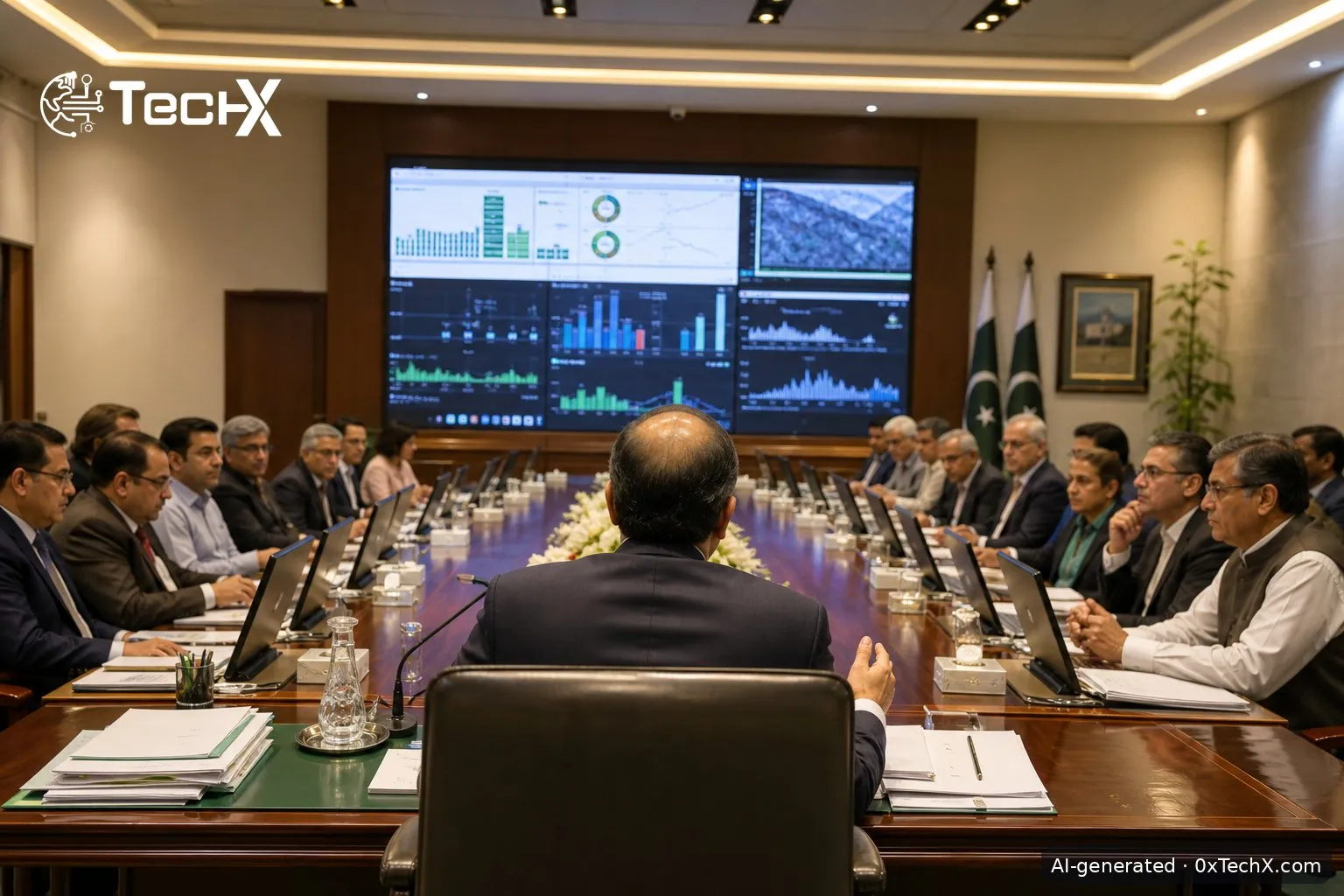
Prime Minister Shehbaz Sharif directed all relevant ministries on 28 October 2026 to finish their required tasks under the Pakistan-Alibaba partnership by November and submit written progress reports. During a review meeting in Islamabad, he examined various schemes ranging from AI-based cancer detection to digital fruit export platforms and fuel supply chain analytics.
An initial memorandum of understanding was signed with Alibaba Group at its Hangzhou headquarters during the prime minister trip to China, framing artificial intelligence and digitisation as key elements for national development. Implementation has varied, with certain systems already operational while others remain in development or pilot phases, prompting the formal review.
The prime minister emphasised that modern technology and artificial intelligence are necessary for better trade, exports, agricultural output, business support, and public services. He demanded clear targets, timelines, and monitoring for every initiative.
What the Alibaba AI projects actually cover
The partnership encompasses a wide variety of initiatives across health, agriculture, commerce, and taxation.
Digital exports and SME access
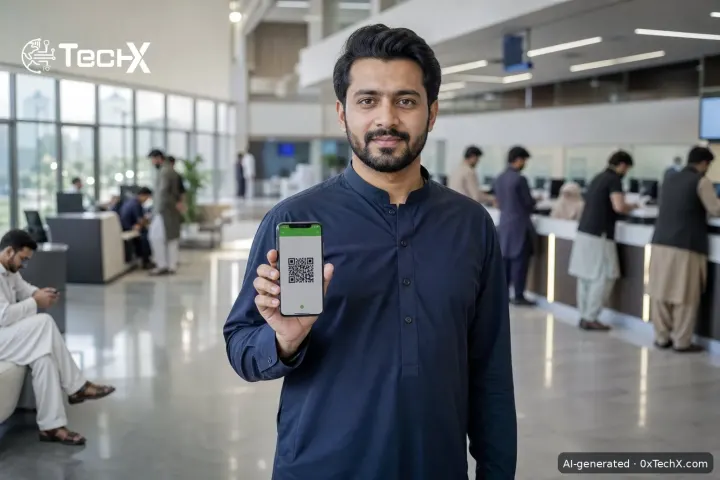
Agreements from the Hangzhou visit include digital support for at least 2,000 Pakistani small and medium enterprises entering global markets. A two-year programme involving the Small and Medium Enterprises Development Authority and Alibaba is starting to connect small businesses with international trade opportunities.
Officials reviewed a dedicated Pakistan Pavilion on the Alibaba platform, along with digital systems for exporting local citrus and olive goods. A trade document verification system operates currently through Pakistan Single Window.
AI in health and cancer detection
The prime minister instructed authorities to speed up an AI-assisted cancer detection system developed alongside Alibaba Group. This proposed pilot aims to reduce diagnostic delays in public hospitals.
Fuel supply chain monitoring with OGRA
The Oil and Gas Regulatory Authority received instructions to set up an analytics system with Alibaba to track petroleum supply chains using business intelligence tools, aiming to address supply leakages and fuel adulteration.
Agriculture, tobacco and farming automation
The session covered agricultural models based on artificial intelligence, tobacco track and trace technology, and digital export platforms for citrus and olives. The prime minister supported agricultural modernisation and exports to China.
FBR data hub and AI training for graduates
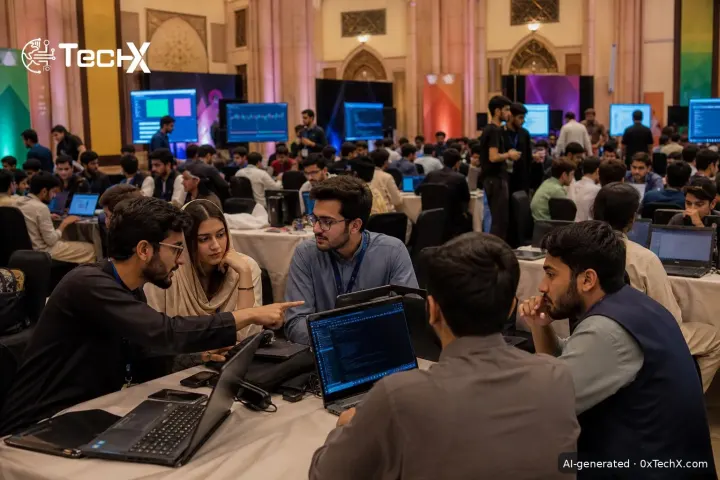
Progress on a central data hub for the Federal Board of Revenue and Pakistan Revenue Automation was evaluated to aid tax collection and curb fraud. The prime minister also told authorities to advance a 15-day AI training scheme for IT graduates through the Ministry of Information Technology Ignite programme and Alibaba.
The bigger picture for Pakistan
This cooperation broadens technology links with China beyond energy and transport infrastructure. Digitising trade channels and granting small businesses access to Alibaba creates a structural change for export channels traditionally dominated by textiles, provided deadlines are met.
Frequently Asked Questions
What is the November deadline about?
Prime Minister Shehbaz Sharif instructed relevant ministries to finish required steps under the Alibaba partnership by November 2026 and provide written progress reports.
Which sectors do the Alibaba AI projects cover?
The initiatives address SME e-commerce, AI cancer detection, OGRA fuel supply monitoring, agricultural export platforms, an FBR data hub, and IT graduate training.
Are any of these projects already working?
A digital trade document verification system is currently active through Pakistan Single Window, while other projects remain in development.
How does this affect Pakistani SMEs?
A two-year joint programme between SMEDA and Alibaba seeks to help at least 2,000 small and medium businesses reach global markets through e-commerce and a dedicated Pakistan Pavilion.