Kemi Badenoch Challenges European Union Integration at CBI Annual Rally
Conservative leader Kemi Badenoch is set to deliver a major speech today challenging the political direction of the administration. Speaking to business leaders gathered at the CBI annual rally, she will argue that pursuing closer ties with the European Union is not the most effective path forward for the national economy. Top bosses in attendance will be urged to look beyond traditional European markets and consider alternative global economic powerhouses.
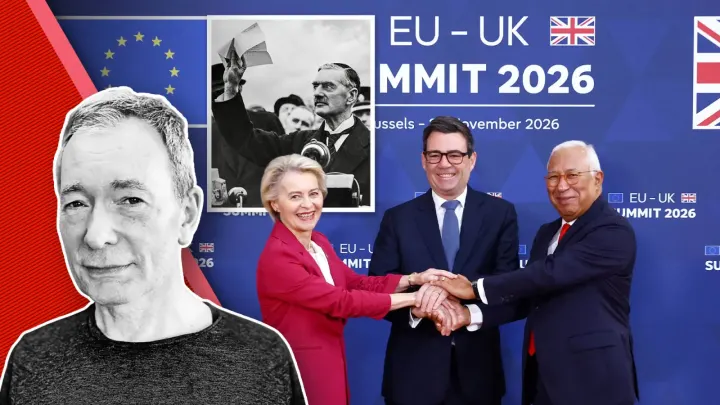
This intervention follows recent political developments in Brussels, where leadership engaged in high-profile discussions last week. The administration outlined plans for a comprehensive brainstorming session with European Union officials scheduled over the coming twelve months. While political figures maintain that manifesto boundaries prevent moves toward the single market, customs union, or freedom of movement for the near future, debates regarding long-term alignment continue to shape national politics.
Why Conservative Leadership Rejects the European Union as the Market of the Future
The core of the upcoming address focuses on shifting global economic realities and trade priorities. Business figures will be told that the European Union is not the market of the future. The Conservative leader plans to question the wisdom of binding national economic policy to regional partners when other global regions demonstrate vastly different growth trajectories. Questions will be raised about the opportunity cost of trade integration with slow-growth neighbors.
Specific comparisons will be drawn during the address to illustrate changing global dynamics. The Tory chief will present examples of huge growth in countries such as India compared to low growth in France and Germany. Draft excerpts from the speech emphasize the long-term view of international trade. If things carry on like this the world is going to look very different in 30 years than to what it does today. The central question posed to the audience asks whether it is worth locking yourself into one market if it locks you out of another.
Understanding the Context of CBI Annual Rally Debates
The Confederation of British Industry annual rally serves as a primary venue for political figures to pitch economic strategies to corporate leaders. Business executives gather at this event to hear competing visions from the government and the opposition regarding taxation, regulation, and international trade agreements. Speeches delivered at this conference often set the tone for legislative debates in Parliament and influence commercial investment decisions across various sectors.
Trade policy has remained a central point of contention since the United Kingdom exited the European Union single market and customs union. While current leadership has ruled out returning to the single market or restoring freedom of movement for the duration of the current parliamentary term, critics remain watchful of future policy shifts. Opposition figures frequently scrutinize diplomatic engagements with European counterparts, arguing that any drift back toward regulatory alignment compromises national sovereignty and global trade independence.
Labor Manifesto Commitments and Long-Term European Union Relations
Current governance is formally guided by electoral promises made prior to the general election. While broader cooperation is being explored through upcoming dialogue sessions in Brussels, specific red lines remain in place. Leadership is bound by Labour manifesto commitments for the next few years at least, meaning formal integration steps like joining the single market or customs union are not currently pursued.
However, political analysts and opposition politicians continue to speculate about future policy directions beyond the current parliamentary term. Uncertainty persists regarding what might appear in subsequent manifestos as economic pressures evolve. This ongoing debate provides the backdrop for the Conservative critique, as the opposition attempts to position itself as the true defender of independent global trade and alternative market diversification.
Cabinet Minister Louise Haugh Calls for Public Control of Utilities
Alongside the debate over international trade, economic policy discussions at the CBI event feature domestic infrastructure debates. Cabinet Minister Louise Haugh will today call for greater public control of utilities, specifically targeting the energy, gas, and water sectors. Industry chiefs listening to the address will be assured that this shift toward increased public oversight will not be anti-business, attempting to balance state intervention with commercial stability.
The announcement immediately drew a sharp response from the political opposition. Conservative representatives seized on these comments last night, arguing that nationalisation is not the magic wand to fix the country's problems. This domestic dispute over utility ownership highlights deeper ideological divisions regarding the role of the state in managing essential public services and infrastructure networks.
Economic Impact on Businesses and Future Policy Watchpoints
Businesses operating across the country face a complex regulatory and trade environment as these competing visions unfold. Companies engaged in international export must evaluate the practical implications of shifting trade strategies toward emerging markets like India versus maintaining close regulatory alignment with nearby European nations. Uncertainty surrounding utility regulation also introduces planning considerations for major infrastructure and energy providers.
Observers and market participants will monitor the outcomes of the upcoming dialogues with Brussels over the next twelve months to gauge the depth of future cooperation. At the same time, corporate leaders attending the CBI rally must weigh the arguments presented by both political factions regarding global market access, regulatory independence, and domestic utility management. The ongoing discourse highlights the delicate balance required as the nation defines its long-term economic strategy on the international stage.