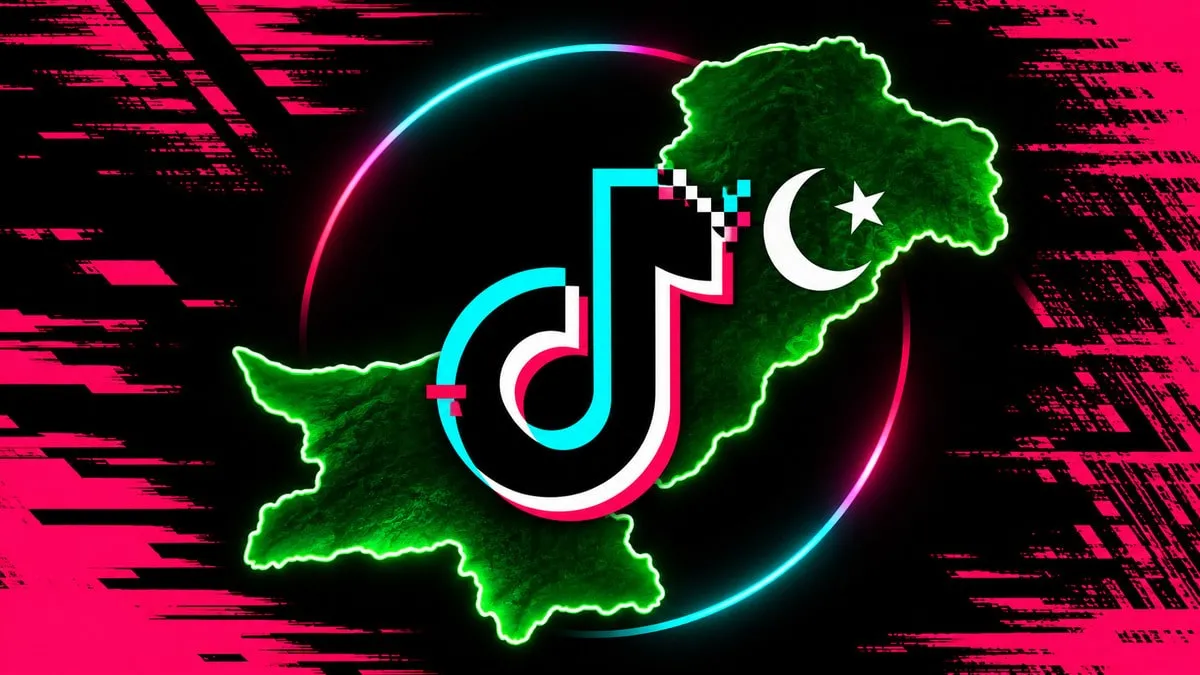
The Pakistan Telecommunication Authority (PTA) has clarified that a notification circulating on social media about an immediate ban on TikTok in Pakistan is fake.
In an official statement issued on Thursday, November 5, 2026, the telecom regulator confirmed that it had not issued any notification announcing a ban on the popular video-sharing platform.
The clarification comes after a document bearing PTA's name and logo circulated on social media, claiming that the authority had decided to block TikTok across Pakistan with immediate effect.
What the Fake Notice Said About a TikTok Ban
The counterfeit press release, dated November 4, claimed that PTA had decided to ban TikTok following a review of the platform's content and its potential risks.
The document cited national security, public order, and the protection of children and young people as reasons for the alleged decision.
It also claimed that TikTok was being used to spread immoral, indecent, and harmful content that violated Pakistan's cultural and social values.
Furthermore, the fake notification alleged that the platform had a negative influence on younger users.
According to the fabricated document, all internet service providers (ISPs) had been directed to block TikTok nationwide with immediate effect.
PTA has rejected the notification and confirmed that the claims are false and misleading.
Why the Rumor Spread Quickly
Pakistan has a history of temporary bans on social media and video platforms, most notably the 2020 TikTok suspension that lasted several weeks after a court order. Those past actions created a context in which users are quick to believe new ban rumors.
Social media platforms amplify unverified claims because they are shared in private groups, forwarded as screenshots, and presented as official documents. The fake notice used PTA's logo and a formal layout, which gave it an air of legitimacy.
In addition, recent public debates over online safety, child protection, and the spread of extremist content have heightened sensitivity to any regulatory move that appears to target popular apps.
PTA's Official Response on November 5
In its November 5 clarification, PTA urged citizens not to believe or share unverified information circulating on social media.
The authority advised the public to rely only on announcements published through its official website and verified social media platforms.
PTA's clarification confirms that the viral document is not an official notification and that the authority has not announced the TikTok ban described in it.
How the Regulator Handles Platform Restrictions
Under the Pakistan Telecommunication (Re-organization) Act 1996, PTA has the power to issue directives to ISPs when content is deemed a threat to national security or public order. Any such directive must be published in the official Gazette and on PTA's website.
When a legitimate ban is considered, PTA conducts a review that includes technical analysis of content, consultations with ministries, and a legal assessment of constitutional rights. The process can take weeks, and the final order is typically accompanied by a public notice that specifies the scope and duration of the block.
Impact on Users and Businesses
Even a rumor of a ban can cause panic among creators who earn income through TikTok, as well as among advertisers who target the platform's large youth audience. Small businesses that use TikTok for product demos may pause campaigns until the situation is clarified.
For ordinary users, the spread of false information can lead to unnecessary device changes, VPN usage, or loss of access to saved videos. It also fuels distrust in official communications, making future genuine alerts harder to act upon.
What the Public Should Do Next
PTA advises anyone who encounters similar documents to check the PTA website (www.pta.gov.pk) or its verified Twitter and Facebook accounts. The regulator also provides a hotline for reporting misinformation.
Users should avoid forwarding screenshots without verifying the source, and they should delete any files that claim to be official notices until authenticity can be confirmed.
Media outlets are encouraged to cross-check with PTA's press office before publishing stories about regulatory actions.
Broader Context: Online Content Regulation in Pakistan
Pakistan's digital policy framework includes the Prevention of Electronic Crimes Act 2016, which criminalises the distribution of obscene material and the incitement of violence online. The law gives agencies like PTA and the Federal Investigation Agency (FIA) tools to act against platforms that fail to remove illegal content.
In recent years, the government has launched the "Digital Pakistan" initiative, aiming to expand broadband access while also strengthening content monitoring. Balancing growth with safety remains a challenge, and public perception is often shaped by high-profile incidents such as the 2022 removal of a controversial music video from YouTube.
Key Takeaways for Readers
1. The TikTok ban notice circulating on November 4 is fake; PTA has not issued any such order.
2. Official PTA communications are only posted on its website and verified social-media handles.
3. Users should verify any regulatory claim before sharing or acting on it.
4. False notices can disrupt creators, advertisers, and everyday users, underscoring the need for media literacy.