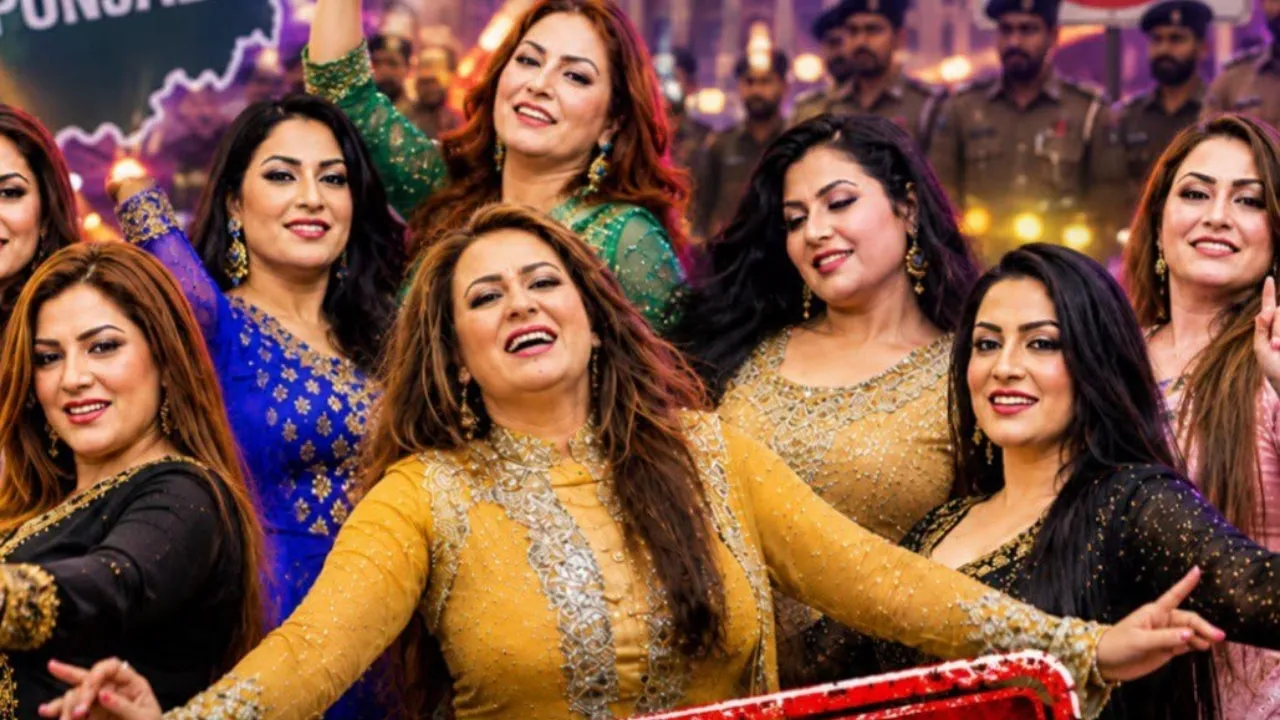
Punjab Council of the Arts Bans 50 More Punjabi Songs
The Punjab Council of the Arts has decided to ban another 50 Punjabi songs from theatrical performances as part of its ongoing theater reform measures. This regulatory step expands on previous restrictions implemented by cultural authorities in the region. The latest decision follows reports submitted by monitoring teams and complaints about lyrics and performances considered inappropriate, vulgar or suggestive of double meanings.
Cultural oversight in the region has intensified as authorities attempt to reshape public entertainment standards. Monitoring teams patrol various venues, recording performances and evaluating lyrical content against established codes of conduct. The complaints received by the council highlight persistent concerns regarding the direction of commercial stage productions.
Previous Restrictions and Total Prohibited Songs
A ban on 135 songs is already in place across the province. The additional restrictions will bring the number of prohibited songs to 185 once implemented. This cumulative total reflects a sustained effort by regulatory bodies to scrub stage shows of material deemed unsuitable for general audiences.
Theater owners and performers must maintain updated lists of approved and prohibited material to avoid penalties. The expansion of the restricted list indicates that monitoring committees continue to find fault with a significant portion of current stage repertoires.
Goals of Theater Reform Measures in Punjab
The move forms part of efforts to improve the quality of theater productions and tighten oversight of stage performances across Punjab. Regulatory authorities argue that commercial theater has drifted away from traditional artistic values toward sensationalism. By enforcing stricter guidelines, the government hopes to restore a perceived wholesome atmosphere to local entertainment venues.
Monitoring committees will oversee compliance with the province's stricter theater regulations. Artists will remain free to perform other approved songs, meaning the restrictions target specific tracks rather than Punjabi music as a whole. Performers retain the right to use non-prohibited tracks in their dance and musical routines.
Impact on Artists and Stage Performers
Stage actors, singers, and dancers face a shrinking catalog of acceptable musical numbers for their live acts. While artists retain the right to perform other approved songs, the removal of 185 specific tracks limits creative choices during live shows. Producers and directors must carefully vet their setlists to ensure compliance with the ongoing crackdowns.
Failure to comply with the directives can lead to severe administrative penalties, fines, or the suspension of theater licenses. Consequently, venue operators exercise extreme caution when scheduling acts, often demanding advance clearance for any new routines. This regulatory environment places a heavy administrative burden on local theater management teams.
New Provisions Under the Punjab Drama and Theatrical Act
Following approval of the Punjab Drama and Theatrical Act, theaters will also be allowed to use songs from films released under the import policy. This legislative update provides an alternative source of musical content for stage productions seeking fresh material. Producers can integrate imported cinematic tracks into their performances without violating local censorship rules, provided the songs meet regulatory standards.
The introduction of the Punjab Drama and Theatrical Act marks a formalization of industry standards. Legislative frameworks now dictate the boundaries of creative expression on stage, moving beyond temporary executive orders into codified law. Stakeholders in the entertainment sector continue to monitor how these legal mechanisms shape daily theatrical operations.
Background of Theater Regulation in Punjab
Stage theater in the region has long experienced friction between commercial imperatives and state censorship. Over the years, provincial authorities established various committees to review scripts, costumes, and musical arrangements before public exhibition. The current expansion of song bans represents the latest chapter in a decades-long effort to control the content of commercial stage shows.
Public debates frequently surround these interventions, balancing cultural preservation against freedom of expression. Supporters of the restrictions argue that state oversight protects community values, while critics contend that heavy-handed bans stifle creativity and harm the livelihoods of performers. Despite these debates, regulatory bodies maintain their mandate to enforce the newly expanded rules across all licensed venues.





