The Punjab Revenue Authority (PRA) has asked all hotels and restaurants in the province to install the electronic invoice monitoring system (EIMS) to ensure timely payment of taxes.
What Prompted the New Directive?
The directive was issued during a meeting with the Hotels and Restaurant Association on Friday. Participants discussed the installation of EIMS in the hotel industry and tax compliance.
Punjab's tax officials have been focusing on expanding the tax net for several years. Earlier in the fiscal year, the PRA launched a digital-first strategy that required larger commercial entities to adopt point-of-sale software linked to the provincial tax portal. The hotel and restaurant sector, however, remained partially outside that framework because many establishments still relied on handwritten or stand-alone receipt printers.
Why the Electronic Invoice Monitoring System Matters
The meeting focused on bringing the entire hotel industry into the tax net and broadening the tax base. Participants reviewed the installation process, technical requirements and challenges faced by hotels in implementing the system.
EIMS is a government-approved software that records every sale, generates a computerised receipt, and instantly transmits the transaction data to the PRA's central server. The system creates an immutable audit trail, making it easier for tax officers to verify that declared revenues match actual sales.
According to the PRA, the move will reduce the incidence of fake receipts, a practice that has long plagued the hospitality sector. Fake or manipulated receipts not only deprive the treasury of revenue but also create an uneven playing field for compliant businesses.
Official Statements and Legal Requirements
Association office-bearers assured the PRA of their full cooperation in initiatives to improve the tax system and promote digitalisation. PRA Chairperson Moazzam Iqbal Sipra said issuing computerised receipts to customers for services provided is a legal requirement.
He said that with the cooperation of the business community, the tax system could be made simpler, more transparent and more efficient. He added that expanding the tax net would encourage business activity and promote a culture of tax compliance.
He also warned that operators found involved in fraudulent practices in issuing electronic receipts would be closely monitored and face heavy penalties.
How the Directive Will Be Enforced
Yesterday, it was reported that the PRA will fast-track the registration of new businesses and the installation of its Electronic Invoice Monitoring System (E-IMS) across 14 designated sectors. Firms that issue fake receipts or tamper with records will face strict action.
He directed all Commissionerates to develop effective strategies for identifying new taxable services and bringing them into the tax net. Officers have been assigned specific E-IMS installation targets, and enforcement teams will be formed to increase registrations and installations.
He also ordered close monitoring of pending tax cases and timely recovery of outstanding dues. He asked chambers of commerce and trade associations to help speed up the integration of businesses with E-IMS.
Sipra said firms found issuing fake receipts or manipulating records, even with E-IMS installed, would face strict action and a tax surcharge.
Background: Tax Compliance in Punjab's Hospitality Sector
Punjab's hospitality industry contributes a sizable share of provincial revenue through sales tax, service tax and income tax. Historically, the sector has been vulnerable to under-reporting because many small and mid-size hotels operate on thin margins and lack sophisticated accounting systems.
In 2022, the PRA estimated that up to 30 % of restaurant receipts were not captured in the official tax ledger. The government responded with a series of awareness campaigns and a pilot rollout of E-IMS in Lahore's five-star hotels, which showed a 12 % increase in recorded sales within six months.
The success of the pilot encouraged the PRA to extend the requirement to all establishments, regardless of size, as part of its broader "Digital Punjab" agenda launched in 2023.
Explainer: How EIMS Works for Hotel and Restaurant Owners
1. Hardware Installation - A certified vendor installs a receipt printer that is compatible with the EIMS software. The device connects to the internet via Ethernet or cellular data.
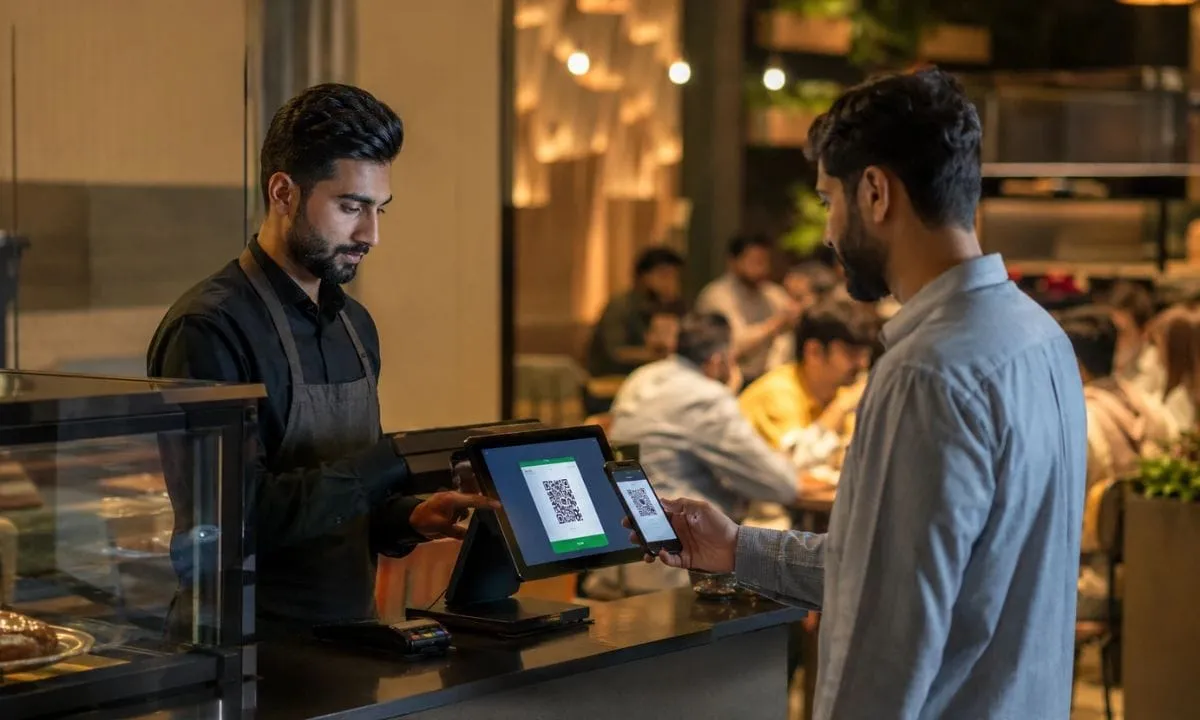
2. Software Configuration - The EIMS application is set up with the business's tax identification number (TIN) and menu items. Each sale triggers the generation of a digital receipt that includes a unique QR code.
3. Real-time Data Transmission - When a receipt is printed, the transaction data is automatically sent to the PRA's central server. The system logs the amount, time, and item details.
4. Audit and Reporting - Business owners can access a dashboard that summarises daily sales, tax liabilities and any discrepancies flagged by the system.
5. Compliance Checks - PRA auditors can retrieve transaction logs instantly, compare them with declared returns, and identify gaps.
Impact on Stakeholders
The directive affects a wide range of actors. Hotel owners will need to allocate budget for hardware, software licences and staff training. Small restaurants may face higher upfront costs, but the PRA has promised a fast-track registration process to reduce administrative delays.
Consumers stand to benefit from greater price transparency, as every receipt will now be verifiable through the government portal. For the provincial treasury, the expected outcome is a more accurate tax base and reduced revenue leakage.
What Comes Next: Timeline and Next Steps
The PRA has set a phased rollout schedule. All hotels and restaurants must complete EIMS installation within 90 days of the Friday meeting. Commissionerates will conduct spot inspections every two weeks to verify compliance.
Businesses that miss the deadline will be subject to a surcharge of 10 % on the unpaid tax amount, in addition to possible penalties for non-compliance. Enforcement teams will also be empowered to seize equipment that is used to produce fraudulent receipts.
Chambers of commerce and trade associations have been asked to act as liaisons, helping members navigate the technical requirements and submit the necessary registration documents.
While the PRA has not disclosed the exact number of establishments that have already complied, officials indicated that the fast-track registration line has processed over 2,000 applications since the announcement.
Practical Takeaways for Business Owners
- Contact a PRA-approved vendor immediately to schedule installation.
- Ensure your TIN is up to date in the provincial tax portal before the software is configured.
- Train front-desk staff on generating and verifying electronic receipts.
- Keep a backup of daily transaction logs in case of connectivity issues.
- Monitor the PRA's official communications for any changes to the enforcement timeline.
Broader Implications for Punjab's Digital Economy
By mandating EIMS across the hospitality sector, the PRA is reinforcing its commitment to a digitised fiscal environment. The move aligns with the provincial government's target to have 80 % of all taxable transactions recorded electronically by 2026.
Successful implementation could serve as a model for other sectors, such as construction, retail and transport, where receipt fraud remains a challenge. It also sends a clear signal to investors that Punjab is improving its tax administration, potentially enhancing the province's attractiveness for tourism-related investment.
In the coming months, the PRA will release periodic compliance reports, allowing the public to track progress and assess the impact on revenue collection.