Rawalpindi Traffic Police Launches Official Vehicle Fleet Inspections
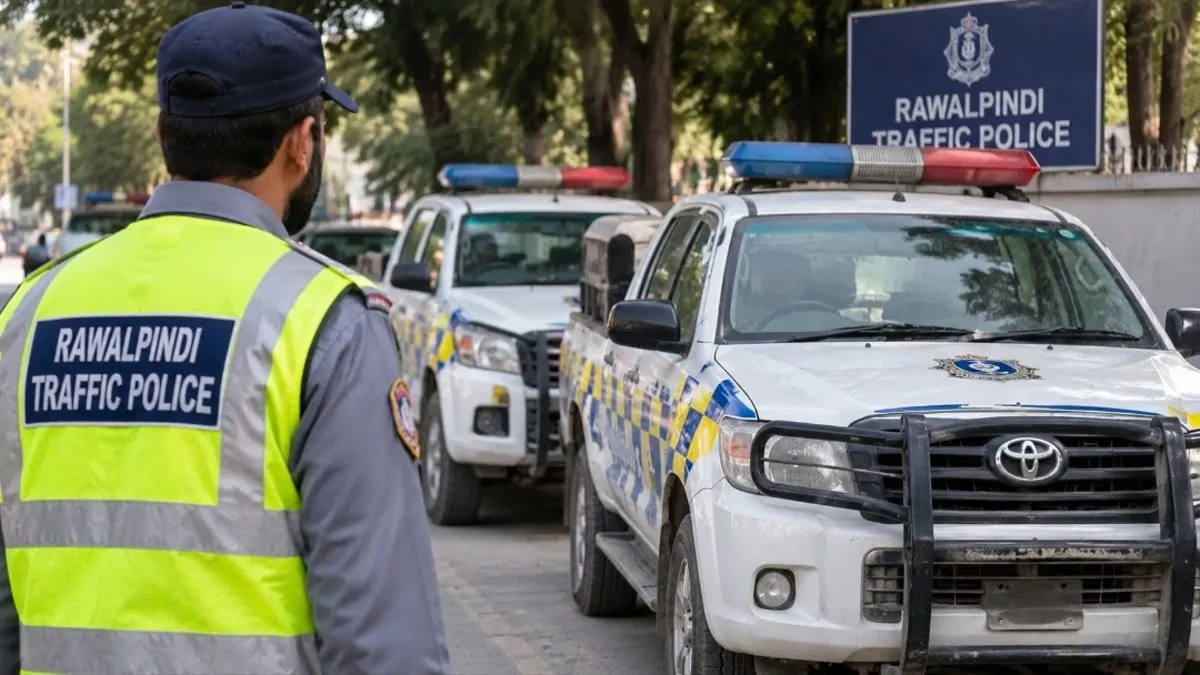
Rawalpindi Traffic Police has begun inspecting its official vehicles and will keep mechanically unfit units off the roads until they receive the necessary repairs. The department will also take action against drivers found negligent in maintaining government vehicles. This initiative marks a significant administrative push within the law enforcement agency to ensure that every automobile deployed for public service meets strict operational standards.
Maintaining a large municipal and regional traffic management fleet requires consistent oversight, preventative maintenance, and strict accountability structures. Government vehicles endure heavy daily usage, operating in congested urban corridors, handling highway patrols, and responding to emergency incidents across the district. By establishing a formal inspection protocol, the department aims to identify mechanical degradation before it leads to complete vehicular failure or creates safety hazards on busy public thoroughfares.
How the First Phase of Inspections Unfolded
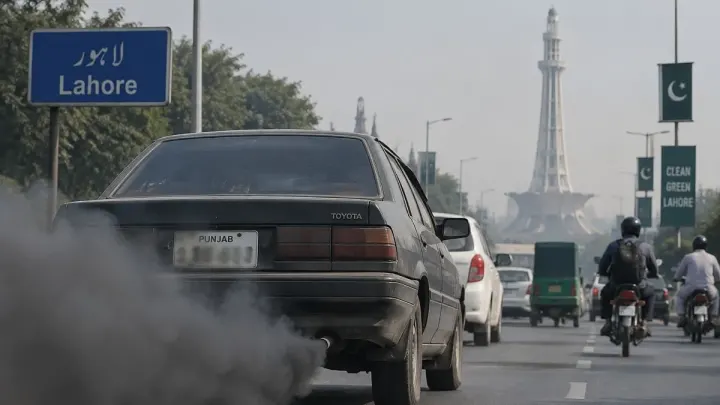
Chief Traffic Officer Farhan Aslam said the department inspected 15 vehicles in the first phase on Friday. Officials found three vehicles, including two forklifts, emitting smoke and in poor mechanical condition. Authorities immediately removed them from field duty to prevent further environmental pollution and mechanical strain.
The discovery of smoking engines and substandard mechanical components highlights the wear and tear common in municipal utility equipment. Forklifts and heavy support vehicles often operate under demanding conditions, lifting heavy loads and clearing obstructed roadways during traffic blockages or accidents. Ensuring these specific utility units remain in prime condition is essential for maintaining smooth traffic operations throughout the city.
Composition of the Rawalpindi Traffic Police Fleet
Rawalpindi Traffic Police operates a fleet of 45 vehicles and 550 motorcycles used for traffic management and VVIP security duties. The department will inspect the remaining vehicles in the coming days. Managing a diverse fleet of this scale requires logistical planning, dedicated maintenance personnel, and scheduled servicing intervals.
The heavy reliance on two-wheelers for daily patrols means that motorcycles form the backbone of rapid response units deployed across intersections and arterial roads. Meanwhile, four-wheelers provide crucial support for transporting personnel, managing large-scale events, and securing routes for high-ranking dignitaries during VVIP movements. Every vehicle type within the inventory plays a distinct role in keeping the urban transport network functioning smoothly.
Specific Mechanical Systems Checked During Inspections
During the inspection, officials also checked engine oil, mechanical and electrical systems, and the overall condition of the vehicles. The CTO directed staff to arrange necessary repairs and ensure regular maintenance. Checking engine oil levels and fluid quality prevents premature engine seizure and reduces harmful exhaust emissions.
Electrical system evaluations ensure that emergency lights, sirens, communication radios, and headlights function without interruption during critical operations. Mechanical checks focus on braking systems, suspension components, steering responsiveness, and tire tread depth. Addressing these areas protects both the officers operating the machinery and the general public sharing the road.
Accountability and Driver Responsibilities for Government Property
Beyond mechanical assessments, the department maintains a strong focus on operator accountability. Authorities will take disciplinary measures against drivers found negligent in maintaining government vehicles. Assigning direct responsibility encourages personnel to report minor mechanical issues early, preventing small faults from developing into costly structural failures.
Routine pre-trip inspections by individual drivers form the first line of defense in fleet management. When operators treat departmental assets with the same care as private property, the overall lifespan of the machinery increases significantly. This culture of care reduces repair budgets and ensures maximum vehicle availability for daily deployment.
What to Watch for as Inspections Continue
The department will continue checking the remaining portion of its 45 vehicles and 550 motorcycles over the coming days. Observers and citizens should watch for announcements regarding the completion of the fleet-wide audit and the subsequent redeployment of repaired units. Ensuring transparency in municipal equipment management reinforces public trust in local law enforcement agencies.
Future updates from the traffic headquarters will likely detail the full extent of repairs completed and the implementation of permanent servicing schedules. Maintaining rigorous standards for official transport sets a positive example for commercial and private vehicle owners across the region regarding road safety and environmental compliance.